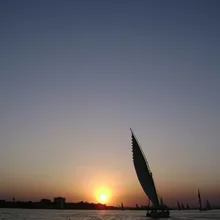
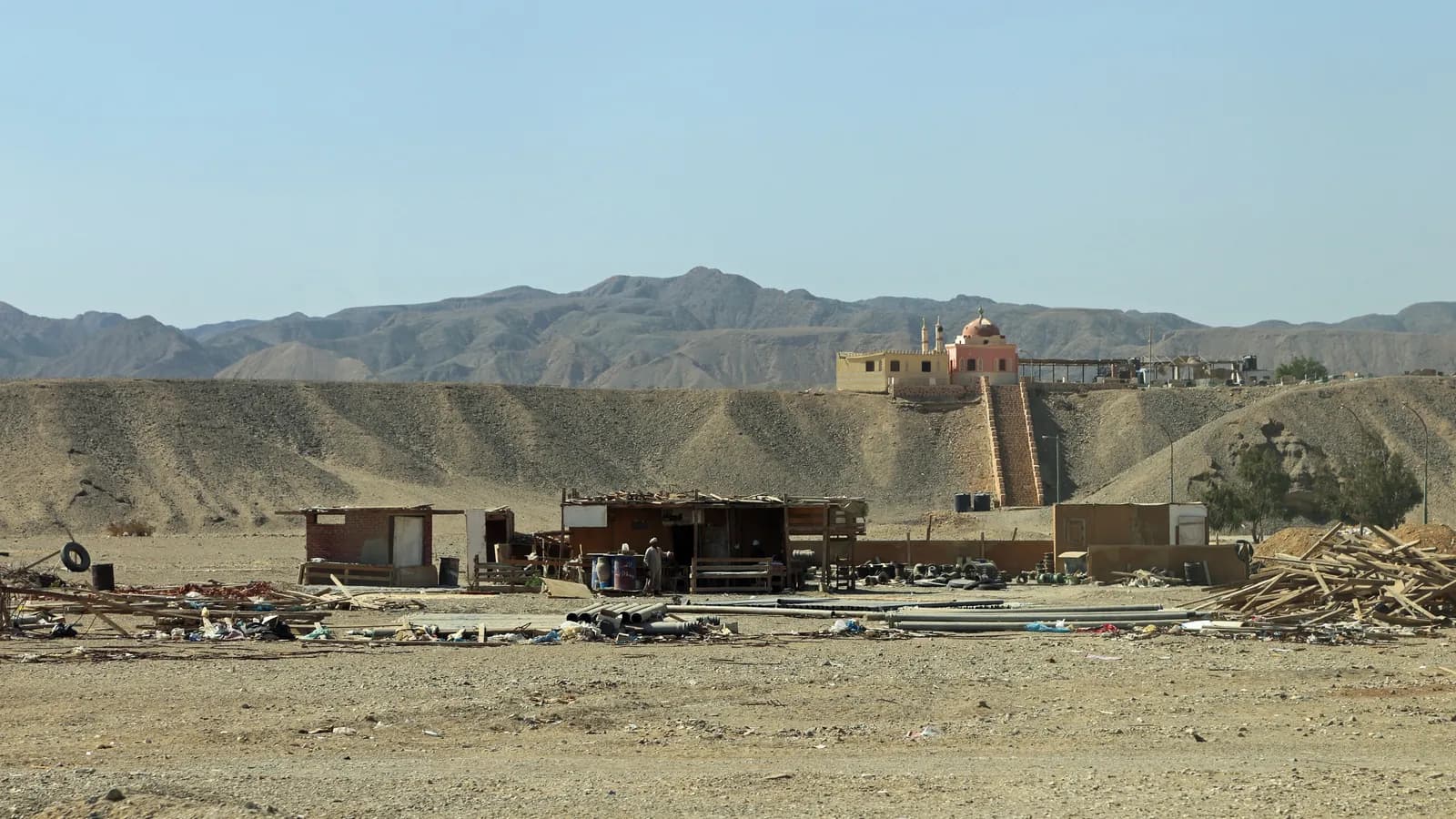
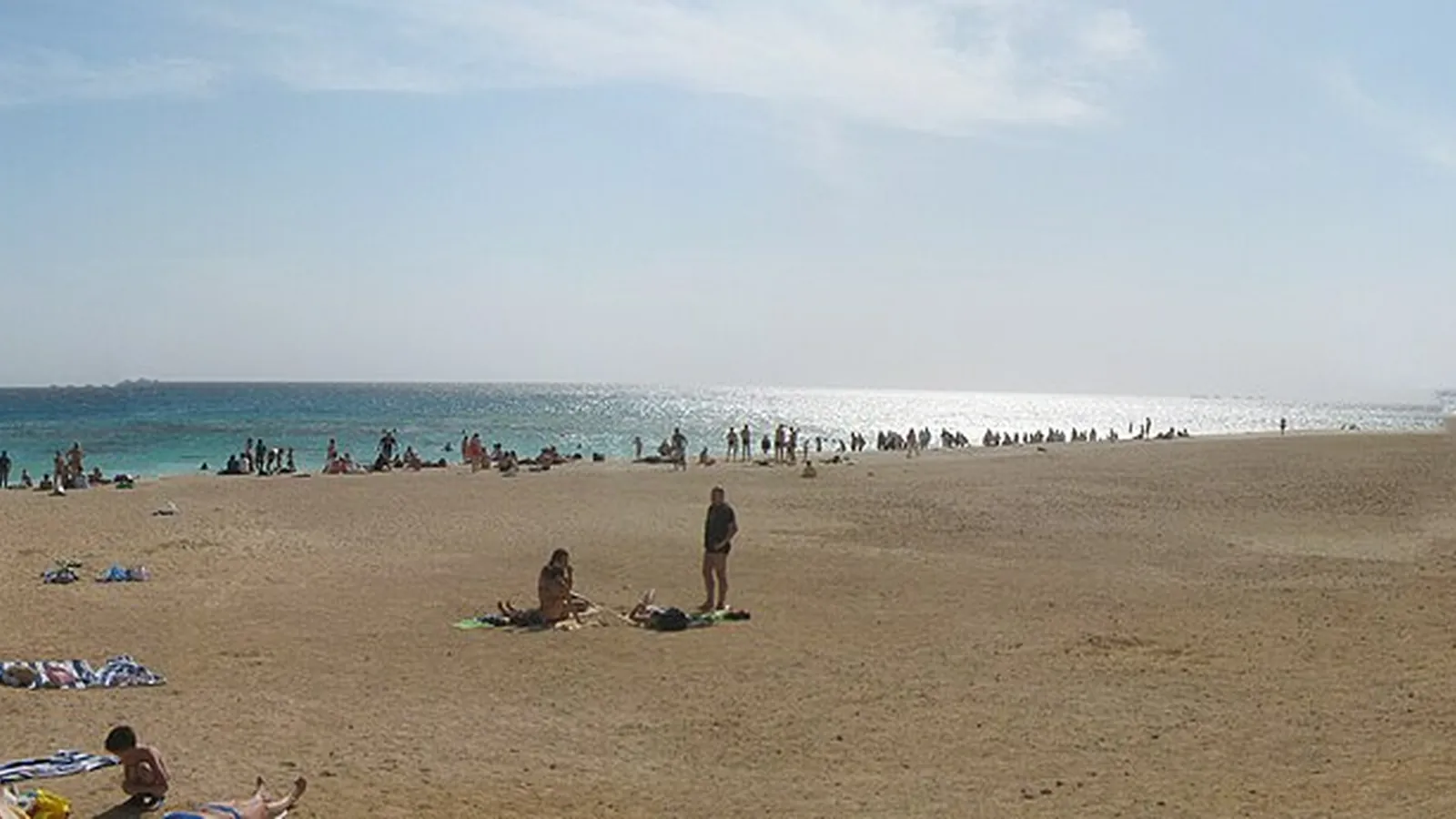
 Photo by Marc Ryckaert (MJJR), via Wikimedia Commons, CC BY 3.0
El Quseir: Historic Red Sea Port and Quiet Dive Base
El Quseir is a small Red Sea town between Hurghada and Marsa Alam with an Ottoman fortress, an old coral-stone town, and quiet house reefs. Here's what it's like, who it suits, and how to get there.
Quick answer: El Quseir (also spelled Al-Qusair or El Qoseir) is a small port town on Egypt's Red Sea coast that most visitors pass on the way to somewhere busier. It sits roughly halfway between Hurghada and Marsa Alam, about 138 km south of Hurghada and around 130 km north of Marsa Alam. The town has a population of about 50,000 today, up from roughly 20,000 in the 1980s, yet it still feels quiet. What sets it apart from the big resort strips is that it kept its old town, its Ottoman fortress, and a long history as a trading and pilgrimage port. If you want a calm base with some genuine heritage and easy access to healthy reefs, this is a different kind of Red Sea trip from Hurghada.
Where El Quseir is
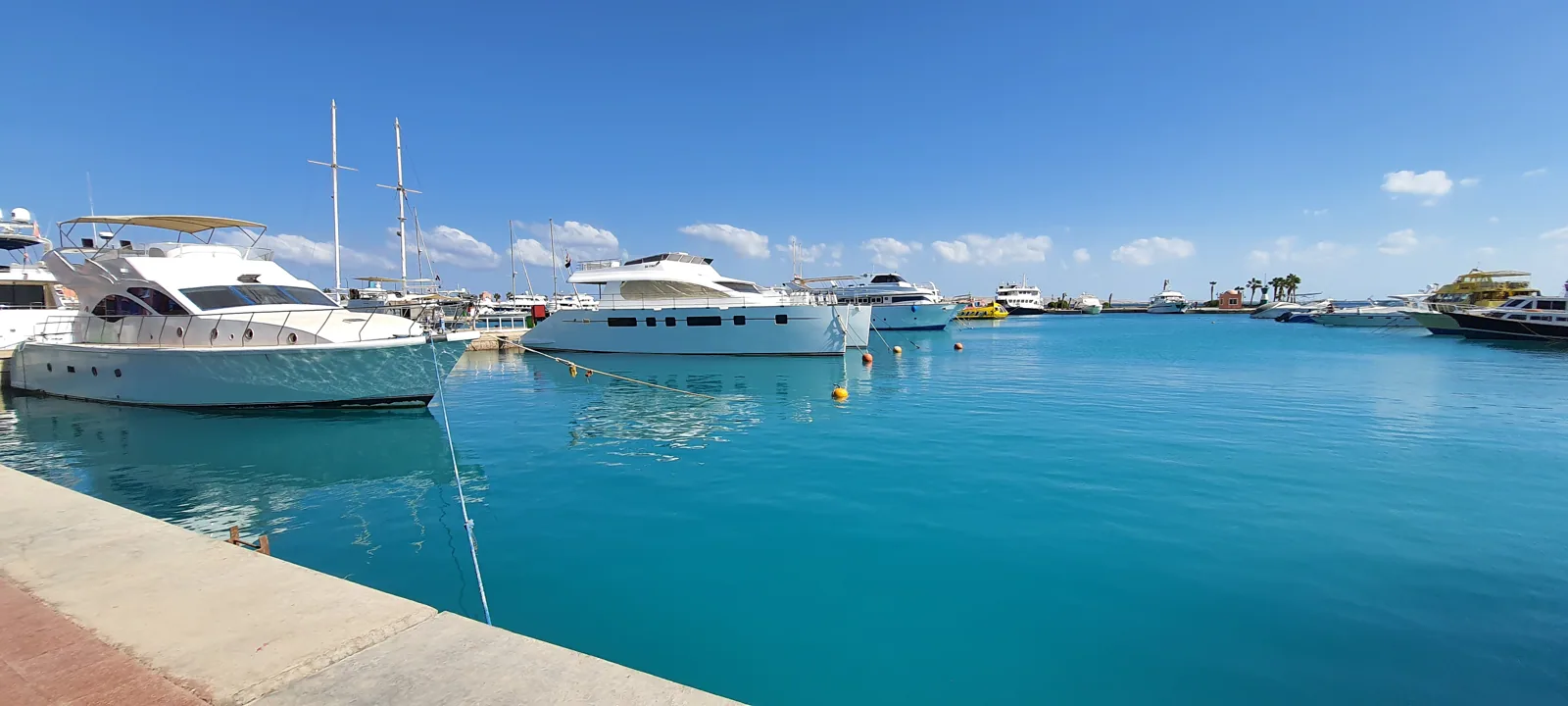
El Quseir lies on the Red Sea coast between two tourist hubs. It is about 138 km south of Hurghada, around 130 km north of Marsa Alam town, and roughly 68 km north of Marsa Alam International Airport. That middle position is the practical thing to understand: you can reach it from either airport, and it works as a quieter alternative to staying in Hurghada itself. The town wraps around a small harbour, with the older streets sitting between the port and the fortress.
The history: an ancient port
El Quseir has been inhabited for close to 5,000 years, and for most of that time it earned its keep as a harbour. Goods from the Far East, silk and spices, landed here and were carried by caravan across the desert to the Nile. In ancient Egyptian times the settlement was known as Tjau. Later, in the Ptolemaic era, the nearby ancient port was known as Myos Hormos, one of the more significant ports linking Egypt with India and the Arabian Peninsula. The town also sat at the end of the Wadi Hammamat route, the desert road connecting the Red Sea with the Nile Valley.
The name itself tells part of the story. "El Qusier" means roughly "the short" in Arabic, and the town likely earned it because the port let inland pilgrims make the shortest possible crossing from the Nile valley to Mecca. Archaeologists place the ancient harbour at nearby Quseir al-Qadim. University of Southampton excavations from 1999 to 2003 followed the identification of Quseir al-Qadim as Myos Hormos rather than a minor port as previously thought. The Roman harbour there was in use between the 1st century BC and the 3rd century AD, in a now-silted lagoon, and the site was occupied again in the 12th century.
The Ottoman fortress
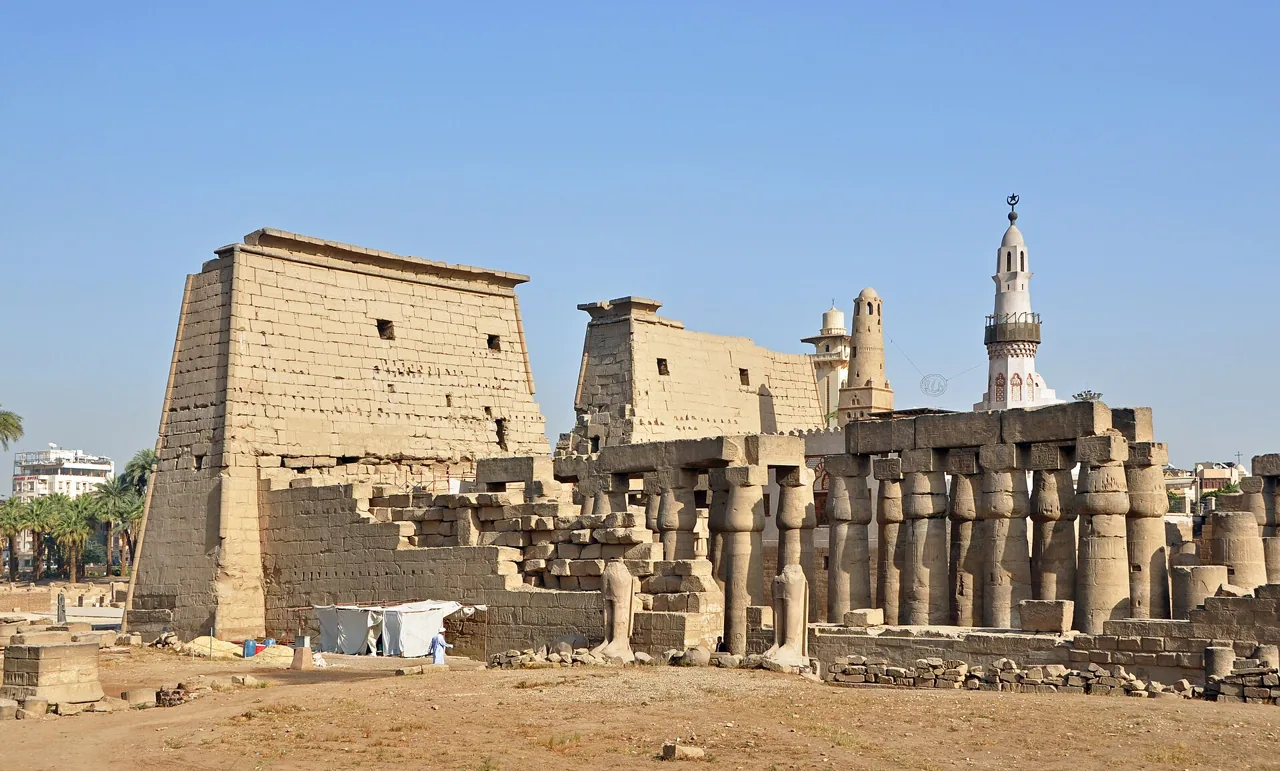
The most visible piece of history in town is the Fortress of Sultan Selim. The oldest part of El Quseir lies between the port and this fortress, built during the 16th century when the town was a place of real strategic importance. The castle was constructed in 1571 under Sultan Selim II to defend against invasions and to control the port's access to Mecca, part of the wider Ottoman effort to dominate Red Sea trade and logistics. It was later built up again to protect trade with India. The fort has been restored and now holds a visitors' centre with displays on local history, archaeology and culture, which makes it the natural first stop if you want the town's story in one place.
The town's fortunes turned in the 19th century. After the Ottoman period it was occupied first by Napoleon and then by the British as a key port. A rail line linking Suez with Alexandria opened in 1858, and then the Suez Canal opened in 1869, which took away El Quseir's role as a transhipment point. The decline was steep, with reports that around 90 percent of the population left. It was only in the 1990s that diving and tourism gave the town a new economic lifeline.
The old town
The old town is the part worth walking. It is a small grid of narrow streets with coral-stone houses, spice shops, traditional cafes, old fishing harbours, and the fortress looking out over the sea. It is low-key rather than a polished tourist attraction, and that is the appeal, since it feels like an actual working town rather than a resort built for visitors. An hour or two on foot covers most of it.
Diving and snorkelling
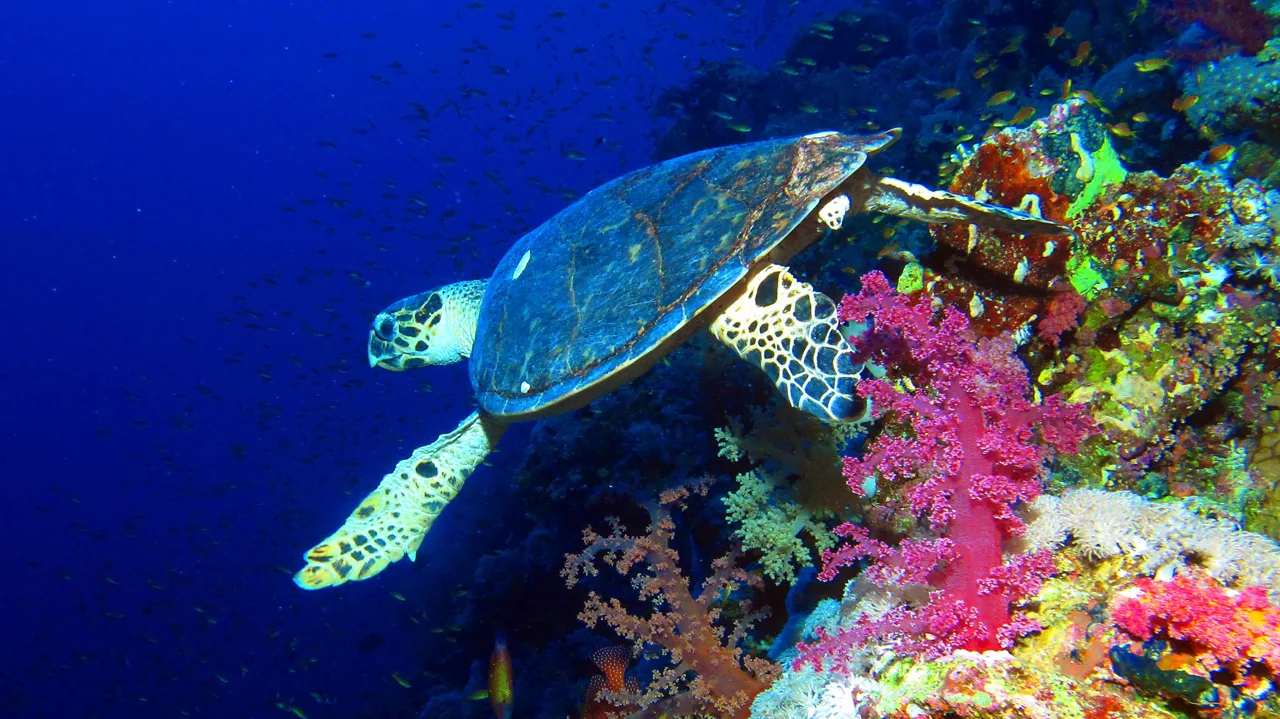
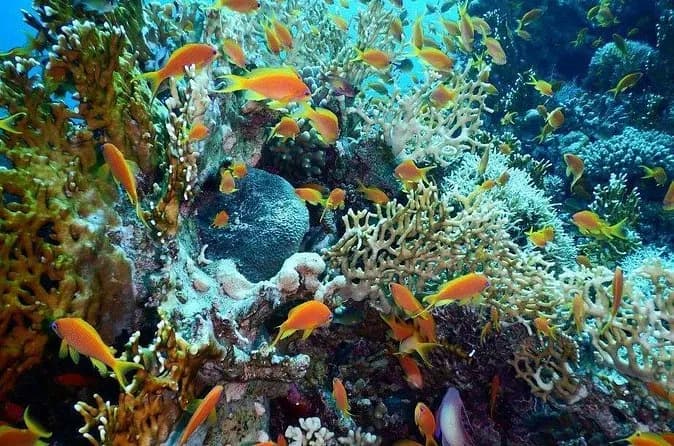
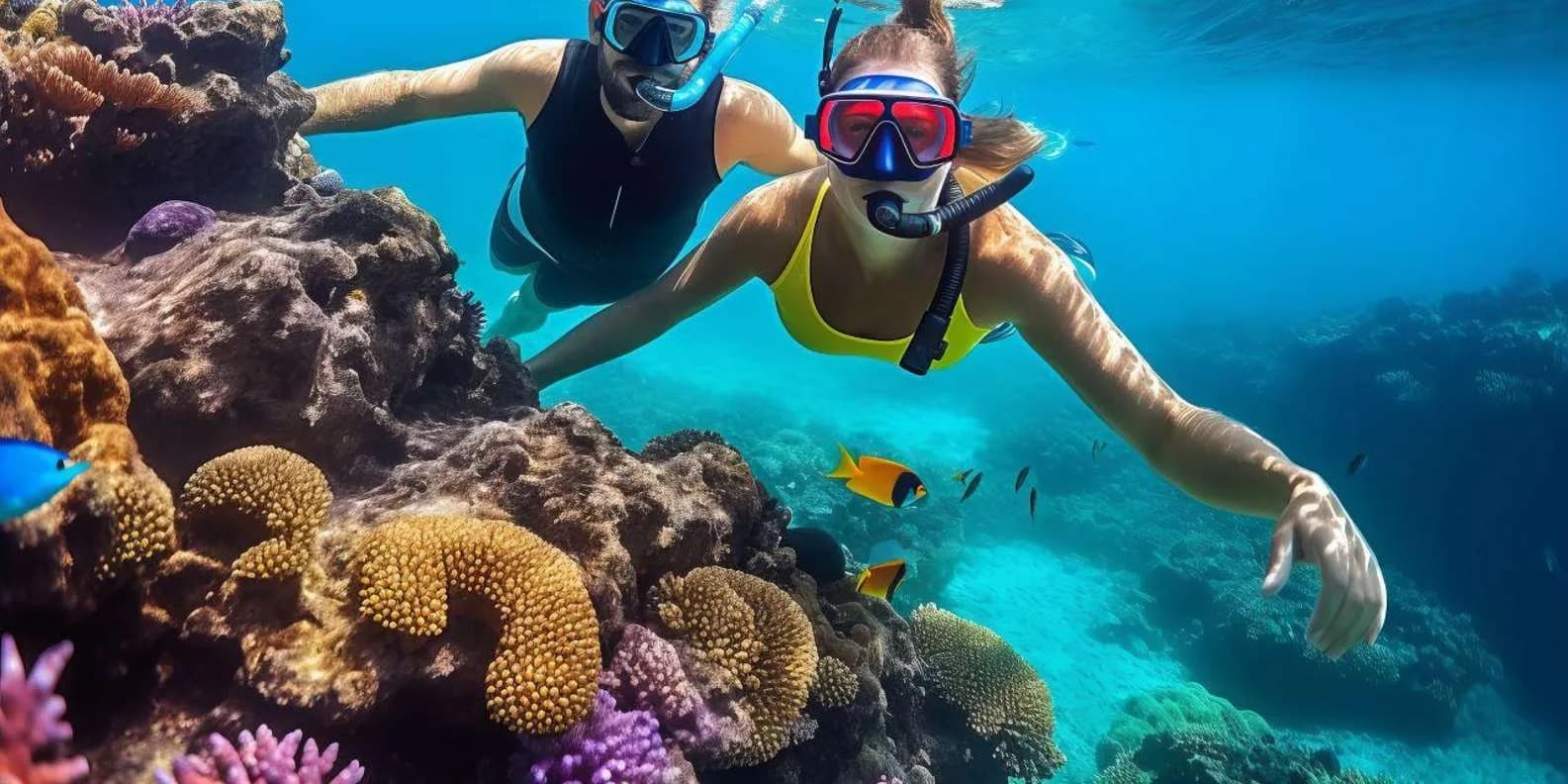
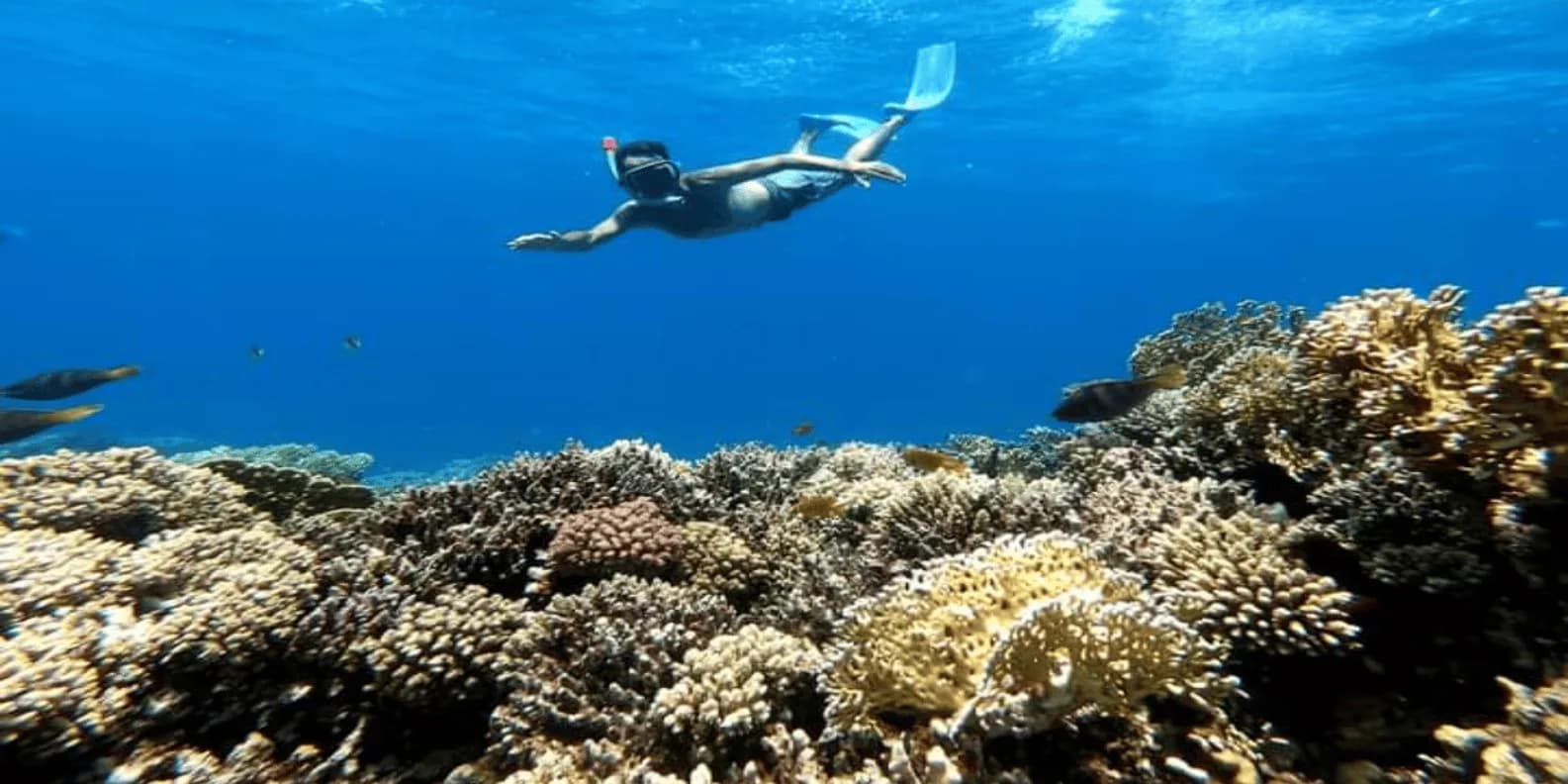
The main draw for water lovers is easy house-reef access straight off the beach. Several resorts have direct entry points where you swim a few metres from shore and are quickly among coral gardens and tropical fish. Reported marine life includes butterflyfish, angelfish, clownfish, parrotfish and groupers, with luckier divers seeing sea turtles, dolphins, reef sharks and rays. Visibility often reaches 30 metres or more, and the reefs here have stayed quieter and healthier than many more heavily developed areas. The house reef at the Movenpick Resort El Quseir is singled out by dive operators as one of the best in Egypt, easy to enter and good for snorkelling as well as diving. This is calm, unspoilt diving that suits experienced divers, underwater photographers and families who want easy, uncrowded water rather than a party scene.
Who it suits (and who it won't)
El Quseir suits people who want a quieter, more authentic Red Sea base than Hurghada, with beaches that are less crowded and resorts that lean toward eco-friendly tourism and marine conservation. It works well for couples, families and divers who value character and calm. It is not the place for nightlife or a lively resort scene. The resort strip here, which includes the Movenpick, Radisson Blu, Flamenco and Utopia, plus TUI MAGIC LIFE Kalawy nearby, is heavily marketed to German, Dutch, Russian, Italian and Spanish package and charter travellers, so expect an all-inclusive resort crowd rather than an independent-backpacker one. Be honest with yourself: if you want bars and clubs, look elsewhere; if you want quiet, this delivers it.
Hotels and costs
The resort names you'll see for 2026 include the Movenpick Resort El Quseir, a 5-star with 250 rooms built in a traditional Nubian village style of stone-clad, domed bungalows; the Radisson Blu Resort with 250 rooms and suites, two outdoor pools and a spa; plus Flamenco Beach and Resort, Utopia Beach Club, and the all-inclusive TUI MAGIC LIFE Kalawy in the wider Kalawy Bay area. On price, aggregator data for the Movenpick cites a typical night around 84 US dollars, with rates starting near 89 dollars and climbing toward roughly 143 dollars nightly (about 165 dollars with taxes and fees) for higher-demand March 2026 dates. Overall it reads as mid-range 5-star all-inclusive value, roughly 75 to 150 euros per room per night depending on season and board, and generally cheaper than equivalent Hurghada or Sharm properties. One caveat worth checking: some guests report that "all inclusive" excludes various extras, such as certain restaurant specials. Always verify rates and exactly what's included at booking.
Getting there
There are two gateway airports. Marsa Alam (RMF) is the closer one, roughly 75 km away with transfers of about an hour. Hurghada (HRG) is farther, roughly 140 km, with a road transfer of about 90 minutes to 2 hours. Private transfers from Marsa Alam start around 53 euros, though some routes quote a minimum closer to 74 US dollars; from Hurghada, informal taxis have been cited around 35 dollars but require bargaining, with fixed-rate private transfers costing more. The takeaway: fly into Marsa Alam if you can for the shorter, cheaper hour-long transfer. Confirm the current fare when you book.
Best time to go and day trips
The best months for warm, sunny weather are January, February, March, April, November and December, with late October to early April the most comfortable overall. Winter daytime temperatures sit between about 20 and 25 degrees Celsius, warm enough for diving and snorkelling with the sea still comfortable. June to September are the hottest and driest, with temperatures climbing to 40 degrees and above, best avoided if you're sensitive to heat. Rainfall is extremely rare, and because the sea stays warm year-round it markets as an all-year beach and dive destination. For days off the reef, the standout excursion is Mons Claudianus, a large Roman granite quarry in Wadi Hammamat where around 1,000 people lived from the 1st to 3rd centuries; the stone quarried there was used in the Roman Colosseum. Trips run by 4x4 jeep and usually leave your hotel around 5 am with a desert sunrise stop. You can also do Eastern Desert jeep and quad safaris with Bedouin camp visits and stargazing, old town walks, and boat, snorkelling and fishing trips along the coast.
A real team available 24/7 to assist you — free
Seif and the team reply on WhatsApp 24/7 — trip questions, custom plans and booking help.
Ask Seif on WhatsAppCommon questions
Where is El Quseir?
El Quseir is a port town on Egypt's Red Sea coast, positioned between the two main tourist hubs. It's about 138 km south of Hurghada, around 130 km north of Marsa Alam town, and roughly 68 km north of Marsa Alam International Airport.
What is El Quseir known for?
It's known for its history as an ancient trading and pilgrimage port, its 16th-century Ottoman fortress (the Fortress of Sultan Selim, built in 1571), an old town of coral-stone houses, and quiet, healthy house reefs for diving and snorkelling. The heritage and the calm are what set it apart from busier Red Sea resorts.
Is El Quseir good for diving and snorkelling?
Yes. Its main draw is easy house-reef access straight off the beach, with coral gardens, tropical fish, and visibility that often reaches 30 metres or more. The reefs are quieter and healthier than in more developed areas. The Movenpick Resort's house reef is rated by dive operators as one of the best in Egypt.
Is there much to do in El Quseir?
It's low-key. Beyond diving and snorkelling, you can walk the old town and visit the restored Ottoman fortress and its visitors' centre. Day trips include the Roman quarry at Mons Claudianus, Eastern Desert jeep and quad safaris with Bedouin camps, and boat, snorkelling and fishing excursions. It's not a place for nightlife.
How do I get to El Quseir and what's the nearest airport?
The nearest airport is Marsa Alam (RMF), roughly 75 km away with a transfer of about an hour. Hurghada (HRG) is the other gateway, roughly 140 km away with a road transfer of about 90 minutes to two hours. Fly into Marsa Alam for the shorter, cheaper transfer if you can.
Is El Quseir quiet?
Yes, and that's the point of coming here. It's a calm, authentic alternative to Hurghada, with less crowded beaches and resorts that lean toward eco-friendly tourism. If you want bars and clubs, it's not the right base; if you want quiet, it delivers.
When is the best time to visit El Quseir?
The best months for warm, sunny weather are November through April, with late October to early April the most comfortable overall. Winter daytime temperatures run about 20 to 25 degrees Celsius. June to September are very hot, reaching 40 degrees and above, so heat-sensitive travellers should avoid the peak of summer.
Book it on This is Egypt
Turn this guide into a trip



Egypt's bestsellers
The experiences travelers book most, across the country


Keep reading
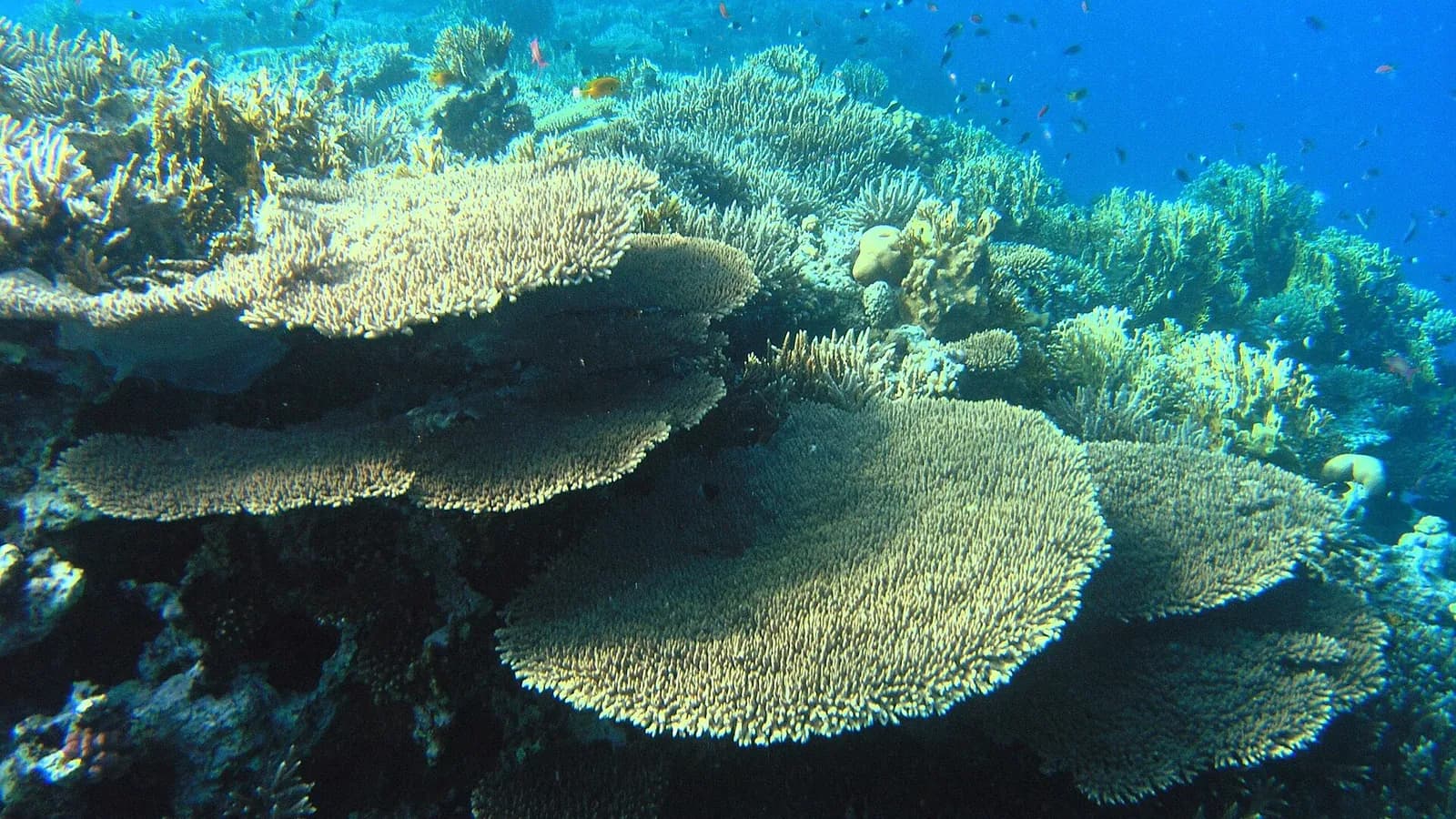
Hurghada Diving (2026): Best Sites, Packages & Prices
Diving in Hurghada — the best reefs (Giftun, Careless Reef, Dolphin House) and Abu Nuhas wrecks, Discover Scuba vs PADI courses, season and water temps, and real 2026 prices.
By TiE Editors7 min read
Hurghada Snorkeling Trips (2026): Best Reefs, Prices & How to Choose
Where to snorkel from Hurghada in 2026 — Orange Bay, Giftun, Mahmya, Utopia and Dolphin House — with boat types, marine life, month-by-month sea temperatures, family tips and real prices from 1,000+ bookable trips.
By TiE Editors7 min read
Egypt Tour Prices by Activity (2026): What Each Type Really Costs
What every type of Egypt experience costs — half day, full day or overnight — as a median and a mid-half range in US dollars, from 12,370 live bookable listings.
By TiE Editors6 min read