Egypt Photography Guide: Best Spots, Light & Rules
Where to shoot Egypt's best light, from Giza's sunrise panorama to Karnak by night and the White Desert's chalk towers, plus camera fees, tomb rules and drone laws.
Quick answer: Egypt rewards photographers like almost nowhere else on earth. Sun-bleached limestone, a river that turns bronze at dusk, medieval alleys thick with lantern light, and a desert so pale it looks lunar — the country hands you drama without much effort. But timing, permits, and a few hard rules separate a frustrating trip from a portfolio-building one. This guide walks through the best locations, the light that makes them work, and the paperwork you need to know before you land.
Giza at Sunrise: Pyramids, the Sphinx, and the Panorama Viewpoint
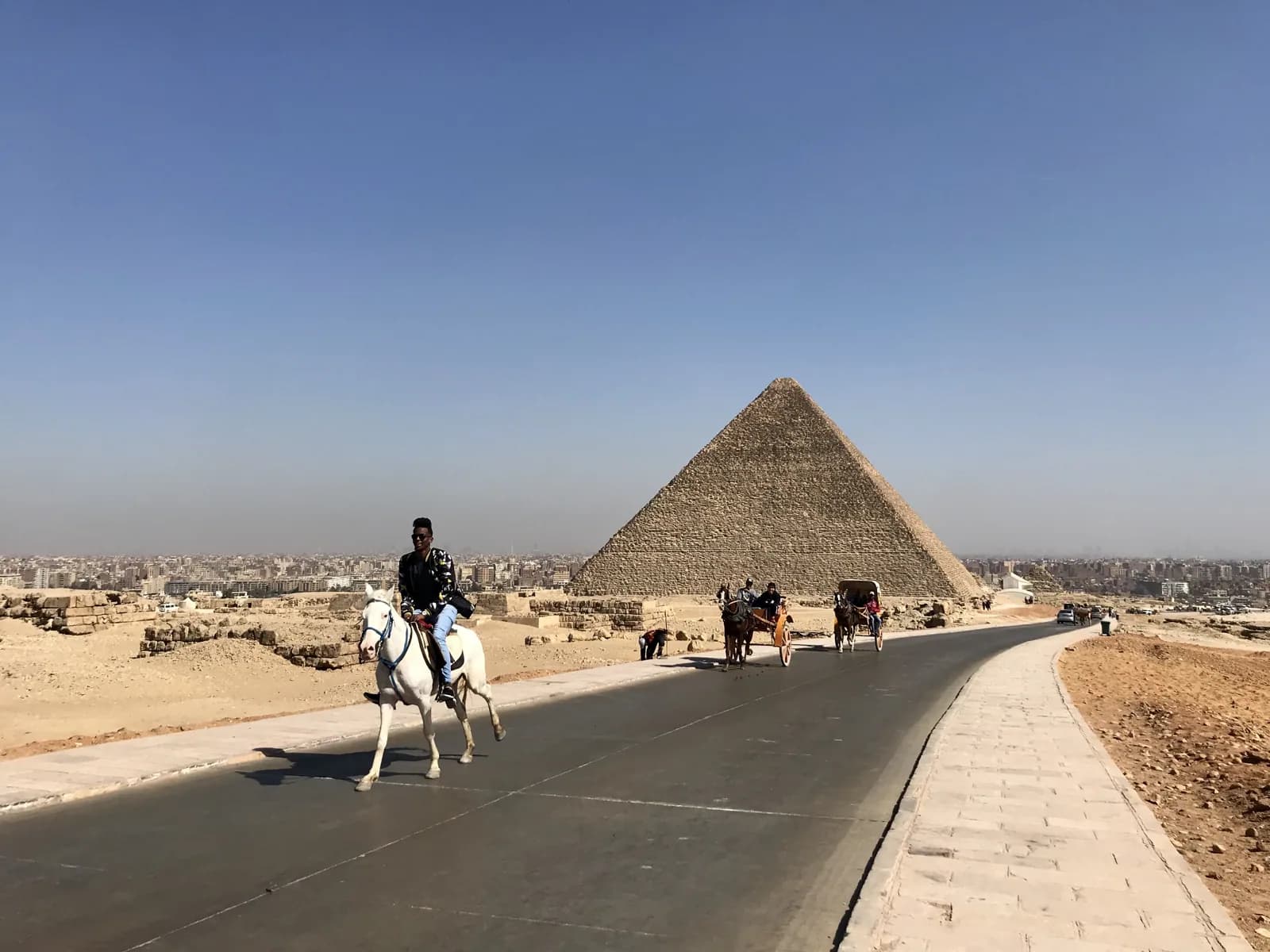
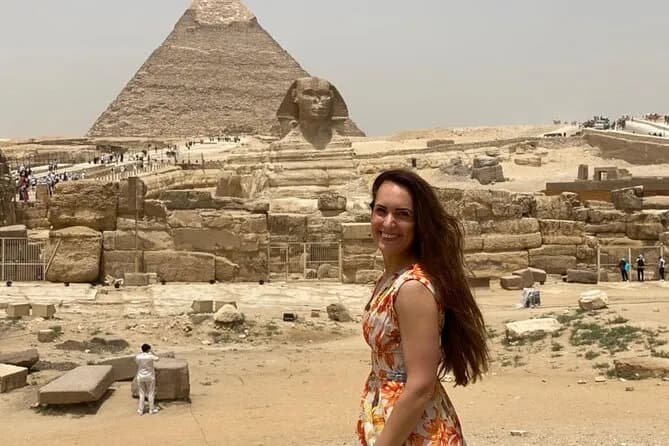
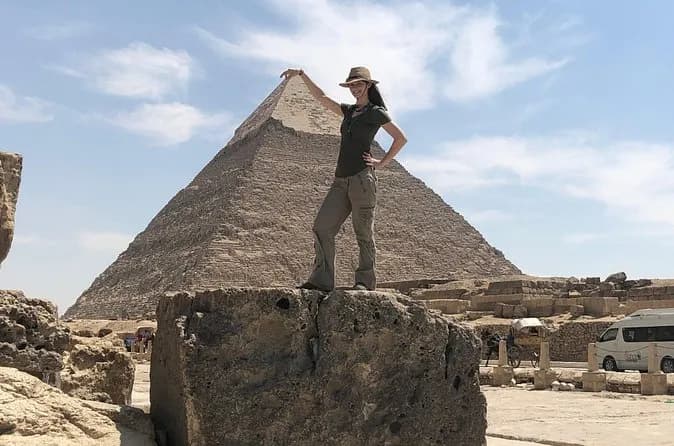
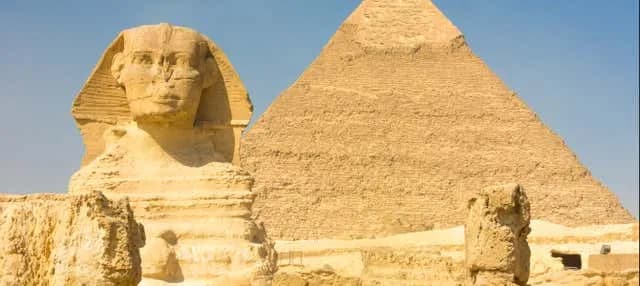
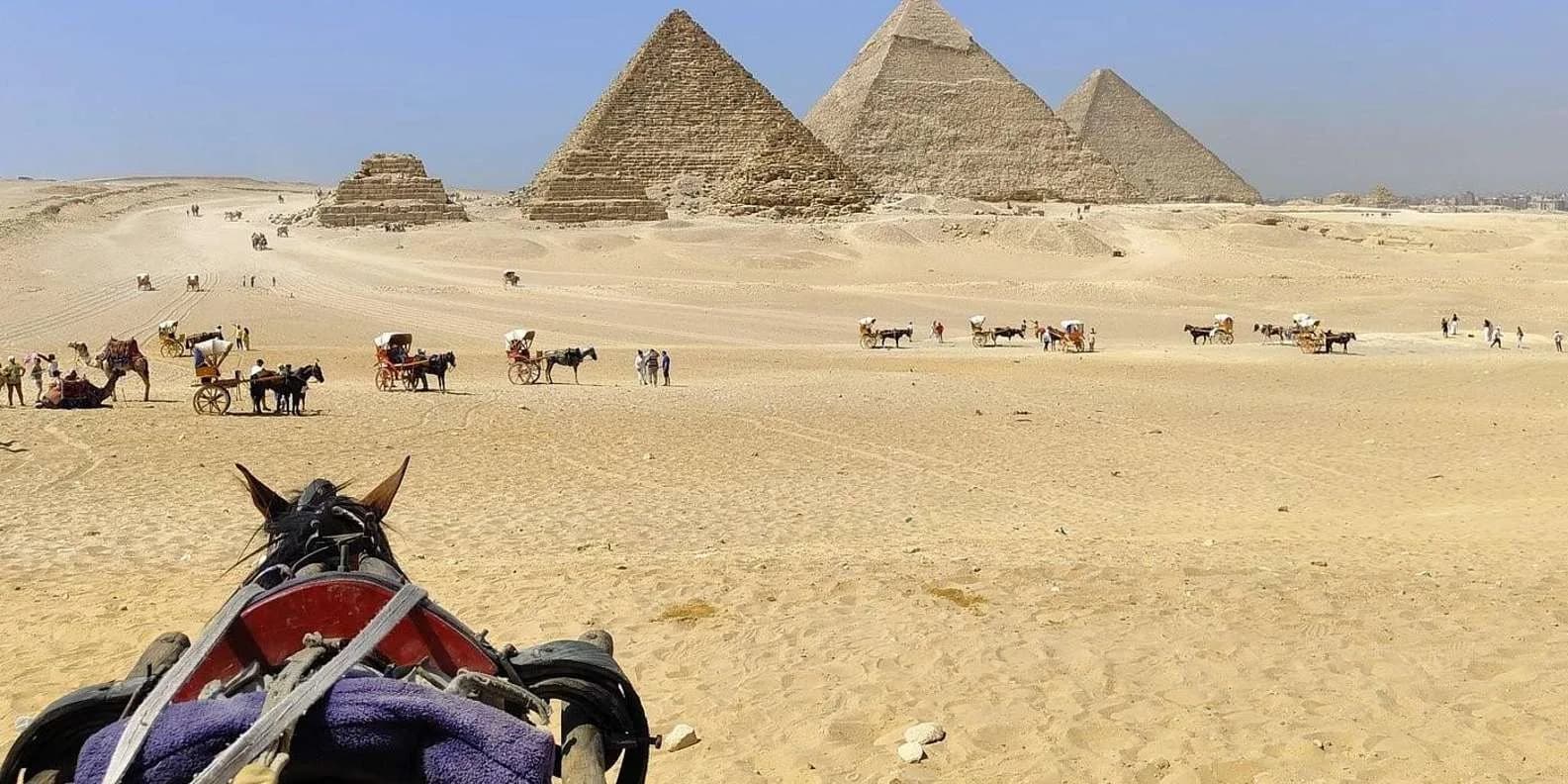
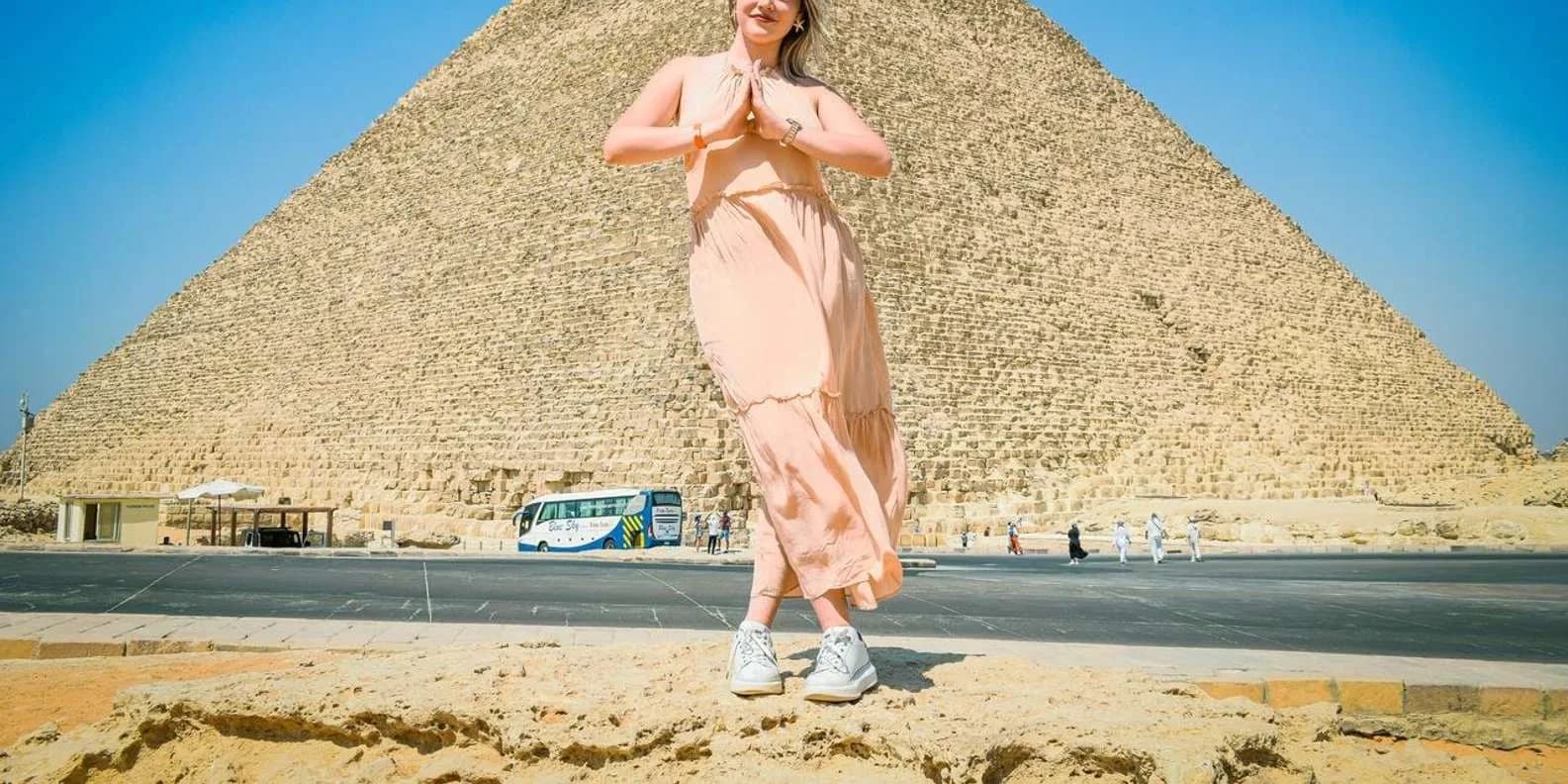
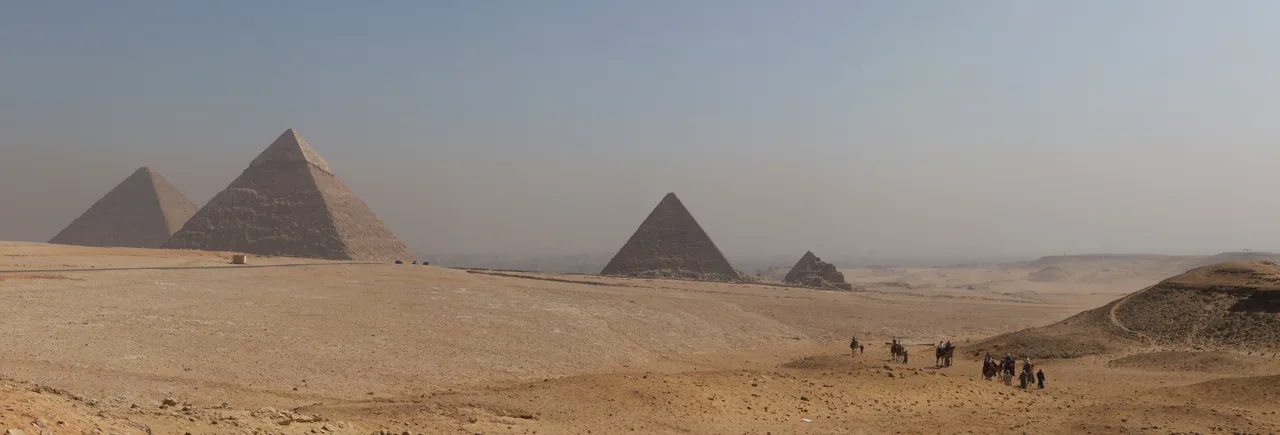 The pyramids are photographed more than almost any structure on the planet, which makes fresh angles harder to find but not impossible. Arrive at opening time, roughly 6-7am depending on season, when the low sun rakes across the stone blocks and throws long shadows that give the pyramids real dimensionality — midday light flattens them into a pale, hazy triangle. The often-overlooked panorama viewpoint on the plateau's southern ridge is the classic wide shot: all three pyramids stacked in one frame, ideally with a camel silhouette crossing in the foreground. For the Sphinx, shoot from the eastern platform in the first hour of light so the sun sits behind you and the temple ruins in the foreground catch warm side-light. Afternoon haze and crowds build fast, so treat sunrise as non-negotiable here.
Karnak's Hypostyle Hall and Luxor Temple After Dark
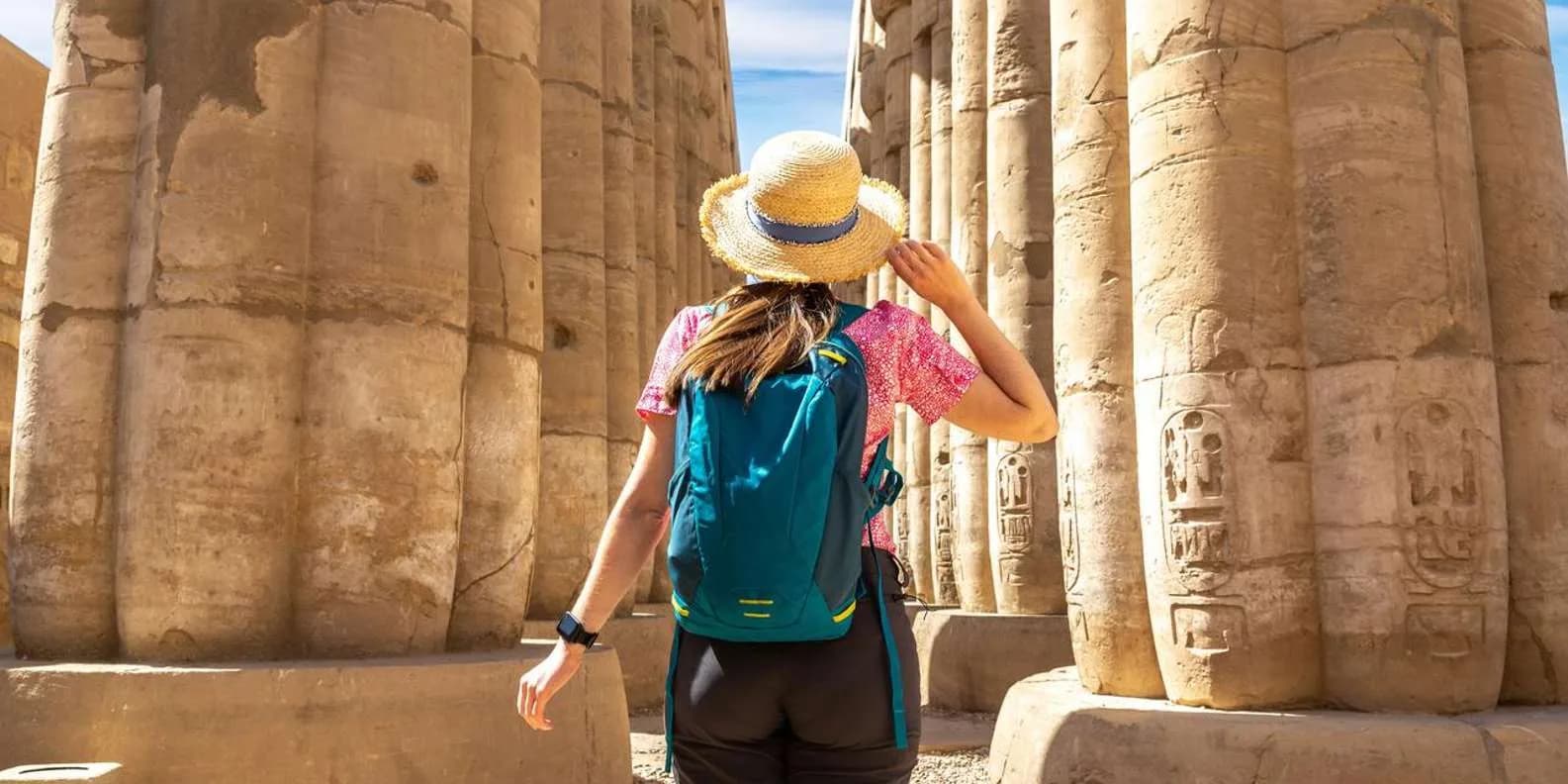
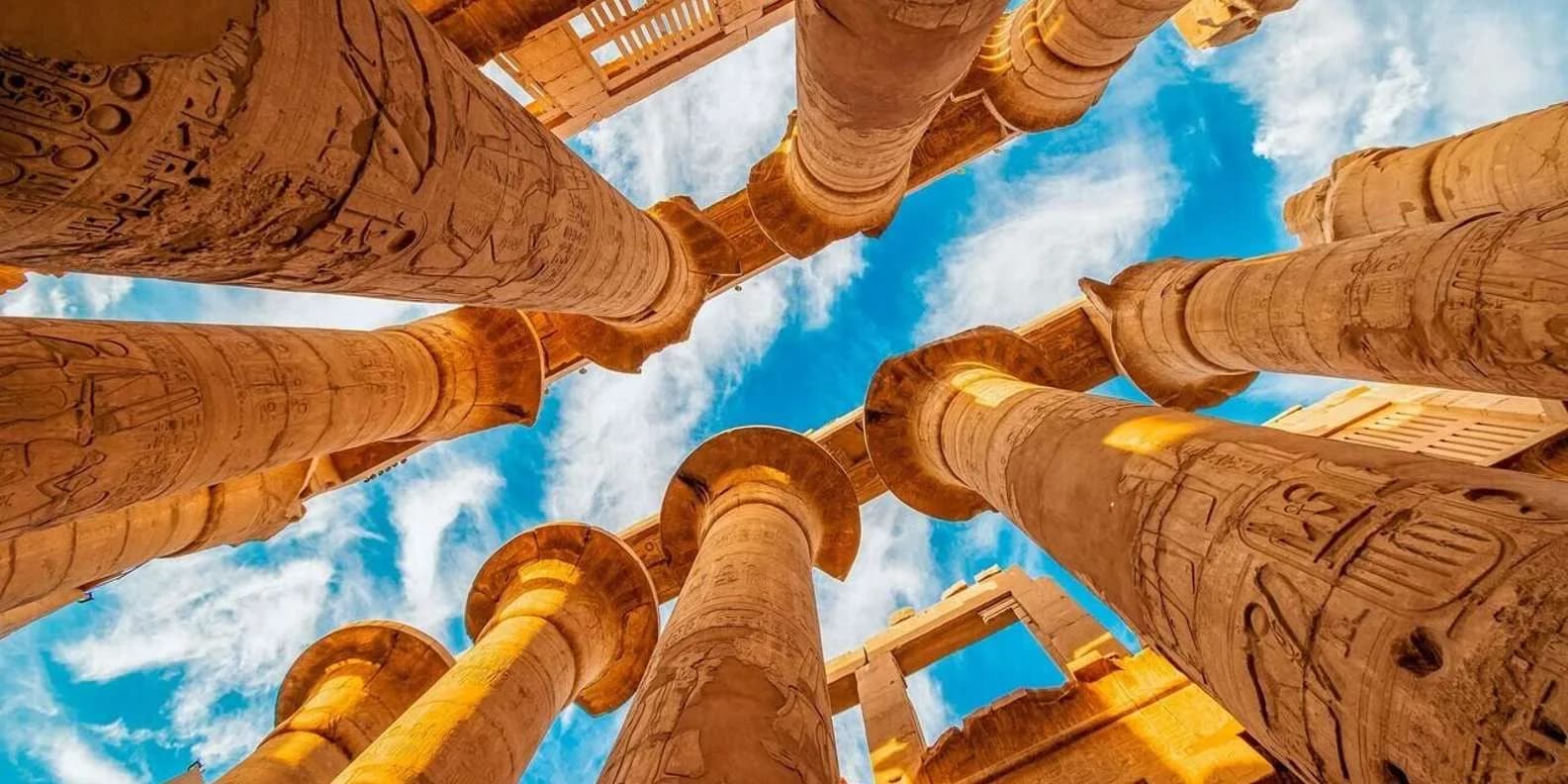
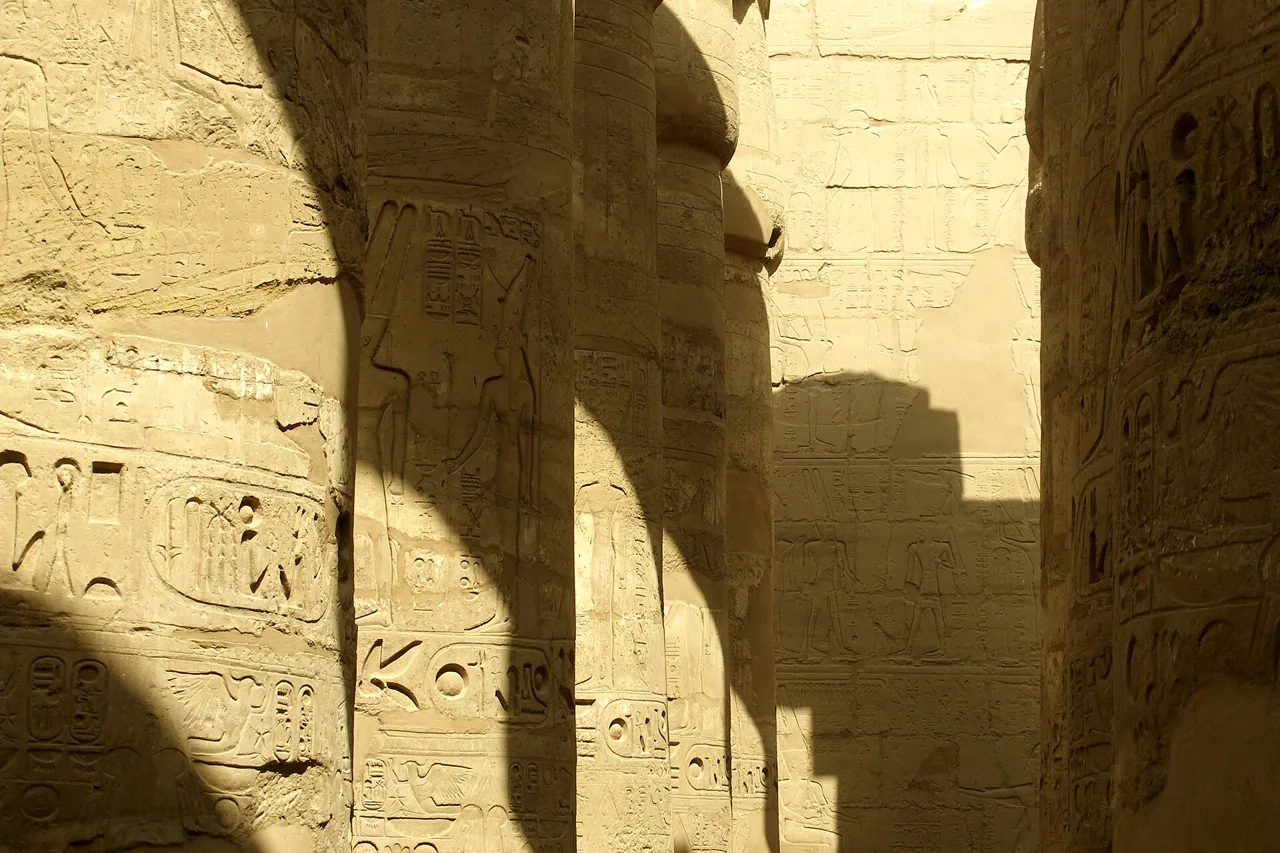 Karnak's hypostyle hall — 134 towering columns packed into a single room — is genuinely difficult to photograph well at midday; the light turns flat and the scale gets lost. Early morning, just after opening, gives you soft directional light raking between the columns and a rare window before tour groups fill the hall. Luxor Temple, by contrast, is built for night photography: its evening lighting design floods the colonnades and colossi in warm amber light against a dark sky, producing some of the most striking images in the country. Bring a tripod if you can, since interior light levels drop fast after sunset (more on tripod rules below).
The Nile at Golden Hour
A felucca drifting across the Nile at golden hour, sail lit orange-gold against the water, is one of Egypt's defining images, and it is genuinely easy to get right. Book a boat for the last 60-90 minutes before sunset in Aswan or Luxor, when the low sun turns the river into hammered metal and silhouettes the lateen sails cleanly. Shoot from a low angle near the water for reflections, and keep a second boat or the riverbank in frame for scale. Because the Nile runs roughly north-south through most of the country, you'll often get usable light on both banks — check which side puts the sun behind your subject rather than directly into your lens.
Abu Simbel and the White Desert: Desert Light at Its Extremes
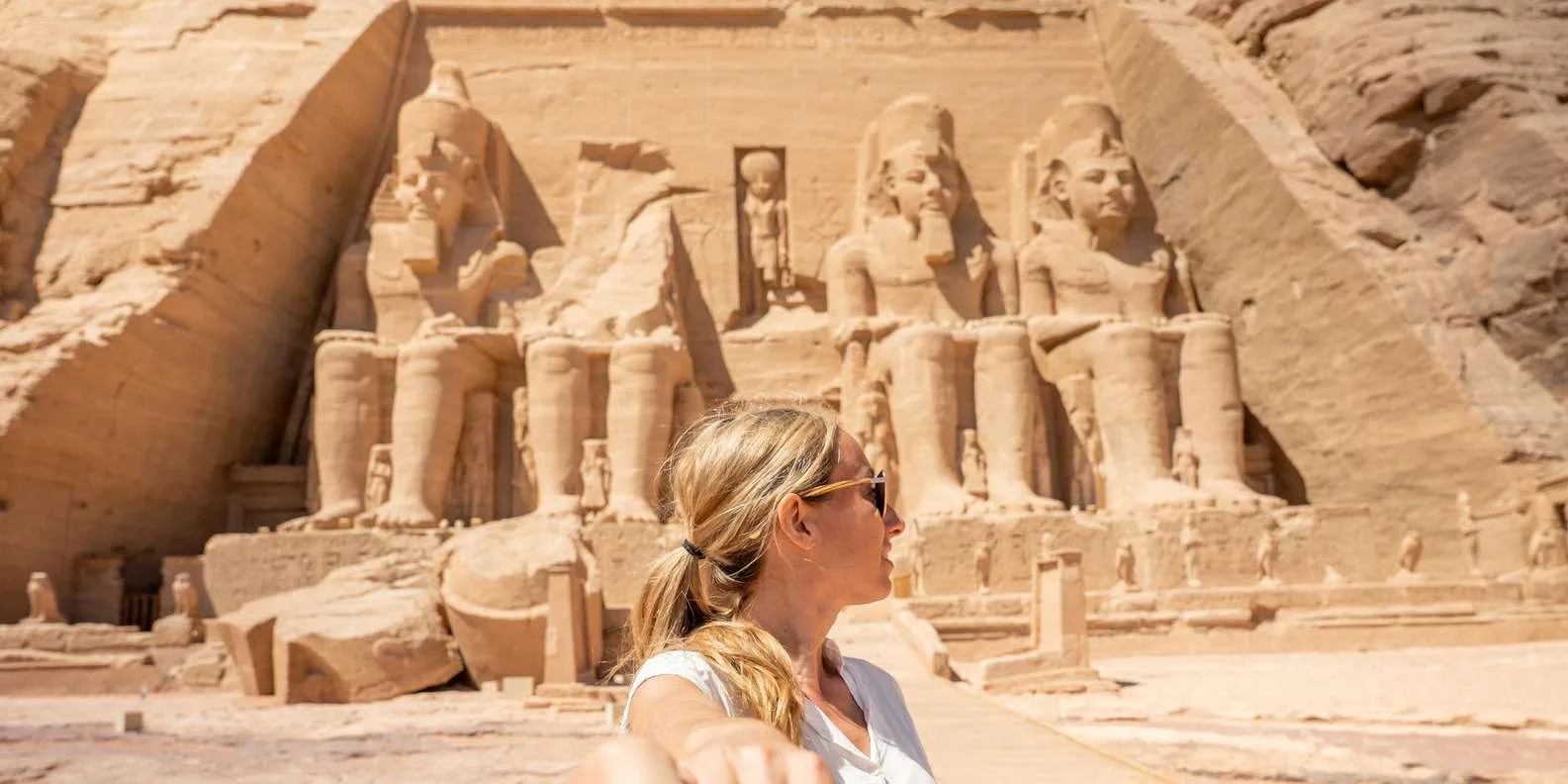
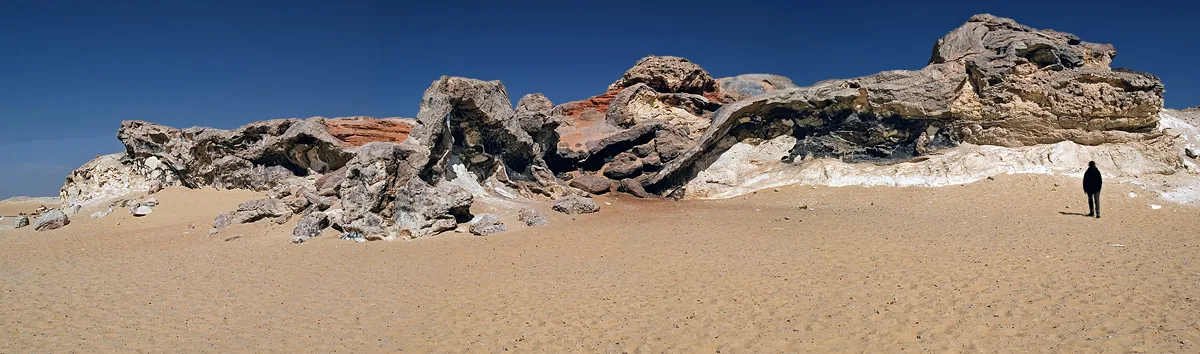 Abu Simbel's four colossal statues of Ramses II face east, so sunrise is the only time direct light hits their faces — most tour buses arrive early for exactly this reason, so plan to be among the first through the gate. The White Desert, several hours from Cairo, offers the opposite kind of drama: wind-carved chalk formations that glow pink at sunrise and sunset and turn ghostly white-blue under a full moon. A White Desert camping night is one of the few places in Egypt where genuine astrophotography is realistic, given the minimal light pollution. Both locations reward planning around the best time to visit Egypt, since summer heat can make midday shooting in either location punishing.
Aswan's Nubian Color and Islamic Cairo's Street Life
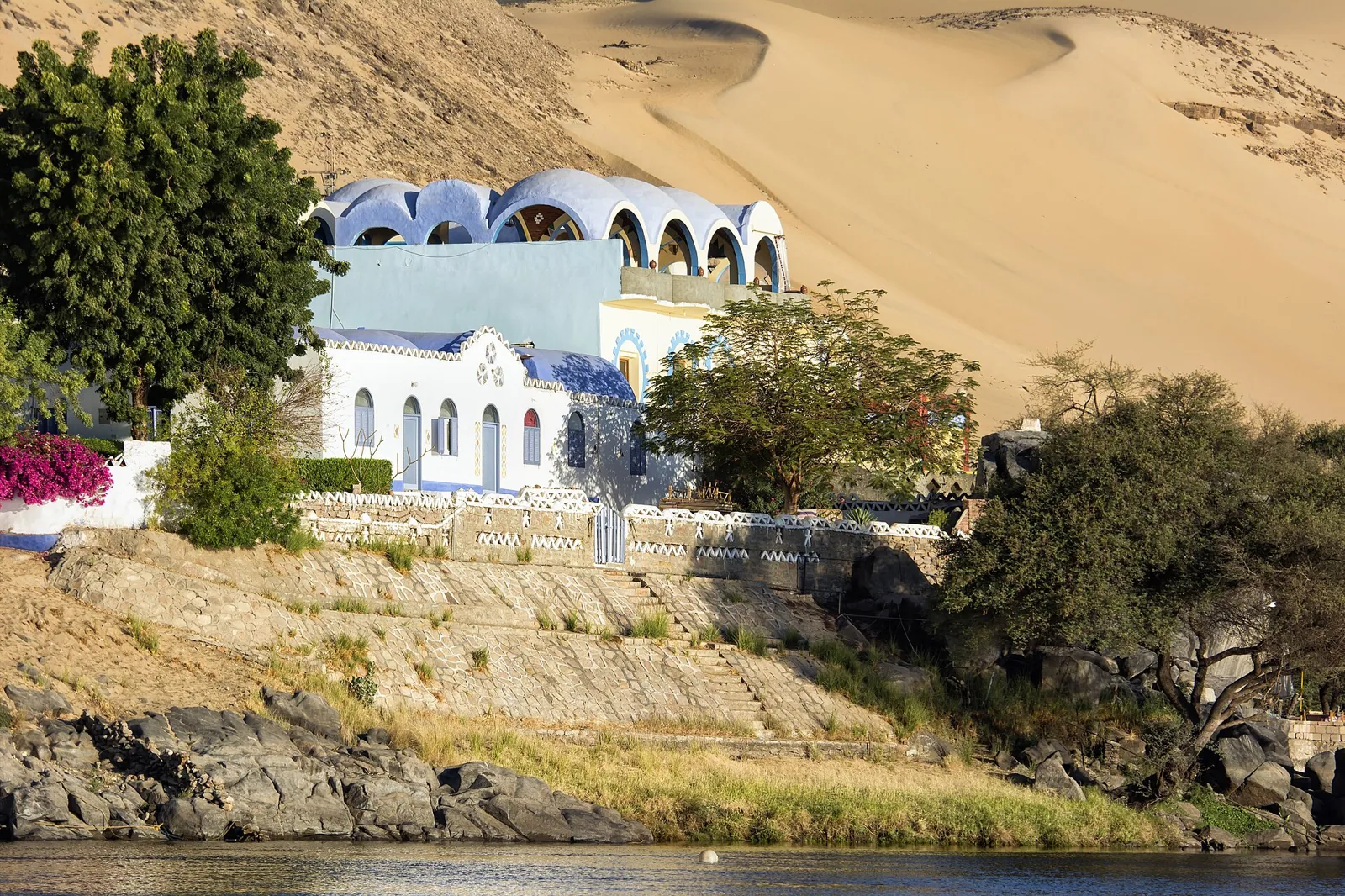 Aswan's Nubian villages are a color photographer's dream — walls painted in cobalt blue, ochre, and magenta, often with hand-painted murals, set against the Nile and desert hills. Late afternoon light is kindest here, softening the strong wall colors without blowing them out. In Cairo, Islamic Cairo and Khan el-Khalili bazaar are the best street-photography terrain in the country: narrow alleys, mashrabiya screens filtering light into shafts, copper and lantern stalls, and constant human activity. Late afternoon into early evening works well, when the market lanterns switch on but there's still enough ambient light to shoot handheld. Always ask before photographing individuals up close — most vendors are relaxed about it, but a nod or a few words go a long way.
Drone Rules in Egypt
This is the section to read before you pack a bag. Egypt treats drones as a security and aviation matter, not a photography accessory, and enforcement is genuinely strict. Flying a drone without prior authorization from Egyptian military and civil aviation authorities is effectively illegal for tourists, and the permit process is slow, bureaucratic, and rarely completed in time for a normal trip. In practice this means: do not bring a drone assuming you'll sort out permission on arrival. Customs officers at Cairo International Airport and other entry points routinely confiscate drones on sight, sometimes holding them for the duration of your stay or longer, and in some cases travelers have faced formal questioning. If aerial footage is essential to your shoot, work with a licensed local production company that already holds the required clearances rather than attempting it independently. For the full breakdown of what's allowed, what isn't, and how permits work, see our dedicated guide to Egypt photography & drone rules.
Camera Fees, Permits, and No-Photo Zones
Most major sites charge a separate camera ticket on top of general admission — this applies at the pyramids plateau, many temples in Luxor, and elsewhere, and the fee is usually modest but mandatory; buy it at the main ticket window, not at the gate. The Egyptian Museum in Tahrir Square permits photography in most public galleries with a paid photo ticket, but flash is banned everywhere to protect artifacts, and certain rooms — notably parts of the Tutankhamun galleries and mummy room — restrict or prohibit photography entirely, with signage posted at the entrance. Inside the Valley of the Kings, photography rules vary tomb by tomb: some allow a photo permit, others ban cameras outright to prevent flash damage to painted reliefs, and guards enforce this closely. Video cameras and professional-looking rigs (large tripods, multiple lenses, obvious commercial gear) sometimes trigger a request for a separate commercial filming permit, arranged in advance through the Ministry of Tourism and Antiquities — worth sorting out ahead of time if you're shooting for anything beyond personal use.
Gear, Timing, and Why a Photography Tour Helps
Egypt is hard on equipment: fine desert dust works into zoom mechanisms and camera bodies, and summer heat above 40°C (104°F) can stress batteries and electronics fast. Pack a rocket blower and microfiber cloths, carry spare batteries in an insulated pouch, and avoid changing lenses in open, windy areas like the White Desert or Giza plateau. Tripods are permitted at some sites and banned or restricted at others, particularly inside tombs and museum galleries, so check site-specific rules before committing to a heavy setup — a compact travel tripod or a beanbag is often the safer bet. Golden hour shifts with the seasons: expect roughly 6-6:30am sunrise and 5-5:30pm sunset in winter, versus closer to 5:30am and 7pm in peak summer, so plan each location's visit around the season you're traveling in. This is also where a dedicated Egypt photography tours itinerary earns its cost — operators secure early or after-hours access to sites like Giza and Luxor Temple before general admission opens, know which angles and permits each location requires, and handle the transport logistics between far-flung locations like Abu Simbel and the White Desert that are otherwise difficult to sequence around good light on your own.
What's On in Egypt
Events in Cairo

Egypt Press Photo Exhibition
Tahrir Cultural Center (AUC) · Downtown (Wust El Balad)

Exhibition Open Call
Tahrir Cultural Center (AUC) · Downtown (Wust El Balad)

Mental Health Week 2026
Tahrir Cultural Center (AUC) · Downtown (Wust El Balad)

A real team available 24/7 to assist you — free
Seif and the team reply on WhatsApp 24/7 — trip questions, custom plans and booking help.
Ask Seif on WhatsAppCommon questions
Can I bring a drone to Egypt for photography?
Not casually. Egypt requires prior authorization from military and civil aviation authorities before any drone flight, and the permit process is slow and rarely feasible for a standard trip. Customs routinely confiscates drones at the airport, so don't pack one assuming you'll get clearance on arrival.
Is there a separate camera fee at Egyptian sites?
Yes. Most major sites, including the Giza plateau and many Luxor temples, charge a photo ticket in addition to general admission. Buy it at the main ticket window before entering, since it's often not sold at the site entrance itself.
What's the best time of day to photograph the pyramids?
Sunrise, right at opening (roughly 6-7am depending on season). Low, raking light gives the pyramids depth and shadow definition that midday's flat, hazy light doesn't, and crowds are thinnest in the first hour.
Are tripods allowed at Egyptian monuments and museums?
It depends on the site. Some locations allow tripods freely, while many tombs and museum galleries restrict or ban them to limit crowding and protect fragile surfaces. Check the specific site's rules in advance and carry a compact travel tripod as a flexible backup.
Can I take photos inside tombs and the Egyptian Museum?
Photography rules vary by tomb in the Valley of the Kings — some allow a paid photo permit, others ban cameras entirely to prevent flash damage to painted walls. The Egyptian Museum permits photography in most galleries with a photo ticket, but flash is banned throughout and a few rooms, including parts of the Tutankhamun galleries, restrict photography completely.
Is night photography possible at Karnak and Luxor Temple?
Yes, and Luxor Temple in particular is built for it — its evening lighting design bathes the columns and colossi in warm light against a dark sky. Karnak's hypostyle hall is better suited to early morning light, since it isn't lit the same way after dark.
What's the best overall season for a photography trip to Egypt?
Late autumn through early spring (roughly November to March) offers the most comfortable shooting conditions, with softer haze, cooler midday temperatures, and golden hour falling at more workable times than the brutal summer heat. See our guide to the best time to visit Egypt for a season-by-season breakdown.
Book it on This is Egypt
Turn this guide into a trip


Egypt's bestsellers
The experiences travelers book most, across the country


Keep reading
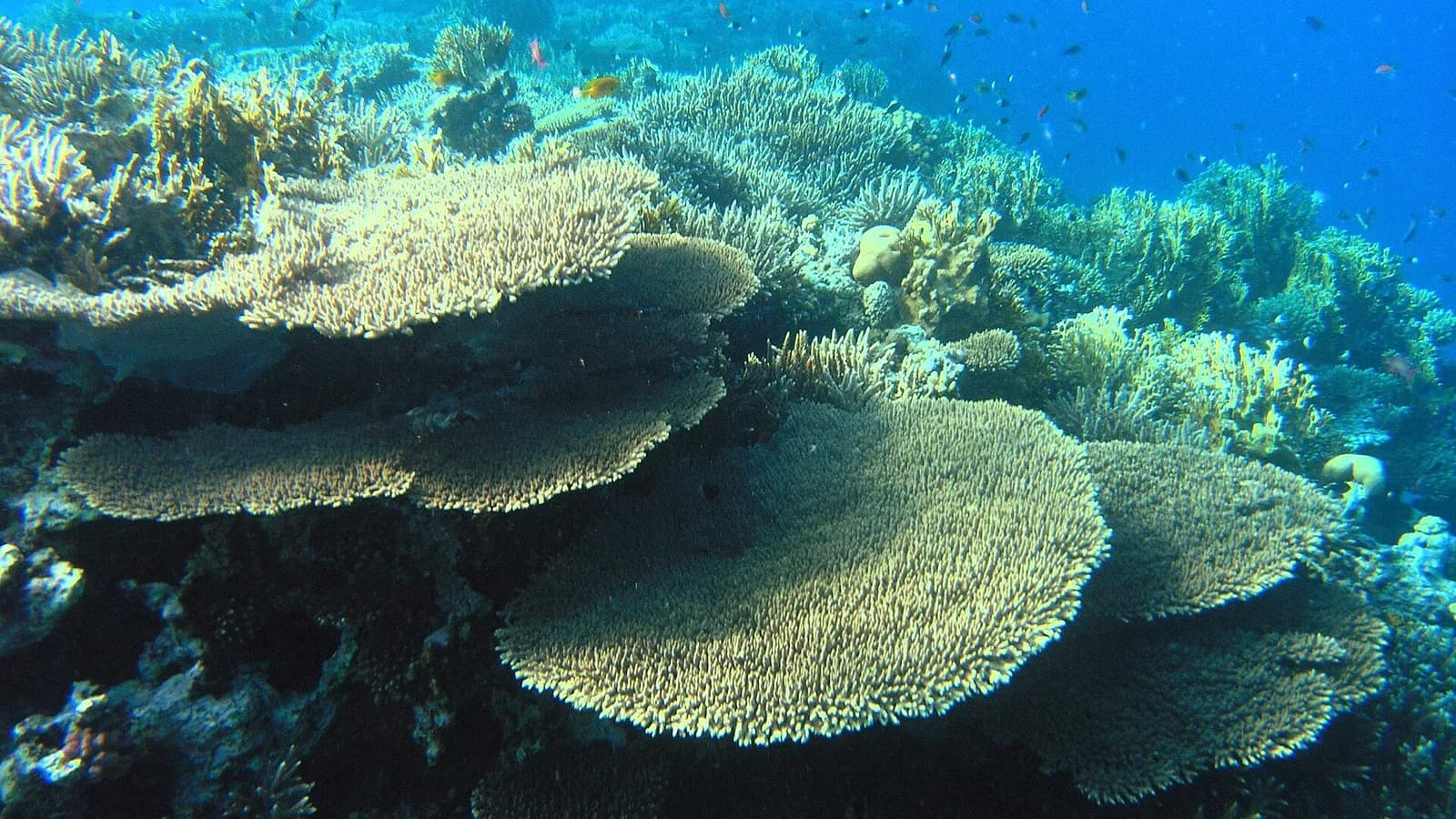
Hurghada Diving (2026): Best Sites, Packages & Prices
Diving in Hurghada — the best reefs (Giftun, Careless Reef, Dolphin House) and Abu Nuhas wrecks, Discover Scuba vs PADI courses, season and water temps, and real 2026 prices.
By TiE Editors7 min read
Hurghada Snorkeling Trips (2026): Best Reefs, Prices & How to Choose
Where to snorkel from Hurghada in 2026 — Orange Bay, Giftun, Mahmya, Utopia and Dolphin House — with boat types, marine life, month-by-month sea temperatures, family tips and real prices from 1,000+ bookable trips.
By TiE Editors7 min read
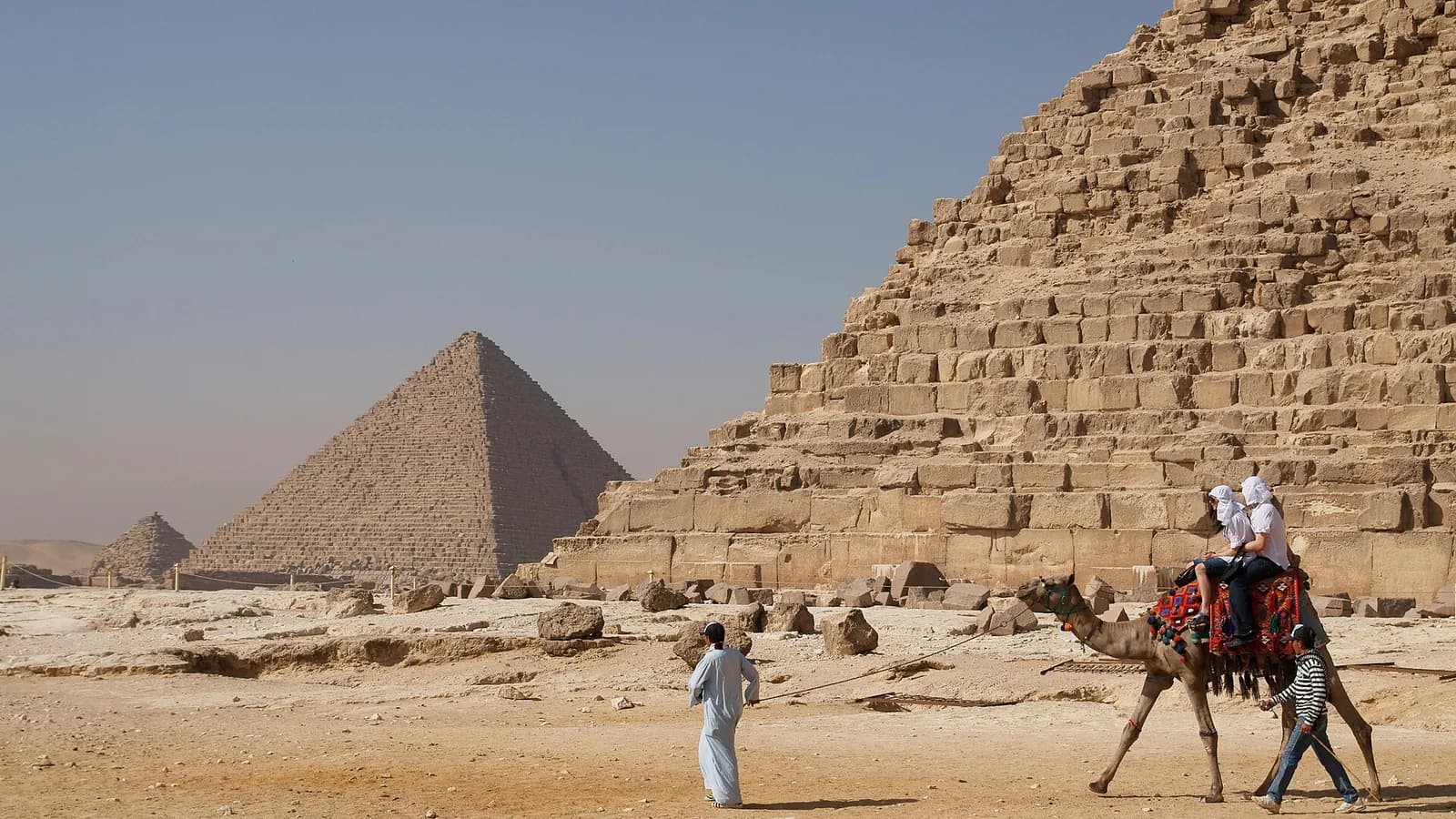
Egypt Tour Prices by Activity (2026): What Each Type Really Costs
What every type of Egypt experience costs — half day, full day or overnight — as a median and a mid-half range in US dollars, from 12,370 live bookable listings.
By TiE Editors6 min read