Dahabieh ou bateau de croisière sur le Nil (2026) : lequel choisir ?
Une dahabieh navigue dans un silence quasi total avec une douzaine d'invités ; un bateau de croisière transporte plus de cent passagers avec piscine et spectacles. Voici la comparaison honnête, prix à l'appui.
Croisières sur le Nil & dahabiyas
Transformez ce guide en voyage
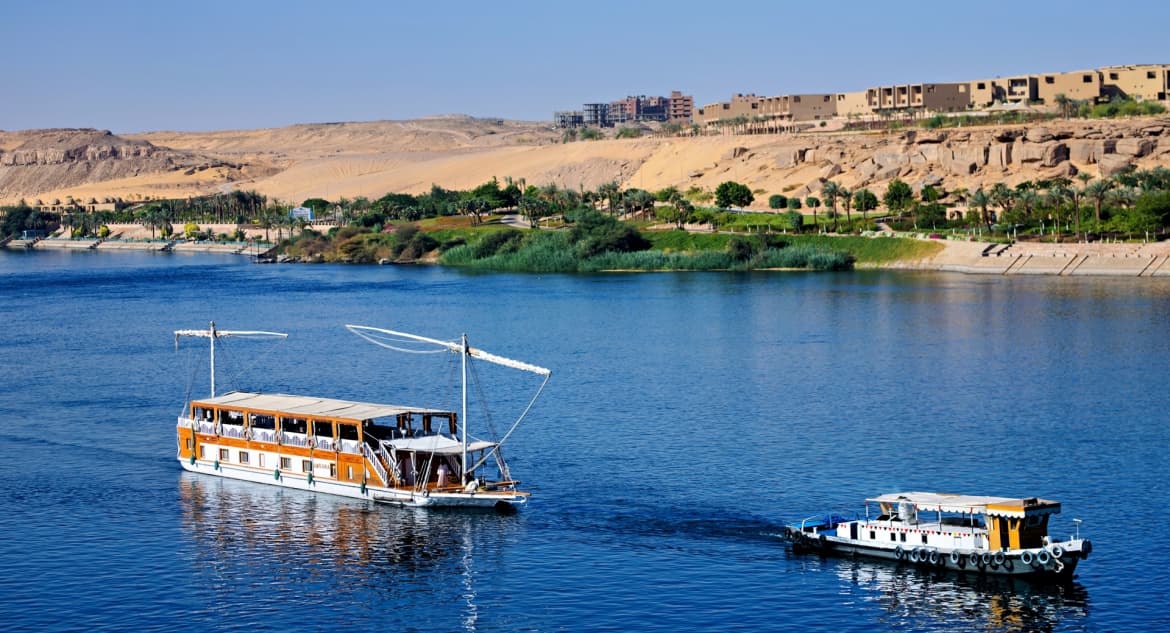
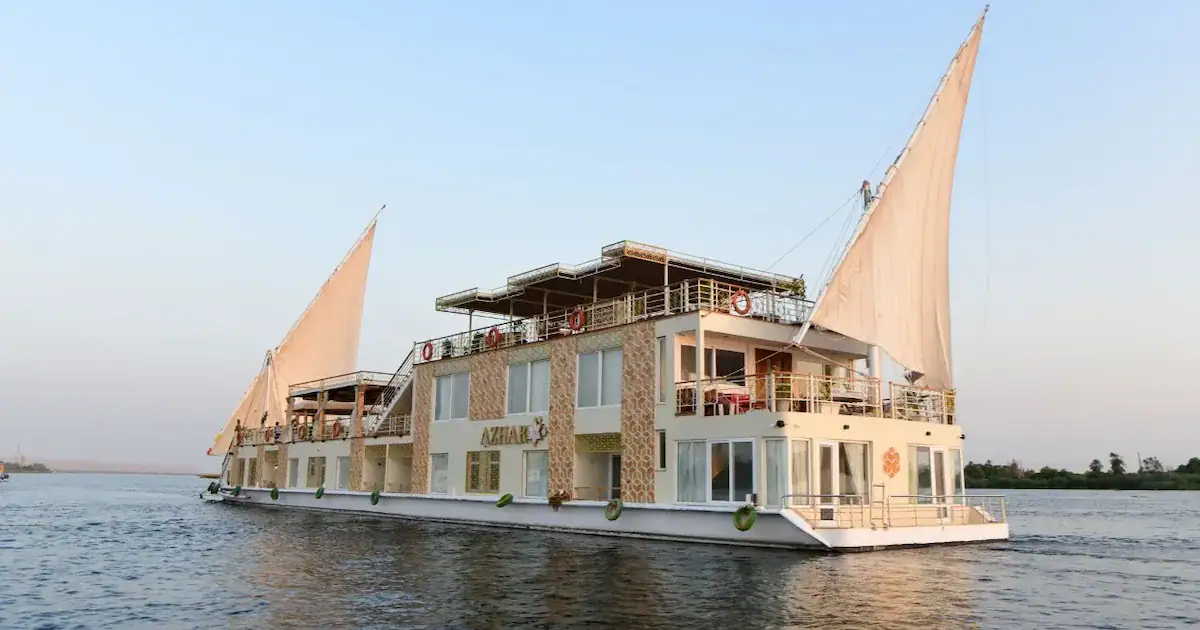
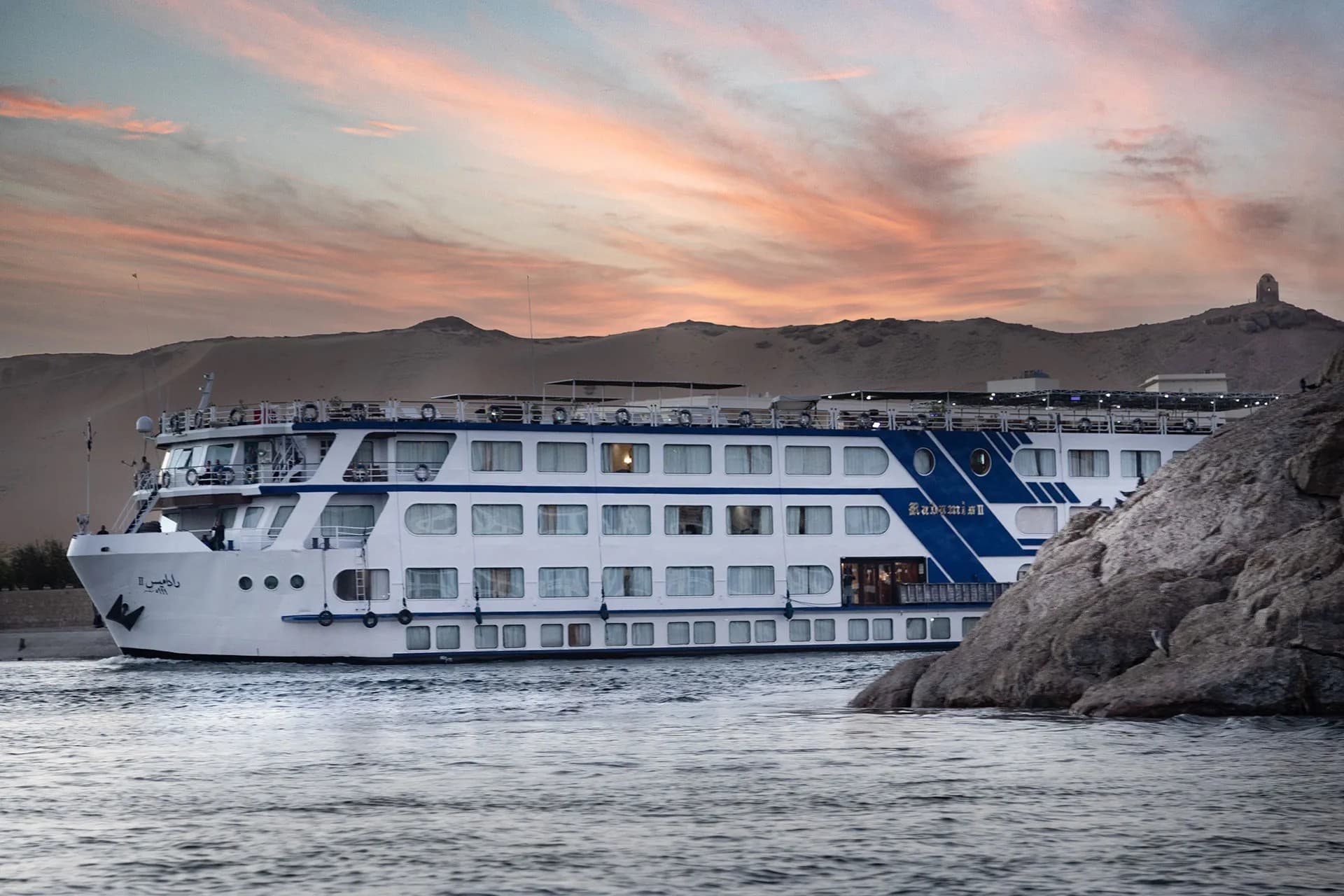
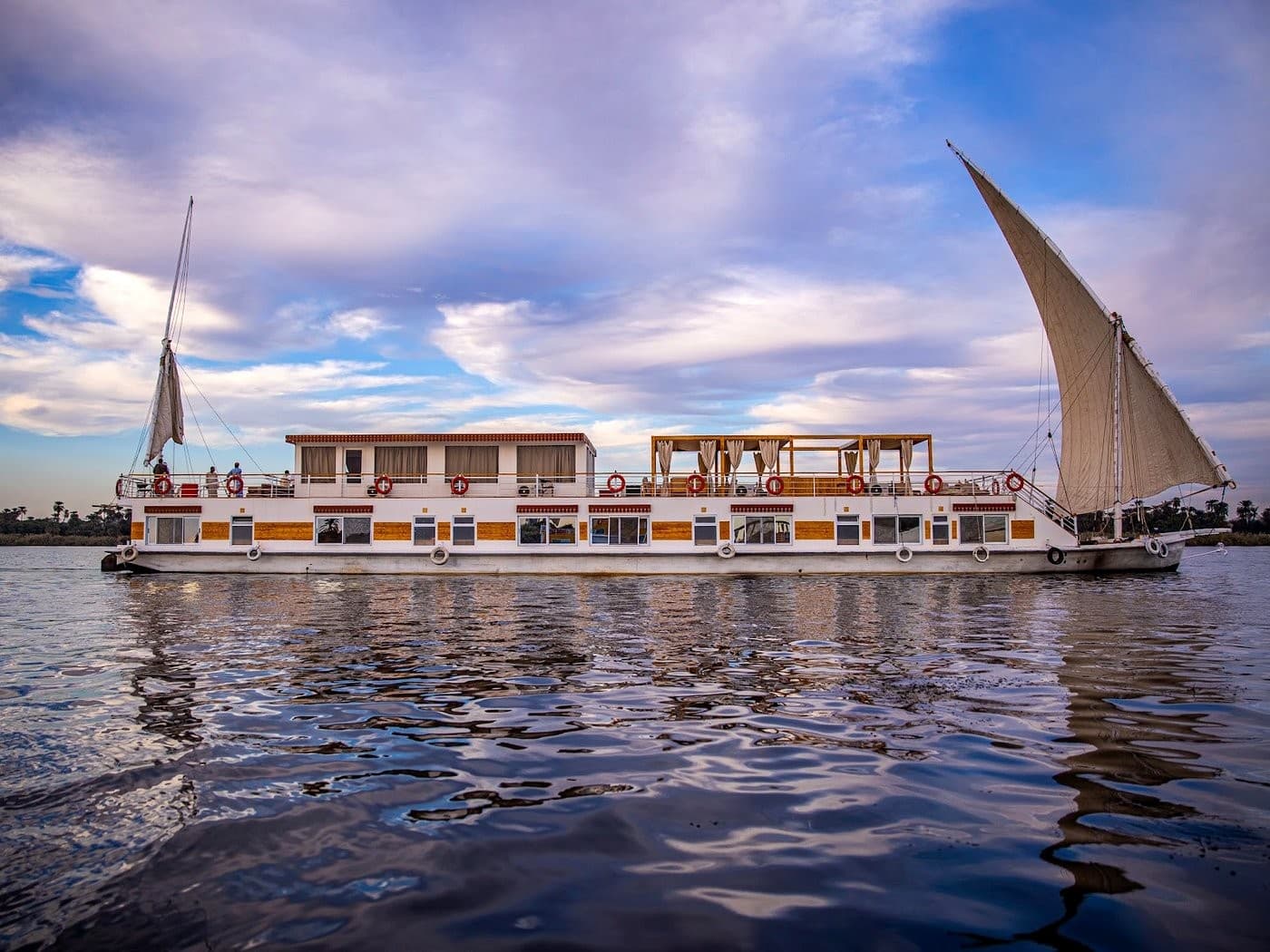
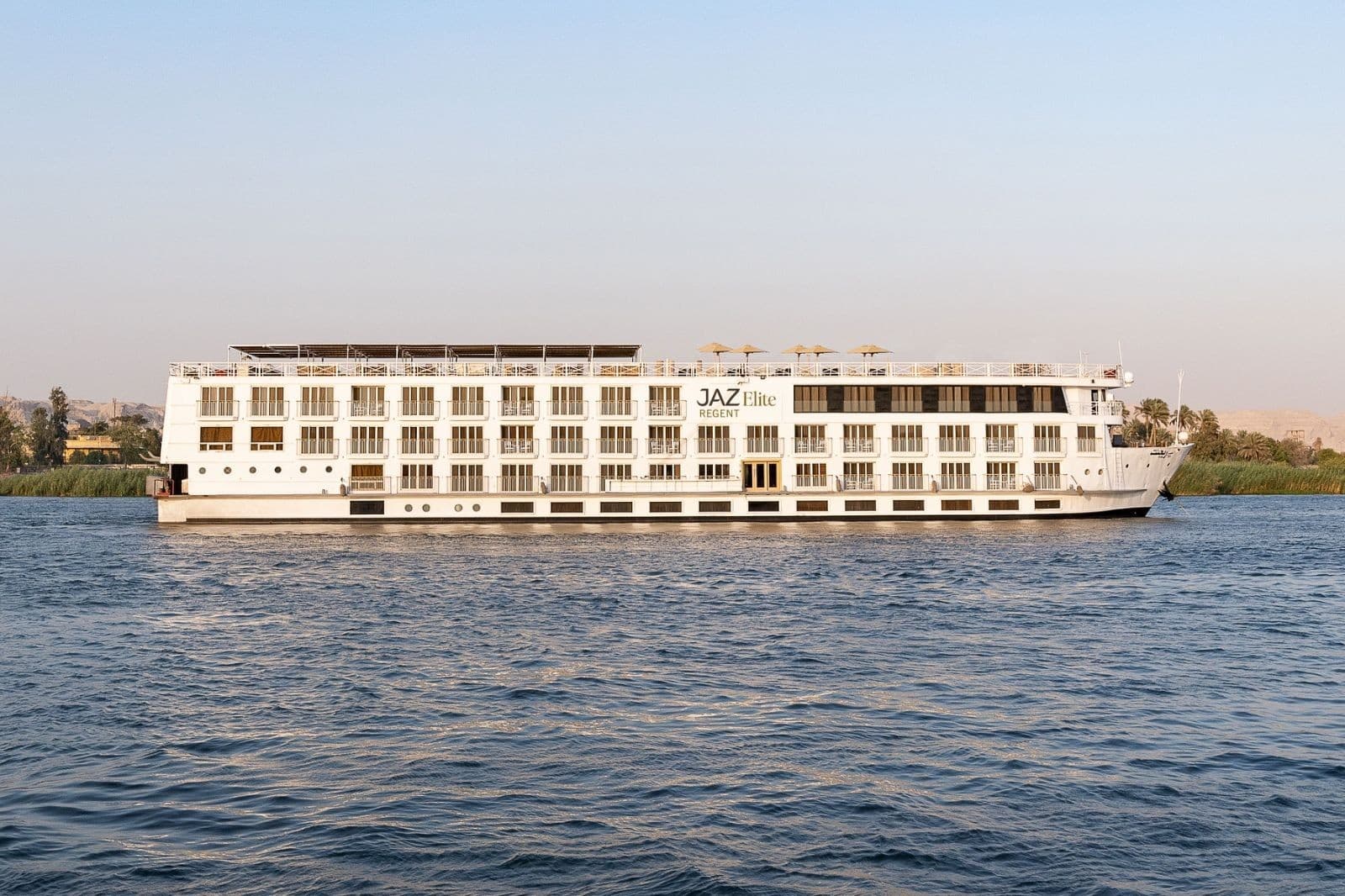
Réponse rapide : Choisissez une dahabieh pour une navigation calme et intime — 4 à 12 cabines, propulsée par le vent, mouillant sur des bancs de sable inaccessibles aux gros bateaux — pour un tarif de 300 $ par personne jusqu'à plusieurs milliers pour les voiliers de luxe. Choisissez un bateau de croisière pour une piscine, des buffets, des spectacles et le prix le plus bas — à partir de 95 $ par personne sur une croisière économique de 3 nuits. Les deux visitent les mêmes temples entre Louxor et Assouan.
La plus grande décision d'un voyage sur le Nil n'est pas l'itinéraire — c'est le type de bateau. Ils naviguent sur le même fleuve et s'arrêtent aux mêmes temples millénaires, mais l'expérience à bord n'a rien à voir. Voici la comparaison honnête.
En un coup d'œil
| Dahabieh (voilier) | Bateau de croisière (moteur) | |
|---|---|---|
| Invités | ~8–24 (4–12 cabines) | ~100–300 (40–160 cabines) |
| Propulsion | Vent + remorqueur quand il n'y a plus de vent | Moteurs diesel |
| Rythme | Lent, calme, mouillages sur des îles | Plus rapide, horaire fixe |
| À bord | Pont soleil, salon ombragé, chef | Piscine, bars, spectacles, spa |
| Itinéraire | Esna/Louxor–Assouan, 4–7 nuits | Louxor–Assouan, 3–7 nuits |
| À partir de, par pers. | ~300 $ → 11 000 $+ | ~95 $ → 3 800 $+ |
| Idéal pour | Couples, familles, amateurs de calme | Premières visites, budget, ambiance conviviale |
Ce qu'est vraiment une dahabieh
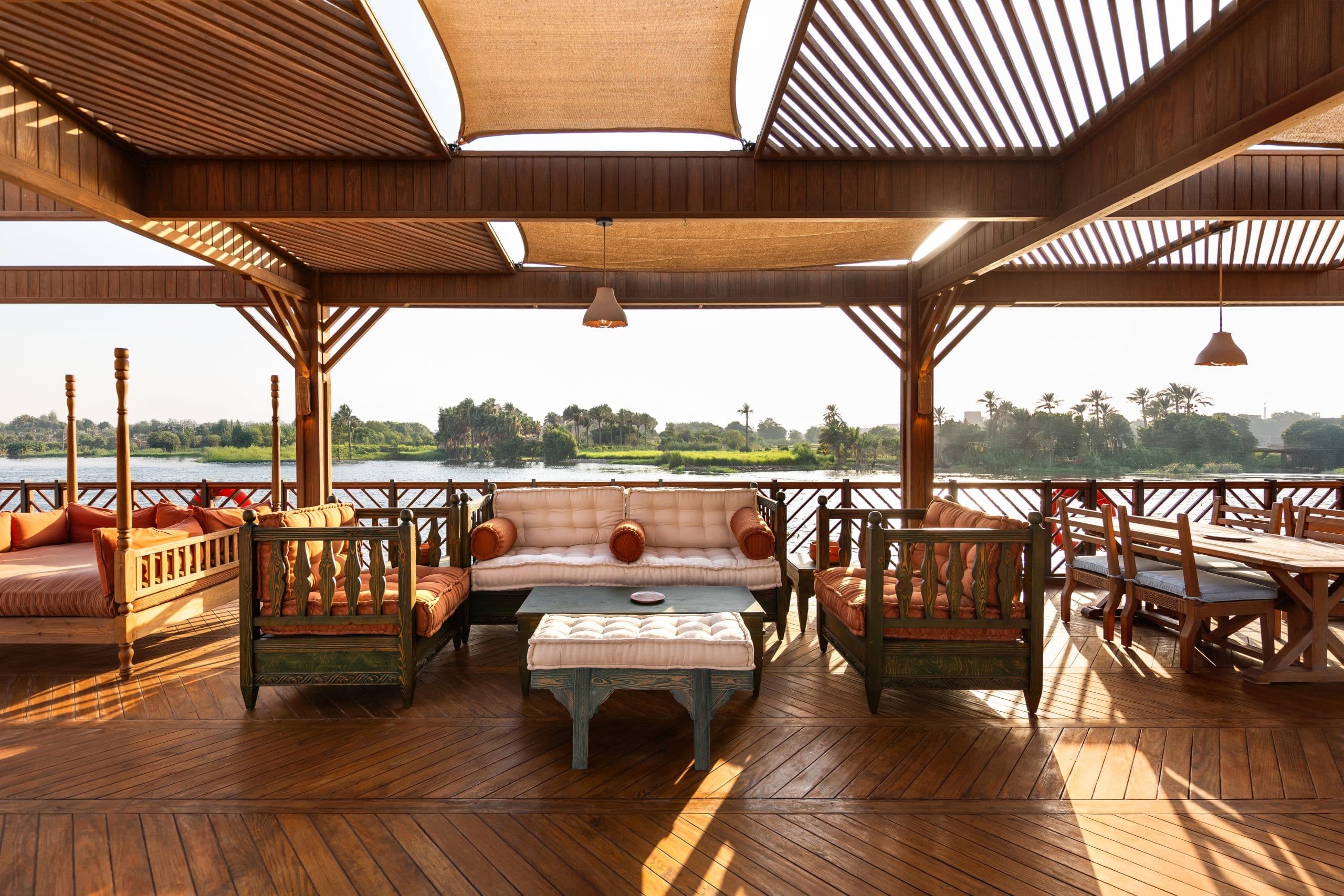
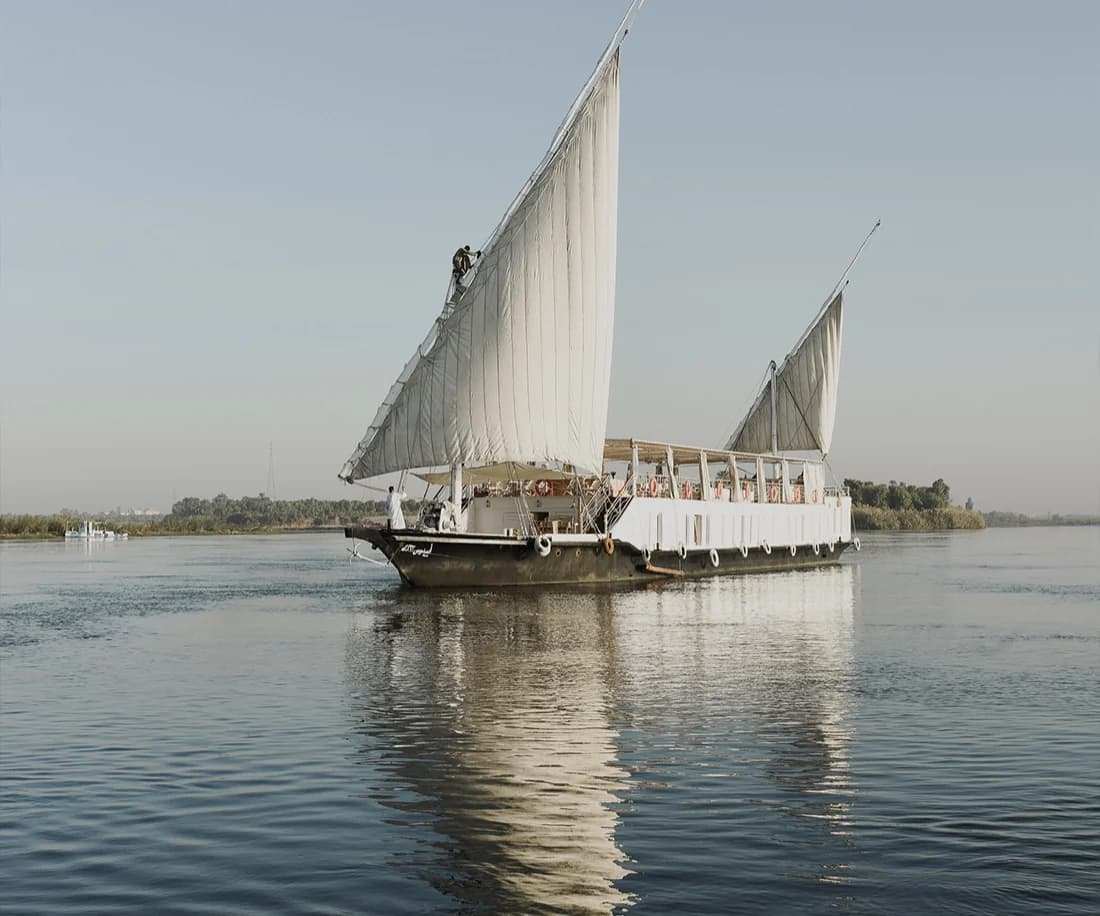
Une dahabieh est un voilier traditionnel à deux mâts transportant une douzaine d'invités au plus. Elle navigue (en partie) au vent et n'est remorquée par un petit bateau que lorsque le vent tombe. Petite et à faible tirant d'eau, elle mouille sur des bancs de sable et des débarcadères de village que les gros bateaux dépassent — vous vous réveillez au chant des oiseaux et devant une berge déserte, pas contre un quai en béton avec six coques amarrées côte à côte. En contrepartie : moins d'équipements, pas de piscine, et un rythme quotidien réglé sur la navigation et les temples.
La dahabieh moderne est une renaissance récente. Dès le début des années 2000, quelques armateurs ont reconstruit des coques traditionnelles avec cabines privatives et ponts ombragés. Les noms les plus connus aujourd'hui sont Nour El Nil, Lazuli, Merit Dahabiyas et les bateaux de très grand luxe Ashranda (Eyaru, Nebyt).
Ce qu'offre un bateau de croisière à la place
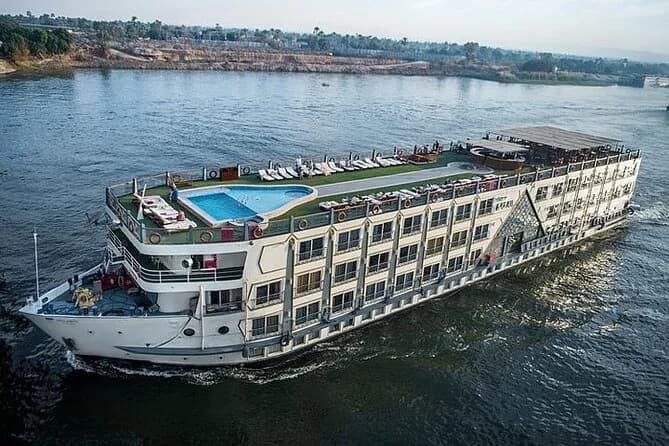
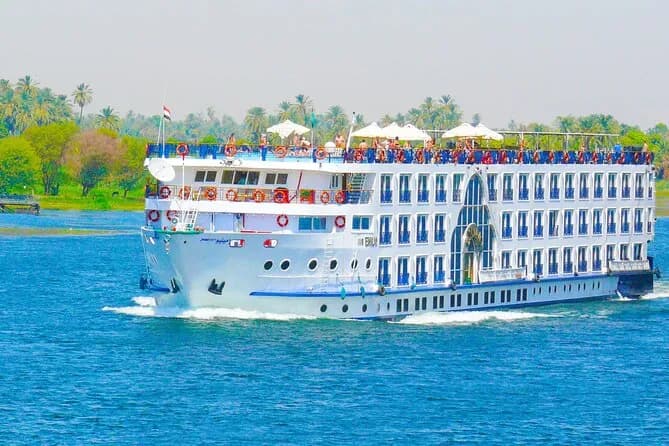
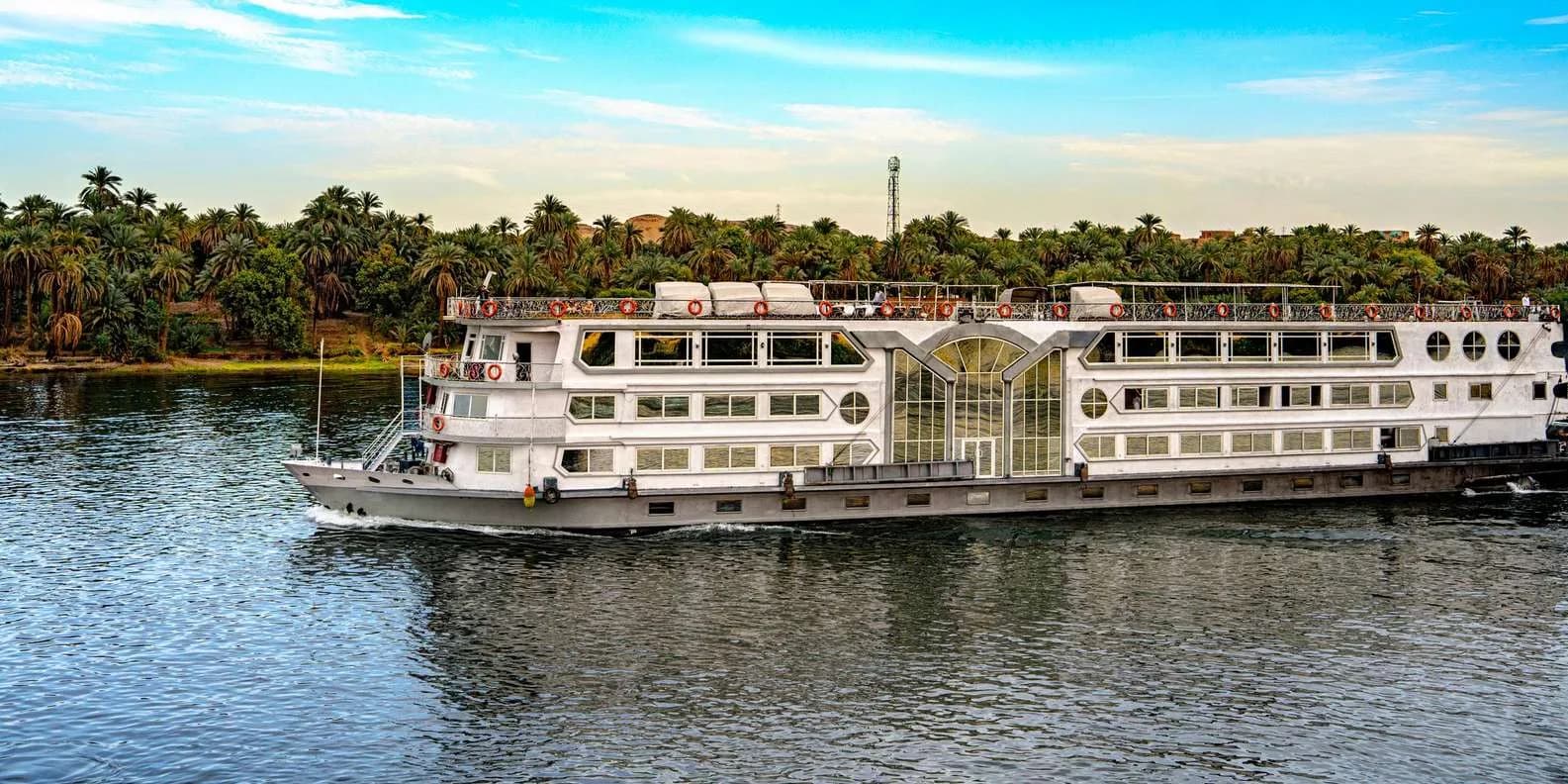
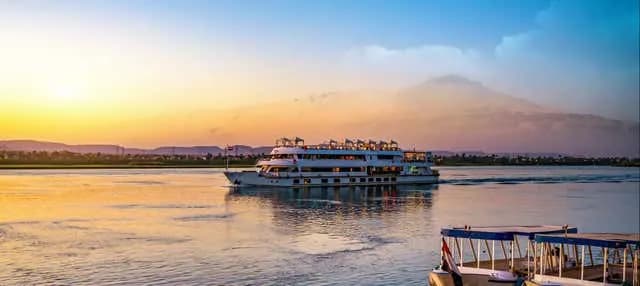
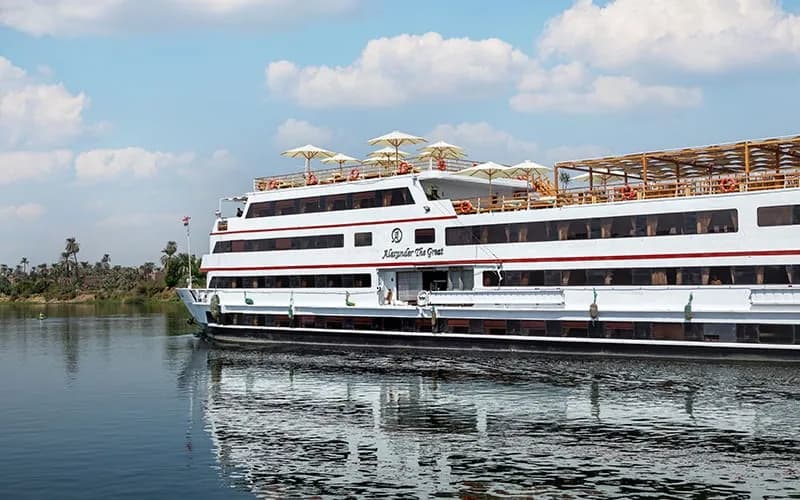
Un bateau de croisière sur le Nil est un hôtel flottant quatre ou cinq étoiles : 40 à 160 cabines, une piscine sur le pont soleil, des bars, un programme de spectacles chaque soir, et un égyptologue qui guide tout le bateau à travers les temples. C'est le choix convivial et bien équipé — et, surtout, le moyen le moins cher de croiser, car vous partagez les coûts fixes avec cent autres passagers. Les grands noms 5 étoiles sont Sonesta, Mövenpick et Jaz ; au sommet, des bateaux tout-suites comme l'Oberoi Zahra et la Sonesta Star Goddess.
Le prix, honnêtement
- Le moins cher globalement : un bateau de croisière économique. Les croisières de 3 nuits démarrent autour de 95–150 $ par personne, croisière seule.
- 5 étoiles classique : environ 650–1 300 $ par personne pour 3–4 nuits.
- Dahabieh : les voiliers les plus accessibles — Lazuli Abydos, certains itinéraires Merit et Oriental — démarrent autour de 300–400 $ par personne ; les vraies dahabiehs de luxe vont de 1 400 à 2 250 $, et les bateaux Ashranda atteignent 11 590 $.
- Bateaux boutique / suite : 1 300–3 800 $ par personne (Historia, Le Fayan, Star Goddess).
Ajoutez les mêmes extras dans les deux cas : l'excursion à Abou Simbel (85–120 $), les pourboires (8–12 $ par personne et par jour), les boissons et les vols intérieurs vers Louxor ou Assouan.
Cabines, confort et espace
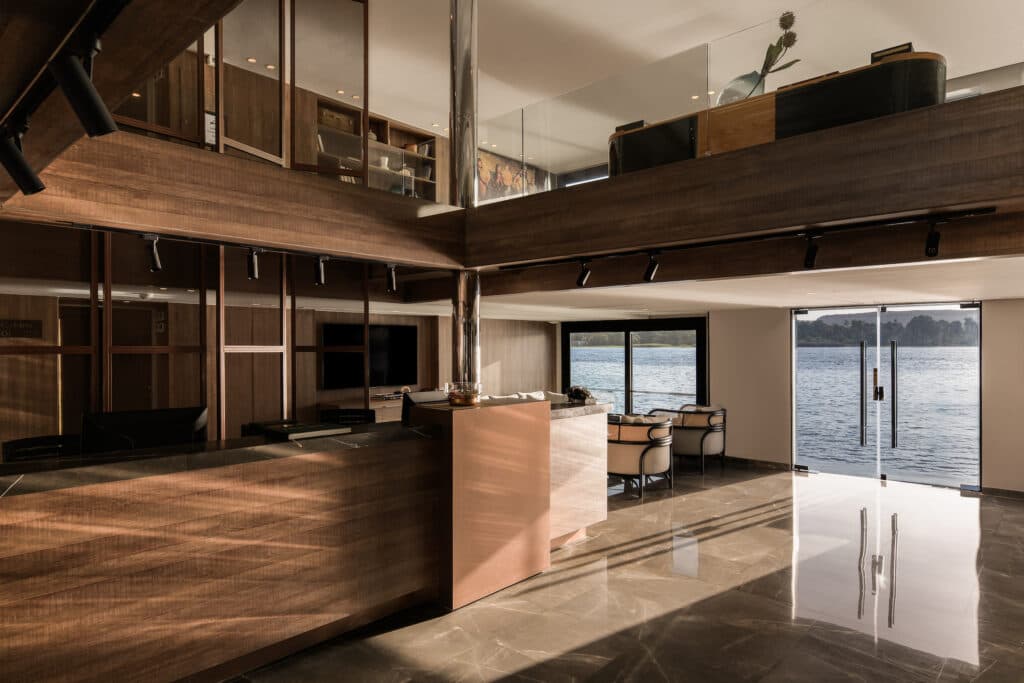
Sur un bateau de croisière, votre cabine est une vraie chambre d'hôtel — de 15 à 35 m², souvent avec balcon, salle de bain complète et ménage quotidien. Sur une dahabieh, les cabines sont plus petites et plus simples, mais c'est le bateau lui-même qui est le luxe : avec seulement une douzaine d'invités, le salon ombragé et le pont soleil sont pratiquement à vous, et vous ne faites jamais la queue. Si les mètres carrés de cabine comptent le plus, une suite l'emporte ; si c'est le sentiment d'avoir un bateau entier pour une poignée de personnes, la dahabieh gagne.
Bruit, intimité et mouillages
C'est la différence qui se ressent le plus. Les gros bateaux s'amarrent à Louxor et Assouan à trois ou quatre coques de profondeur contre un quai en béton, moteurs et générateurs en marche. Une dahabieh navigue surtout au vent — quasi silencieuse — et mouille sur des bancs de sable et des îles que les gros bateaux ne peuvent atteindre. Pour les couples et toute personne sensible au bruit et à la foule, cela suffit à trancher.
Lequel choisir ?
- Choisissez une dahabieh si vous êtes un couple ou une famille en quête d'intimité, que vous préférez le calme et le paysage aux équipements, et que le rythme imposé vous convient. C'est la navigation la plus romantique et la plus mémorable — et le seul moyen de mouiller sur des îles désertes.
- Choisissez un bateau de croisière si c'est votre première fois, que vous voulez une piscine et de l'animation le soir, que vous voyagez en groupe, ou que vous cherchez le prix le plus bas pour les mêmes temples.
Vous hésitez encore ? Notre guide des dahabiehs et notre guide des croisières de luxe approfondissent chaque option, et le guide Assouan–Louxor ou Louxor–Assouan tranche le sens. Quand vous êtes prêt, comparez les départs sur This is Egypt.
Parlez à une vraie personne — gratuitement
Seif et l'équipe répondent sur WhatsApp 24h/24 — questions de voyage, circuits sur mesure et aide à la réservation.
Demander à Seif sur WhatsAppQuestions fréquentes
Une dahabieh vaut-elle mieux qu'un bateau de croisière ?
Aucune n'est « meilleure » — elles conviennent à des voyageurs différents. Une dahabieh est plus calme et plus intime et mouille là où les gros bateaux ne peuvent aller, mais sans piscine et avec un rythme imposé. Un bateau de croisière offre les équipements, l'animation et le prix le plus bas. Les deux visitent les mêmes temples entre Louxor et Assouan.
Une dahabieh est-elle plus chère qu'un bateau de croisière ?
En général oui à l'entrée de gamme — les tarifs les plus bas des gros bateaux (dès ~95 $ par personne pour 3 nuits) battent presque toute dahabieh, car vous partagez les coûts fixes avec cent passagers. Mais les dahabiehs accessibles démarrent vers 300–400 $ par personne, l'écart est donc plus faible qu'on ne le croit.
Combien de personnes sur une dahabieh par rapport à un bateau de croisière ?
Une dahabieh accueille environ 8 à 24 invités dans 4 à 12 cabines. Un bateau de croisière transporte environ 100 à 300 invités dans 40 à 160 cabines.
Les dahabiehs et les bateaux de croisière visitent-ils les mêmes temples ?
Oui. Les deux naviguent sur le corridor Louxor–Assouan et s'arrêtent aux mêmes monuments — Kom Ombo, Edfou et Esna entre les deux villes, plus Karnak et la Vallée des Rois à Louxor et Philae à Assouan. L'itinéraire est identique ; seul le bateau change.
Laquelle est la meilleure pour les familles ?
Les deux conviennent. Un bateau de croisière plaît aux familles qui veulent une piscine et de l'espace ; une dahabieh à celles qui recherchent l'intimité et un bateau au caractère privé. Plusieurs dahabiehs se louent en affrètement complet pour une famille.
Une dahabieh navigue-t-elle vraiment à la voile, ou est-elle remorquée ?
Elle navigue réellement à la voile quand il y a du vent, et n'est remorquée par un petit bateau que lorsque le vent tombe ou dans les passages étroits. C'est normal et attendu sur toutes les dahabiehs.
Combien de nuits faut-il dans les deux cas ?
Trois à quatre nuits suffisent pour voir les temples phares entre Louxor et Assouan sur un bateau de croisière. Les dahabiehs durent plutôt quatre à sept nuits, car la navigation est plus lente et fait partie du plaisir.
Réservez-le sur This is Egypt
Transformez ce guide en voyage




Les incontournables d'Égypte
Les expériences les plus réservées à travers le pays







Continuer la lecture

Croisière sur le Nil d'Assouan à Louxor (2026) : itinéraires, prix et comment choisir
Une croisière de 3 ou 4 nuits entre Assouan et Louxor est la façon classique de découvrir les temples d'Égypte. Les escales, les vrais prix, pourquoi le sens de navigation et le choix du bateau comptent, et comment éviter une mauvaise croisière.
Par TiE Editors9 min de lecture
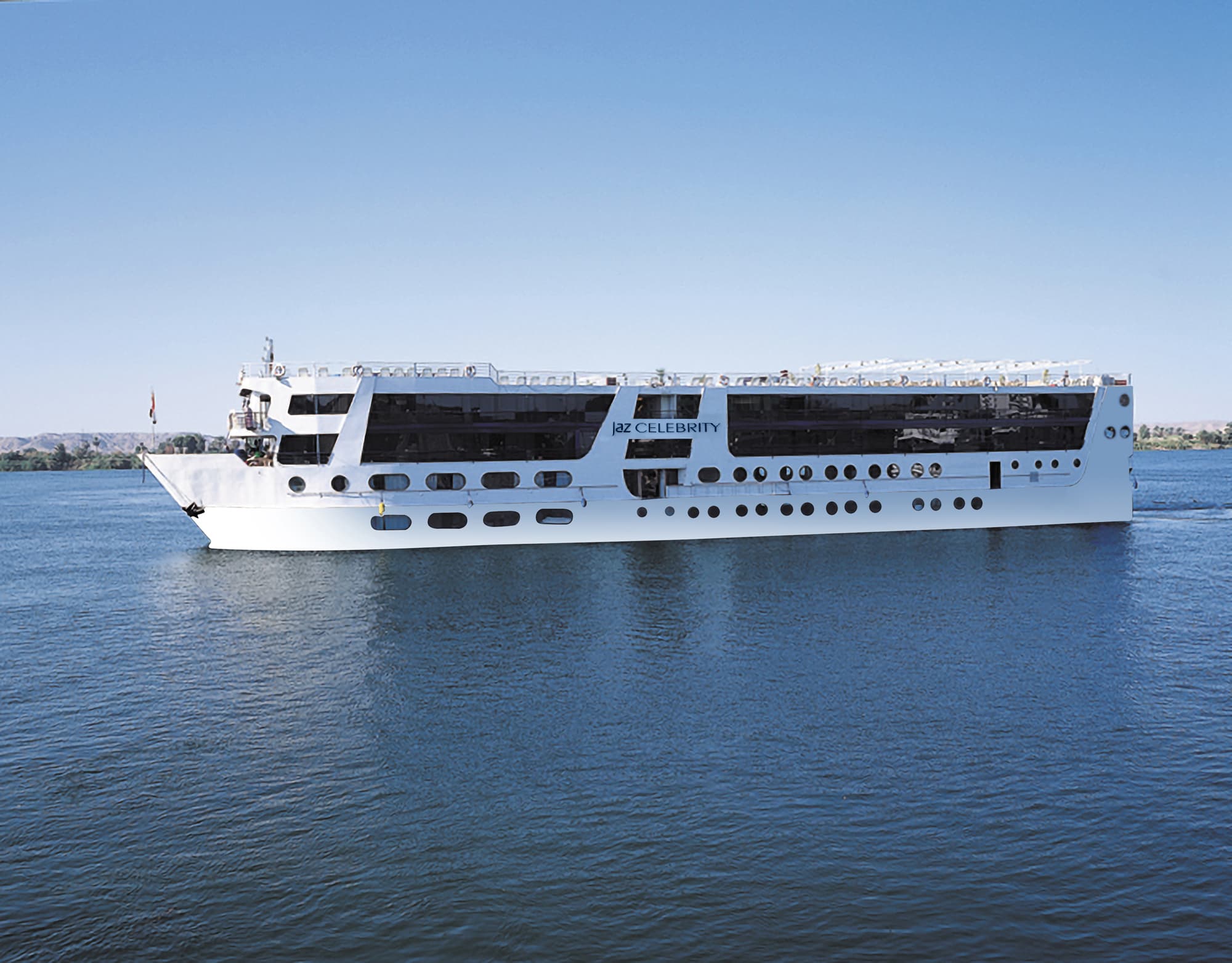
Jaz Nile Cruises (2026): Fleet, Routes & How to Book
Jaz is the Nile cruise arm of JAZ Voyages, part of Travco Group, and runs the largest fleet in our directory: twelve ships on the Luxor–Aswan route plus three Farouz El Nil dahabiyas.
Par TiE Editors6 min de lecture
Croisière sur le Nil pour l'éclipse solaire du 2 août 2027 : vivre la totalité en Égypte
Le 2 août 2027, une éclipse totale de Soleil passera au-dessus de Louxor avec plus de 6 minutes de totalité. Une croisière sur le Nil est la meilleure façon de la voir : vous êtes dans la bande de totalité et l'hébergement est réglé. Comment fonctionnent les croisières éclipse et pourquoi réserver tôt.
Par TiE Editors5 min de lecture