 Photo by Vyacheslav Argenberg (vascoplanet.com), via Wikimedia Commons, CC BY 4.0
وادي الملوك: دليل المقابر وأيها تزور (2026)
كيف تزور المقبرة الملكية في الأقصر فعليًا، وكيف تعمل التذكرة الدوارة، وأي المقابر تستحق الرسم الإضافي (سيتي الأول، نفرتاري، رمسيس السادس)، وكيف تتغلب على الحر والزحام.
احجزها على This is Egypt
الأقصر · حوّل هذا الدليل إلى رحلة

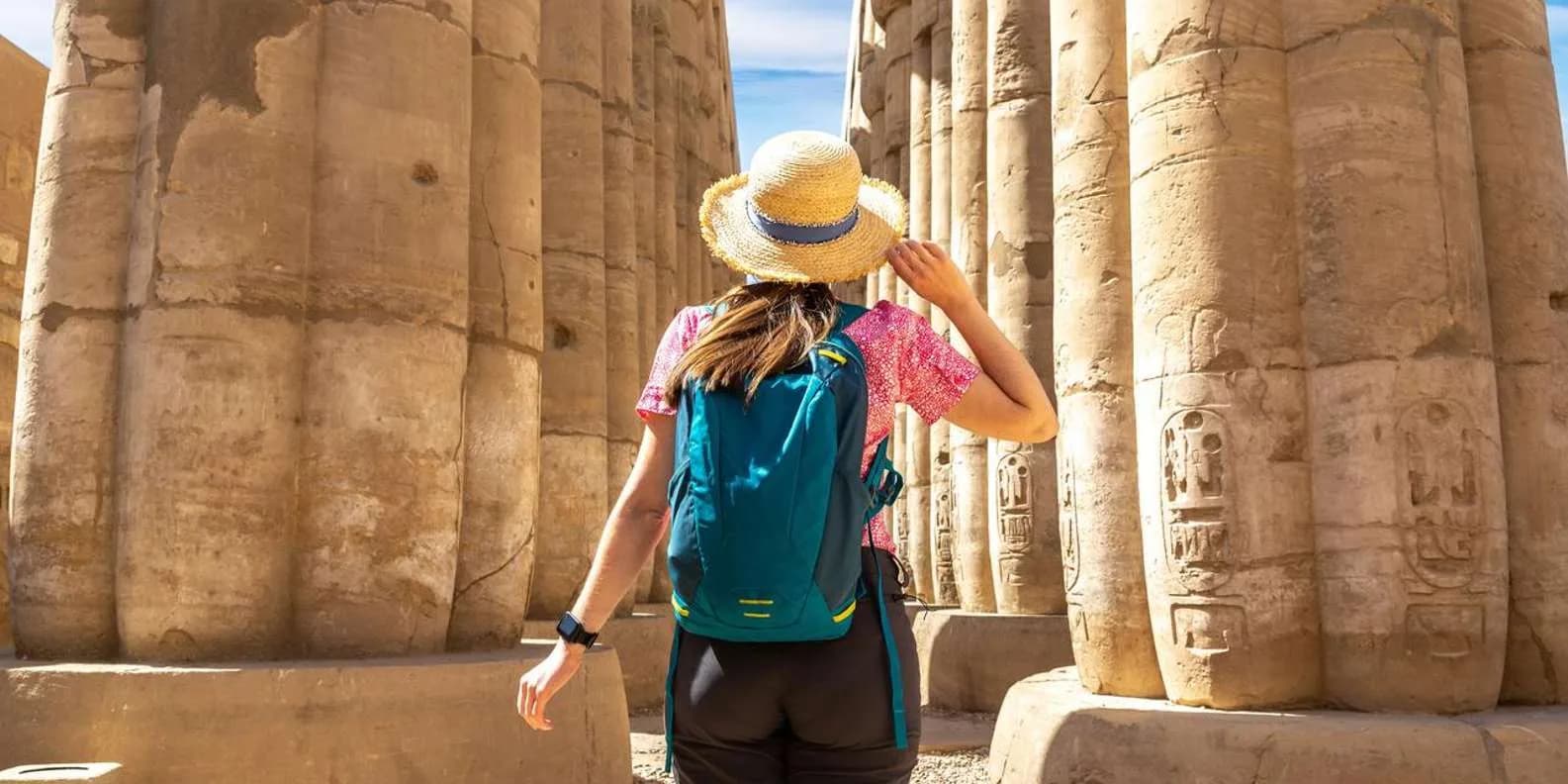
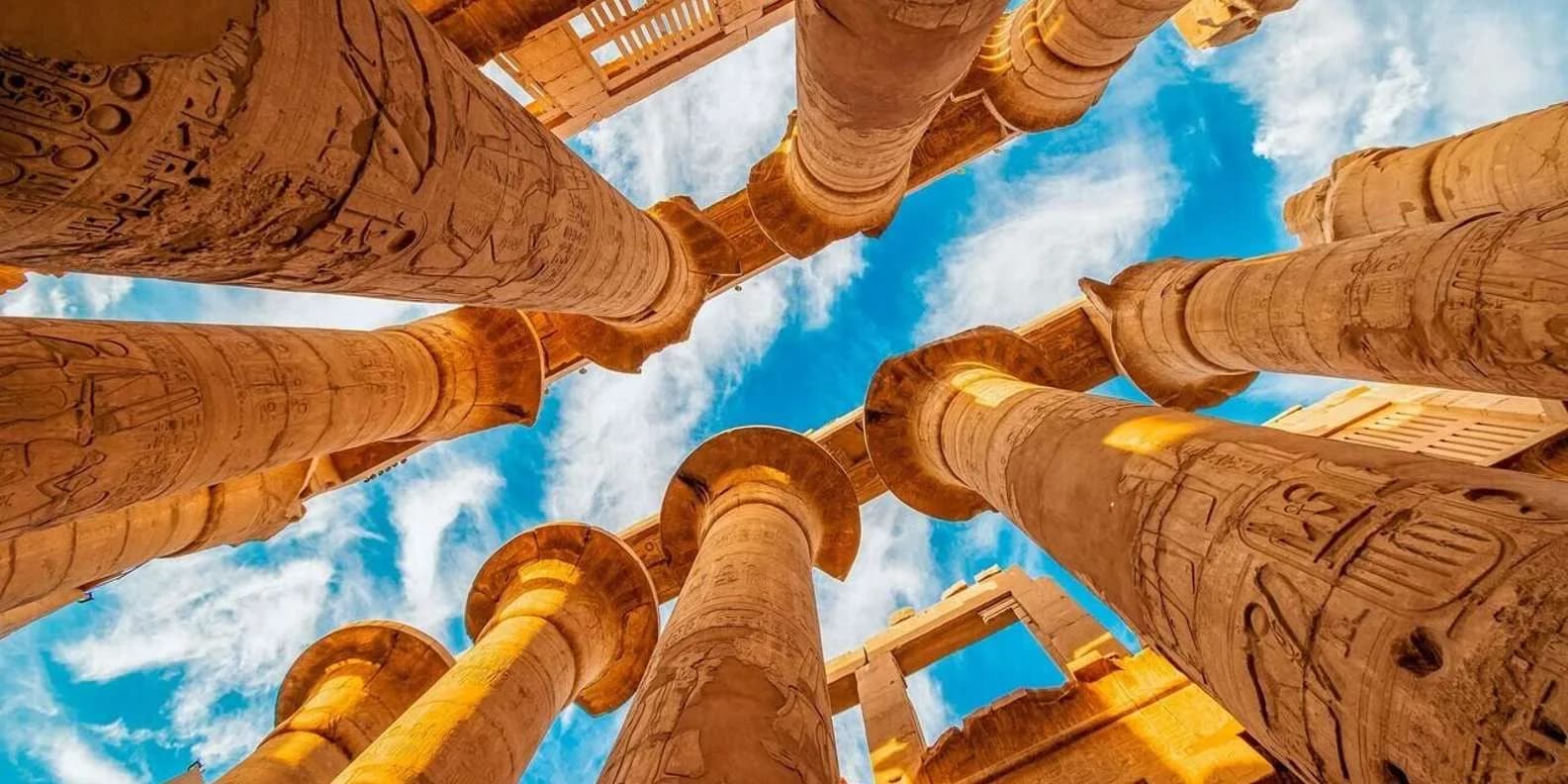
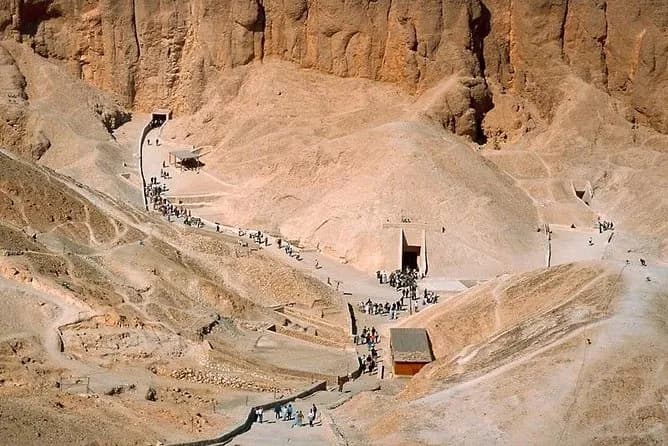
محفور داخل واد صحراوي جرداء خلف الضفة الغربية للأقصر، أخفى وادي الملوك مقابر فراعنة الدولة الحديثة في مصر لثلاثة آلاف عام، وما زالت جدرانه المزخرفة بالألوان زاهية إلى حد أنها تبدو وكأنها اكتملت للتو. لكن الزيارة تربك زائريها لأول مرة: فهناك 63 مقبرة معروفة، ولا يُفتح منها في وقت واحد سوى عدد قليل متبدل، ويفرض بعضها رسمًا إضافيًا. إليك كيف تزوره بشكل جيد وتحصل على أقصى استفادة من صباح حار ومزدحم لا يُنسى. شاهده على الخريطة التفاعلية.
لماذا اختار الفراعنة هذا الوادي
بعد قرون من بناء الأهرامات التي كانت عمليًا تعلن "اسرقني"، جرّب ملوك الدولة الحديثة استراتيجية جديدة نحو عام 1500 قبل الميلاد: مقابر منحوتة في الصخر ومخبأة في واد ناء على الضفة الغربية، تحرسها قمة طبيعية هرمية الشكل، القرن. لم تنجح الفكرة تمامًا (فقد نُهبت كل مقبرة تقريبًا في العصور القديمة)، لكنها حفظت بعضًا من أروع الرسوم في العالم القديم، مختومة في ظلام الصحراء الجافة.
كيف تعمل التذكرة
تسمح لك التذكرة العادية بدخول ثلاث مقابر مفتوحة، وتتغير هذه المقابر الثلاث دوريًا كي تتمكن السلطات من إراحة أكثرها هشاشة من ذوات الرسوم. وتحمل بعض المقابر الشهيرة رسومًا منفصلة إضافية عند بواباتها الخاصة، وأبرزها سيتي الأول (KV17) وتوت عنخ آمون (KV62) ورمسيس السادس (KV9). اشترِ التذاكر من مركز الزوار، حيث ينقلك قطار كهربائي صغير (التفتاف) صعودًا إلى مجموعات المقابر.
أي المقابر تعطيها الأولوية
- سيتي الأول (KV17)، برسم إضافي، ويستحق كل جنيه: أطول مقبرة في الوادي بطول 137 مترًا وأكثرها إتقانًا في الزخرفة، فأسقفها ونقوشها بالكاد بهتت. إن كانت مفتوحة وفي حدود الميزانية، فاجعلها الخيار الأول.
- رمسيس السادس (KV9)، برسم إضافي، ويشتهر بسقفه الفلكي الذي يصوّر الإلهة نوت وهي تبتلع الشمس وتلدها.
- توت عنخ آمون (KV62)، برسم إضافي: صغيرة ومتواضعة مقارنة بالمقابر الأفخم، إذ إن كنزه يقيم الآن في المتحف المصري الكبير، لكنه توت عنخ آمون، وما زالت مومياؤه هنا في المقبرة.
- من ضمن التناوب العادي، تتميز رمسيس الثالث (KV11) ورمسيس التاسع (KV6) بألوانها الموثوقة وتستحق بجدارة مقابرك الثلاث المشمولة.
- خلف الحيد مباشرةً، يضم وادي الملكات مقبرة نفرتاري (QV66)، وهي تذكرة مميزة منفصلة بدخول محدود ومحدد بموعد، وكثيرًا ما تُوصف بأنها أجمل مقبرة مزخرفة في كل مصر.
نصائح عملية
- اذهب عند الافتتاح. الوادي مصيدة للشمس تشتعل حرارتها بحلول منتصف الصباح، فالوصول مبكرًا يعني هواءً أبرد وضوءًا أنعم ومقابر أقل ازدحامًا.
- التصوير يتطلب تذكرة تصوير منفصلة، والقواعد أكثر صرامة في المقابر المميزة، فتحقق عند وصولك.
- المرشد يضيف الكثير، لكنه لا يستطيع الدخول معك إلى المقابر. لا يُسمح للمرشدين بالشرح في الداخل، لذا فإن عالم المصريات الخاص الجيد يعرّفك بكل شيء بدقة خارج كل مقبرة، ثم تدخل أنت بمفردك، وهذا أفضل ترقية على الإطلاق.
- البس أحذية مغلقة، واحمل الماء، ووزّع مجهودك، فالمقابر تنطوي على منحدرات هابطة شديدة ومشي كثير على أرض حارة.
اجمعها مع بقية الضفة الغربية
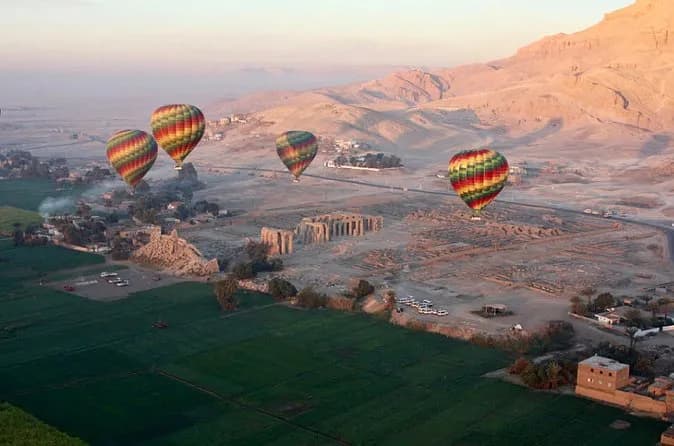
وادي الملوك هو العنوان الرئيسي، لكن الضفة الغربية تضم أكثر من ذلك بكثير: معبد حتشبسوت المدرّج، وقرية الحرفيين دير المدينة، ومعبد مدينة هابو الجنائزي الغني بالألوان، وتمثالي ممنون المنفردين، إضافة إلى شروق الشمس الذي لا يُضاهى من منطاد الهواء الساخن. يغطي نصف يوم المقابر، أما اليوم الكامل فينصف الضفة حقها. للحصول على الصورة الكاملة للأقصر، راجع دليل السفر إلى الأقصر ودليل السفر إلى مصر 2026.
تحدّث مع شخص حقيقي — مجاناً
سيف والفريق يردّون على واتساب على مدار الساعة — أسئلة الرحلة، خطط مخصّصة والمساعدة في الحجز.
اسأل سيف على واتسابأسئلة شائعة
كيف تعمل تذكرة وادي الملوك؟
تسمح لك التذكرة العادية بدخول ثلاث مقابر مفتوحة، وتتناوب هذه الثلاثة لحماية المقابر الهشة. وتحمل عدة مقابر شهيرة، وهي سيتي الأول (KV17) وتوت عنخ آمون (KV62) ورمسيس السادس (KV9)، رسومًا إضافية منفصلة وتستحق تخصيص ميزانية لها إن كانت مفتوحة.
ما أفضل المقابر في وادي الملوك؟
سيتي الأول (KV17) هي الأطول والأجمل زخرفة (برسم إضافي)؛ ورمسيس السادس (KV9) لها سقف فلكي مذهل. ومن ضمن التناوب العادي، رمسيس الثالث والتاسع مزخرفتان بألوان زاهية. وخلف الحيد، مقبرة نفرتاري (QV66) في وادي الملكات استثنائية.
هل تستحق مقبرة توت عنخ آمون الزيارة؟
إنها صغيرة ومتواضعة بجانب المقابر الأفخم وتحمل رسمًا إضافيًا، لكنها توت عنخ آمون، وما زالت مومياؤه في الموقع، ويرغب كثير من الزوار في الوقوف بداخلها. أما كنزه الفعلي فيُعرض الآن في المتحف المصري الكبير في الجيزة.
ما أفضل وقت لزيارة وادي الملوك؟
في أبكر وقت ممكن، إذ يصبح الوادي شديد الحرارة بحلول منتصف الصباح، فالذهاب عند الافتتاح يعني هواءً أبرد وضوءًا أنعم وعددًا أقل بكثير من الناس داخل المقابر الضيقة.
هل يستطيع المرشد الدخول معك إلى المقابر؟
لا، لا يُسمح للمرشدين بالشرح داخل المقابر. يعرّفك عالم المصريات الخاص الجيد بكل شيء بدقة خارج كل مقبرة، ثم تستكشف أنت الداخل بنفسك، وهذا يثري الزيارة كثيرًا رغم ذلك.
احجزها على This is Egypt
حوّل هذا الدليل إلى رحلة


الأكثر مبيعًا في مصر
التجارب الأكثر حجزًا من المسافرين في كل أنحاء البلاد




المعالم في هذا الدليل
تابع القراءة

الغوص في الغردقة (2026): أفضل المواقع والباقات والأسعار
الغوص في الغردقة — أجمل الشعاب (جفتون، كيرلس ريف، بيت الدلافين)، الغطسات التعريفية مقابل دورات PADI، أسعار حقيقية لعام 2026 من أكثر من 160 رحلة، وأعلى أيام الغوص تقييمًا.
بقلم TiE Editors7 د قراءة

رحلات الغطس (السنوركل) في الغردقة (2026): أفضل الشعاب والأسعار وكيفية الاختيار
أفضل الشعاب والجزر للغطس انطلاقًا من الغردقة — Orange Bay وجزيرة الجفتون وبيت الدلافين — مع أسعار حقيقية لعام 2026 مستمدة من أكثر من 880 رحلة قابلة للحجز، إضافة إلى الموسم والحياة البحرية والنصائح التي تحتاجها.
بقلم TiE Editors7 د قراءة

أسعار الرحلات في مصر حسب النشاط (2026): كم يكلفك كل نوع فعليًا
كم يكلفك فعليًا كل نوع من تجارب مصر — من ركوب الجمل بـ 1,700 جنيه إلى رحلة نيلية بـ 48,500 جنيه — استنادًا إلى 29,710 رحلة حقيقية قابلة للحجز عبر سبع منصات.
بقلم TiE Editors6 د قراءة