Das Nubische Museum in Assuan: Ägyptens bester Geheimtipp
Ein kompakter Führer zum Nubischen Museum in Assuan – die Geschichte Nubiens, die vor dem Nassersee geretteten Schätze, Tickets, Öffnungszeiten und warum es eine Stunde Ihres Tages verdient.
Das Nubische Museum ist die beste Stunde, die Sie in Assuan drinnen verbringen. Es erzählt die Geschichte Nubiens – der alten Zivilisation Südägyptens und des nördlichen Sudans – und zeigt die Schätze, die gerettet wurden, als der Nassersee die alte nubische Heimat hinter dem Assuan-Hochdamm überflutete. Es wurde 1997 eröffnet, 2001 mit dem Aga-Khan-Preis für Architektur ausgezeichnet und liegt eine kurze Fahrt südlich des Zentrums, nahe dem Old Cataract Hotel. Kommen Sie in der Nachmittagshitze: Es ist kühl, ruhig und selten überlaufen.
Die meisten Besucher nutzen Assuan nur als Ausgangspunkt für Tempel und Feluken und lassen diesen Ort völlig links liegen. Ein Fehler. Nirgendwo sonst wird die nubische Kultur so verständlich, die Ihnen in den bunt bemalten Dörfern Assuans begegnet – woher sie kommt, was verloren ging und was überlebt hat.
Warum es das Museum gibt
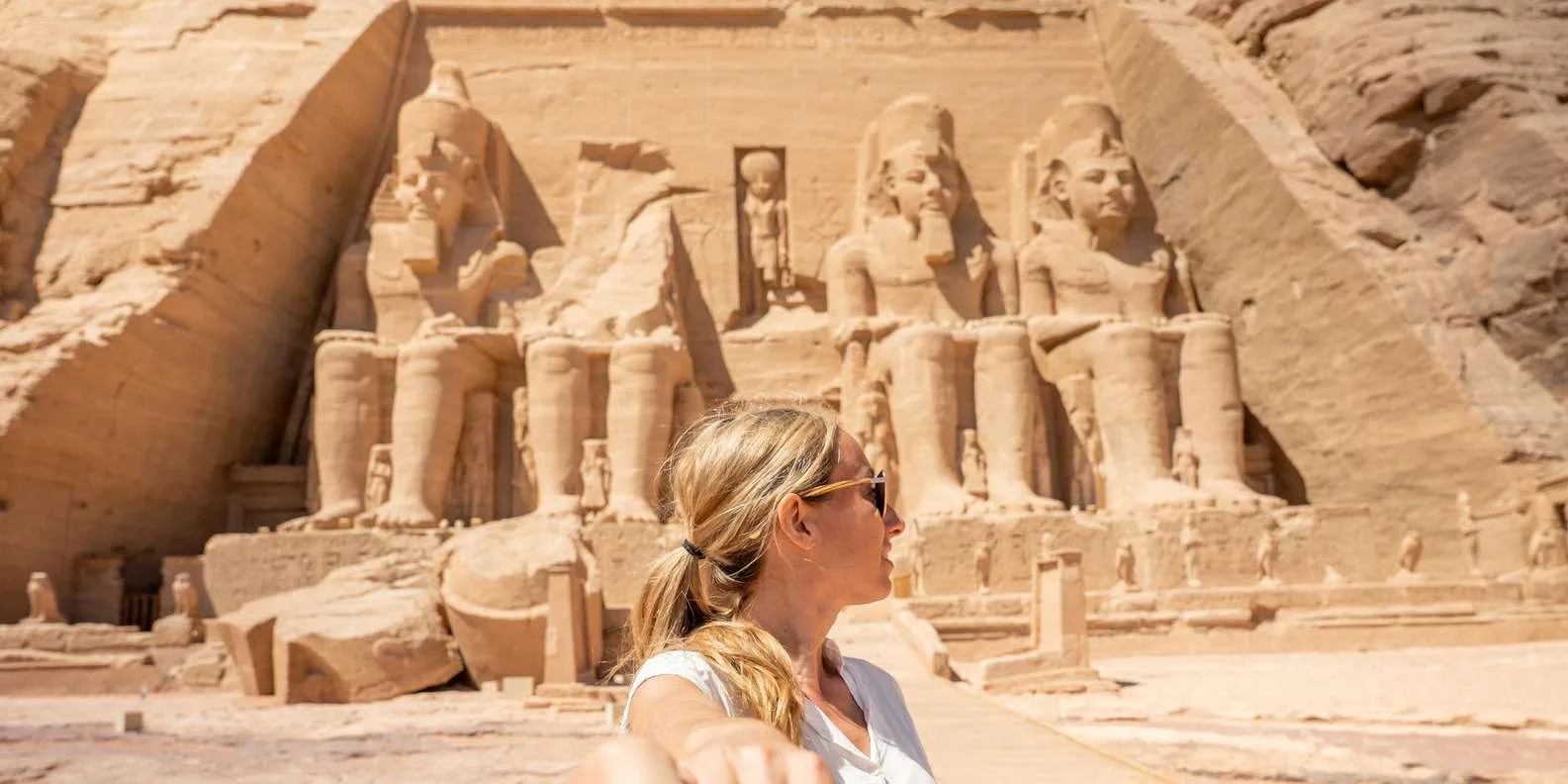
Als der Hochdamm in den 1960er-Jahren gebaut wurde, überflutete der dadurch entstandene Stausee – der Nassersee – Hunderte Kilometer Niltal südlich von Assuan. Alte Tempel, Dörfer, Friedhöfe und Felszeichnungen verschwanden unter dem steigenden Wasser. Die UNESCO startete eine der größten archäologischen Rettungskampagnen der Geschichte: Teams schnitten Abu Simbel aus seinem Felsen und bauten es auf höherem Grund wieder auf, versetzten den Philae-Tempel Stein für Stein und gruben aus, was sie konnten, bevor die Flut kam.
Im Nubischen Museum lebt heute ein Großteil dieses geretteten Erbes, und hier wird die ganze Geschichte erzählt. Betrachten Sie es als ebenerdiges Gegenstück zu Philae und Abu Simbel – die Tempel zeigen Ihnen die Monumente, das Museum erklärt die Zivilisation und das Opfer, das ihre Rettung bedeutete. Zehntausende Nubier wurden zudem nach Assuan, Kom Ombo und darüber hinaus umgesiedelt, und das Museum würdigt diese lebendige Vertreibung, nicht nur die Altertümer.
Was drinnen zu sehen ist
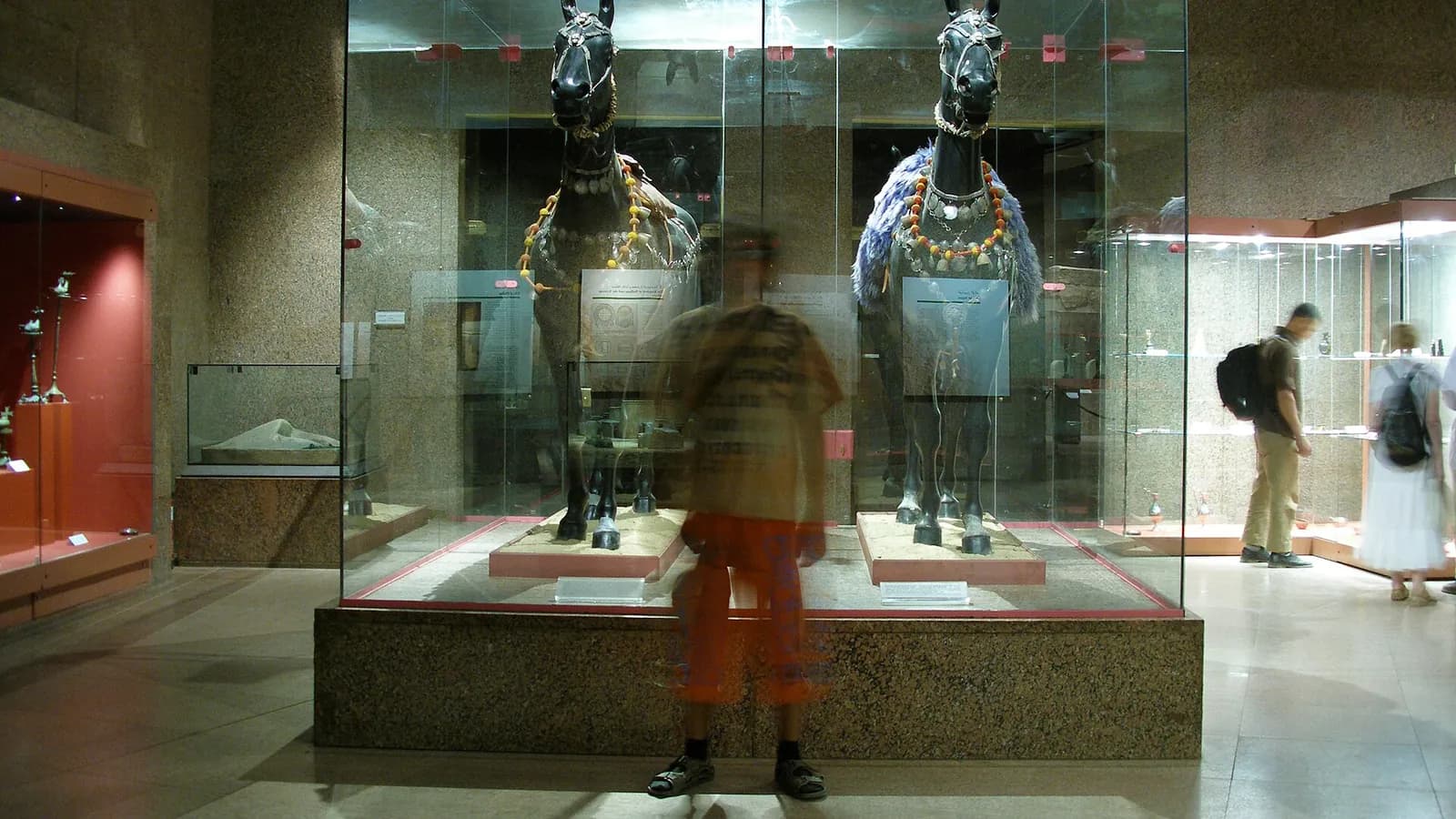
Die Sammlung ist chronologisch geordnet, von der Vorgeschichte bis zur islamischen Epoche, sodass Sie den gesamten Bogen der Region in einem Rundgang durchlaufen. Zu den Höhepunkten gehören:
- Vorgeschichte – Steinwerkzeuge, Keramik und Felskunst von Menschen, die vor 6.000 Jahren und länger am Nil lebten.
- Pharaonisches Nubien – eine kolossale Statue Ramses' II., königliche Bildwerke und Funde aus dem Königreich von Kusch, als nubische Könige als 25. Dynastie über Ägypten herrschten.
- Die Rettungskampagne – Modelle, Fotografien und Ausstellungsstücke dazu, wie Abu Simbel und Philae zerlegt und versetzt wurden.
- Koptisches und islamisches Nubien – die Region lange nach den Pharaonen, durch die christliche und dann die muslimische Epoche.
- Das ethnografische Diorama – eine lebensgroße Nachbildung eines traditionellen nubischen Dorfes: Häuser, Handwerk, Hochzeiten, Musik und Alltag. Das bleibt in Erinnerung.
Die Beschriftungen sind zweisprachig (Arabisch und Englisch), der Rundgang ist leicht zu folgen, und das ganze Haus ist klimatisiert und ruhig.
Das Gebäude und die Gärten
Das Museum ist schon als Architektur einen Besuch wert – daher der Aga-Khan-Preis. Der Architekt Mahmoud El-Hakim verwendete lokalen Assuan-Stein und einen niedrigen, terrassierten Entwurf, der eher an ein nubisches Dorf erinnert, als der Wüstenlandschaft entgegenzuwirken. Wasserflächen sind eine Anspielung auf den Nil.
Eilen Sie nicht gleich hinaus. In den Gärten stehen ein rekonstruiertes nubisches Haus, durch das Sie gehen können, ein Freilicht-Amphitheater und eine kleine prähistorische Höhle mit Felsgravuren. Gönnen Sie sich zehn Minuten draußen, wenn Sie die Säle gesehen haben.
Kombinieren Sie es mit dem Besuch eines nubischen Dorfes
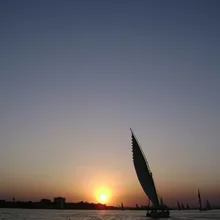
Das Museum funktioniert am besten als erste Hälfte eines nubischen Tages. Besuchen Sie es am Nachmittag und nehmen Sie dann ein Boot hinüber zu einem nubischen Dorf am Westufer – Gharb Soheil ist das beliebteste – zum Sonnenuntergang. Sie werden durch dieselben bunten Gassen laufen, die das Diorama nachbildet, Hibiskustee trinken und die Kultur lebendig erleben statt hinter Glas. Das Museum liefert den Kontext, das Dorf das Gefühl. Unser Führer Aktivitäten in Assuan stellt die schönsten Dorfausflüge vor und erklärt, wie Sie eine Feluke organisieren.
Tickets, Öffnungszeiten und wie lange man bleiben sollte
| Detail | Information |
|---|---|
| Öffnungszeiten | 9:00 – 17:00 Uhr täglich (Kasse schließt gegen 16:45). Do & Fr zusätzlich ~18:00–21:00 Uhr |
| Ticket | Etwa 60–100 EGP für ausländische Erwachsene (~1,50–2 US$); günstiger für Studierende und Ägypter |
| Dauer | 1 bis 1,5 Stunden reichen |
| Beste Zeit | Nachmittag – kühle Flucht vor der Hitze |
| Lage | ~1,5 km südlich des Zentrums von Assuan, nahe dem Old Cataract Hotel |
| Anfahrt | 5–10 Minuten Taxi von der Corniche; leicht mit dem Old Cataract oder einem Felukenanleger zu verbinden |
Preise und Zeiten ändern sich, prüfen Sie sie also am Tag selbst. Die Tickets sind unter jedem Gesichtspunkt günstig – dies ist einer der Stopps mit dem besten Preis-Leistungs-Verhältnis in Ägypten.
Für das große Ganze – wann man kommen sollte, wo man übernachtet und wie viele Tage Assuan verdient – lesen Sie unseren Reiseführer für Assuan. Um tiefer in den Tempel einzutauchen, der diese Geschichte teilt, lesen Sie den Führer zum Philae-Tempel.
Machen Sie das zu einem Höhepunkt Ihrer Reise – This is Egypt stellt maßgeschneiderte Reiserouten rund um die Orte zusammen, die Sie am meisten sehen möchten. Planen Sie jetzt Ihre Tage in Assuan.
Chatte mit einem echten Menschen — kostenlos
Seif und das Team antworten rund um die Uhr auf WhatsApp — Reisefragen, individuelle Pläne und Buchungshilfe.
Seif auf WhatsApp fragenHäufige Fragen
Lohnt sich ein Besuch im Nubischen Museum?
Ja – es ist einer der lohnendsten und am meisten unterschätzten Stopps in Assuan. Es ist der einzige Ort, der die nubische Zivilisation und das vor dem Nassersee gerettete Erbe erklärt, es ist günstig, kühl und selten überlaufen, und es macht die Tempel und Dörfer, die Sie danach sehen, weit bedeutungsvoller.
Wie viel kostet das Nubische Museum?
Etwa 60–100 EGP für ausländische Erwachsene (rund 1,50–2 US$), mit ermäßigten Tarifen für Studierende und ägyptische Staatsbürger. Ein hervorragendes Preis-Leistungs-Verhältnis. Preise ändern sich, prüfen Sie sie also am Eingang.
Wie sind die Öffnungszeiten des Nubischen Museums?
In der Regel täglich 9:00 bis 17:00 Uhr, wobei die Kasse gegen 16:45 schließt. Donnerstags und freitags öffnet es oft abends noch einmal, etwa von 18:00 bis 21:00 Uhr. Erkundigen Sie sich vor Ort, da die Zeiten saisonal schwanken.
Wie viel Zeit braucht man im Nubischen Museum?
Ein bis anderthalb Stunden reichen bequem für die Säle, das Diorama und die Gärten. Interessierte können länger verweilen; ein schneller Rundgang dauert etwa 45 Minuten.
Wo liegt das Nubische Museum?
Rund 1,5 km südlich des Zentrums von Assuan, nahe dem Old Cataract Hotel. Es ist eine 5–10-minütige Taxifahrt von der Corniche und lässt sich leicht mit einer Felukenfahrt oder einem Besuch des Old Cataract verbinden.
Was kann man im Nubischen Museum sehen?
Artefakte von der Vorgeschichte bis zur islamischen Epoche – darunter eine kolossale Statue Ramses' II., Bildwerke aus dem Königreich von Kusch und Funde aus der UNESCO-Rettungskampagne – sowie ein lebensgroßes Diorama, das ein traditionelles nubisches Dorf mit seinen Häusern, seinem Handwerk und seiner Musik nachbildet.
Warum wurde das Nubische Museum gebaut?
Um die Geschichte Nubiens zu bewahren und zu erzählen, nachdem der Assuan-Hochdamm in den 1960er-Jahren den Nassersee schuf und die nubische Heimat überflutete. Es beherbergt das während der internationalen UNESCO-Kampagne gerettete Erbe, die auch Abu Simbel und Philae bewahrte, und würdigt die anderswo neu angesiedelten Nubier.
Kann man das Nubische Museum und ein nubisches Dorf am selben Tag besuchen?
Ja, und es ist die ideale Kombination. Besuchen Sie das Museum am Nachmittag für den Kontext und nehmen Sie dann ein Boot zu einem nubischen Dorf wie Gharb Soheil am Westufer zum Sonnenuntergang, um die lebendige Kultur hautnah zu erleben.
Jetzt buchen auf This is Egypt
Mach aus diesem Reiseführer deine Reise


Ägyptens Bestseller
Die meistgebuchten Erlebnisse im ganzen Land





Weiterlesen
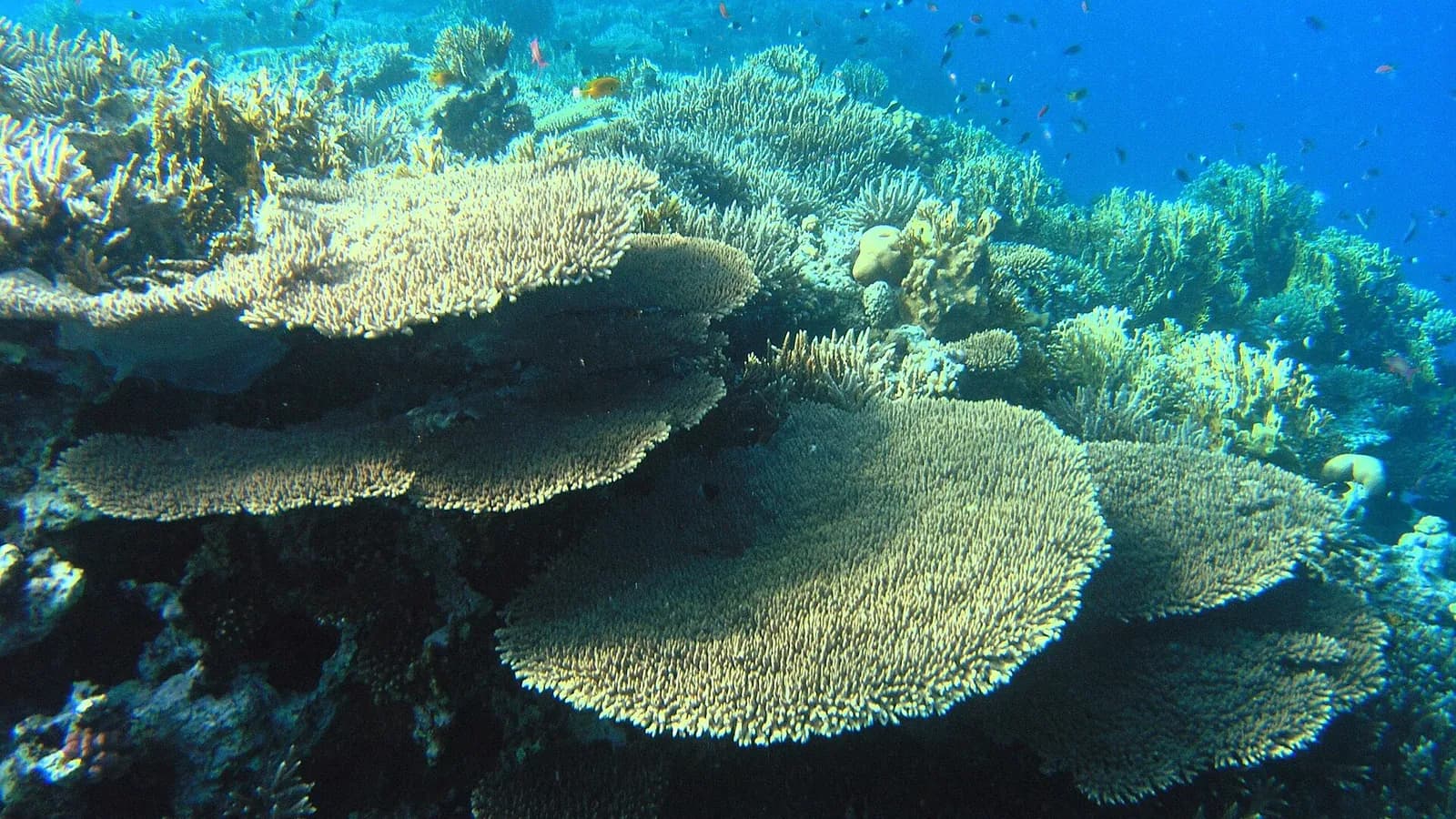
Tauchen in Hurghada (2026): die besten Tauchplätze, Pakete und Preise
Tauchen in Hurghada — die besten Riffe (Giftun, Careless Reef, Dolphin House), Schnuppertauchen oder PADI-Kurse, echte Preise 2026 aus über 160 Ausfahrten und die bestbewerteten Tauchgänge.
Von TiE Editors7 Min. Lesezeit
Schnorcheln in Hurghada (2026): die besten Riffe, Preise und wie du wählst
Die besten Riffe und Inseln zum Schnorcheln ab Hurghada — Orange Bay, Giftun, Dolphin House — mit echten Preisen 2026 aus über 880 buchbaren Ausflügen, plus Saison, Meereswelt und Tipps.
Von TiE Editors7 Min. Lesezeit
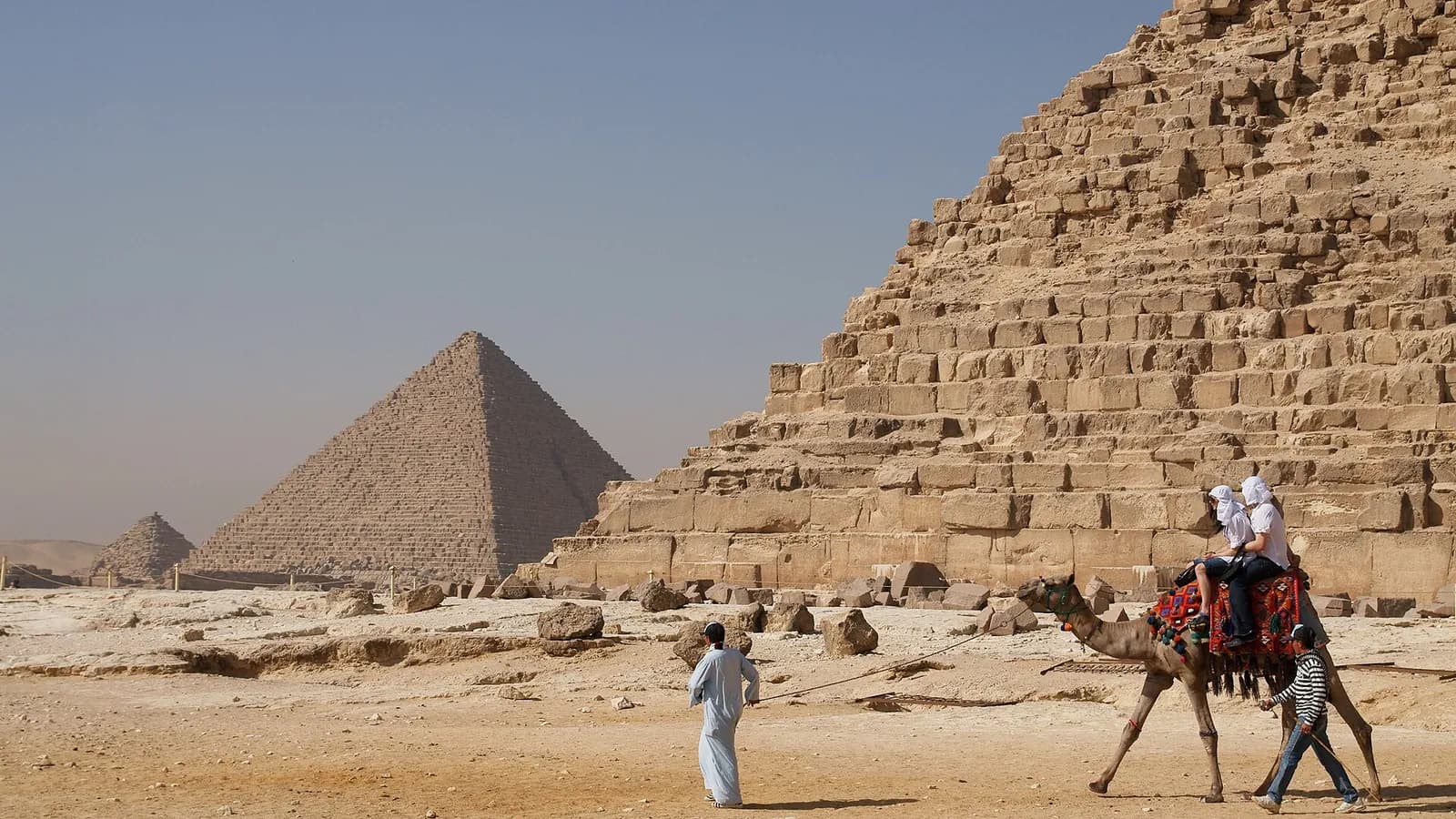
Ägypten-Tourpreise nach Aktivität (2026): Was jede Art wirklich kostet
Was jede Art von Ägypten-Erlebnis tatsächlich kostet – vom 1.700-EGP-Kamelritt bis zur 48.500-EGP-Nilkreuzfahrt – auf Basis von 29.710 echten buchbaren Touren über sieben Plattformen.
Von TiE Editors6 Min. Lesezeit