
Do You Need a Visa for Egypt? (2026)
Most visitors need a visa for Egypt, here's the clear version: the official e-Visa, visa on arrival, exact costs, the Sinai-only exemption, and how to dodge the copycat websites.
Quick answer: Egypt's entry rules sound complicated and mostly are not. For the great majority of travellers, getting into the country comes down to a five-minute online form or a stamp at the airport. The detail is still worth knowing, because a couple of traps can cost you time or money, and the fees changed in early 2026. Here is the clear, current version.
The short answer
Most visitors need a tourist visa, and for the top nationalities, US, UK, EU, Canada, Australia, New Zealand, Japan and others, you have two easy routes: the online e-Visa or a visa on arrival. Both cost around US$30, both give you 30 days, and either is fine for a normal holiday. A smaller group of nationalities enters visa-free, and a short list needs a pre-arranged visa with security clearance. Rules are tied to your passport, not where you live, so confirm your own nationality's status on an official source before you book anything.
The rest of this guide walks through each route, what changed in 2026, the Sinai-only permit that trips people up, and the mistakes that are easy to sidestep.
Do you actually need a visa?
There are three broad categories, and which one you fall into depends entirely on your passport:
- Visa-free: around 20 nationalities can enter for short stays without any visa, including several Arab and African countries. If that is you, you get a free entry stamp and nothing else to arrange.
- Visa required, easy route: roughly 116 nationalities, including nearly all Western travellers, qualify for both the e-Visa and visa on arrival. This is the big middle group and the one most readers fall into.
- Pre-arranged visa only: nationals of a short list of countries, among them Afghanistan, Syria, Iran, and a few others, plus some travel-document holders, need security clearance and must apply through an Egyptian embassy or consulate well in advance. Visa on arrival and the standard e-Visa are not options for this group.
When in doubt, check the official e-Visa portal, which lists eligibility by nationality, or your nearest Egyptian consulate. Do not rely on a tour operator's summary, including this one, as the final word for your specific passport.
Route 1: The e-Visa (online, recommended)
The e-Visa is the route we recommend for most people. You apply online before you fly through the official government portal, visa2egypt.gov.eg, upload a passport scan, pay by card, and wait for an emailed approval.
As of 2026 the fees rose: it is now about US$30 for single-entry and US$65 for multiple-entry. The single-entry e-Visa is valid for three months from approval and lets you stay up to 30 days. The multiple-entry version is valid for six months and lets you come and go, with each stay capped at 30 days, which is worth it only if your trip loops out to Jordan or elsewhere and back.
Approval usually lands within a few business days, but apply at least a week ahead to be safe. When it arrives, print the approval PDF and carry a paper copy; do not rely on phone signal or a screenshot at immigration. The upside of the e-Visa is that everything is settled before you travel, so you walk straight to the passport desk instead of queuing at a bank kiosk first.
Route 2: Visa on arrival
The visa on arrival (VOA) is available to the same broad group of nationalities at the major airports, Cairo, Hurghada, Sharm el-Sheikh, Luxor, Marsa Alam and others. The fee rose to US$30 on 1 March 2026, paid in cash, with clean US dollar notes by far the simplest currency to hand over.
The process: after you clear the aircraft but before you reach the immigration desk, you buy a visa sticker from a bank kiosk in the arrivals hall, stick it in your passport, then join the immigration line. It is genuinely quick when the hall is quiet, but it means queuing twice after a long flight, and the kiosk only takes cash. VOA is single-entry and gives the same 30-day stay.
e-Visa vs visa on arrival: which is better?
For most travellers the e-Visa edges it, purely because it removes a step and a variable from arrival day. But neither is wrong, and the right pick depends on your situation.
| e-Visa | Visa on arrival | |
|---|---|---|
| Where | Online, before you fly | Airport bank kiosk on landing |
| Cost (2026) | ~US$30 single / US$65 multiple | ~US$30 single |
| Payment | Card, online | Cash, US dollars easiest |
| Stay | 30 days | 30 days |
| Validity | 3 months (single) / 6 months (multiple) | Use immediately |
| Multiple-entry | Yes (US$65 option) | No |
| Arrival speed | Straight to passport desk | Two queues: kiosk, then immigration |
| Best for | Planners, multi-entry trips, peace of mind | Last-minute bookers, anyone who forgot to apply |
Short version: apply online if you have a week's notice; use VOA as the reliable backup if you did not.
The Sinai-only permit (a useful loophole with a big catch)
Here is the one rule that catches beach travellers out. If you are flying only to a South Sinai resort, Sharm el-Sheikh, Dahab, Nuweiba or Taba, for up to 15 days and staying within that area, you can usually enter on a free Sinai-only entry permit stamped on arrival, with no visa and no fee.
The catch is significant: the permit does not allow travel to the rest of Egypt. That includes the pyramids at Giza, Cairo, Luxor, Aswan and the entire Nile Valley. The moment you want a day trip beyond the peninsula, even the classic Cairo-and-pyramids excursion so many resort guests book, you need a full tourist visa instead. In practice, excursion sellers or the airport desk can upgrade you to a full visa for around US$25 to US$30, but that is an extra errand mid-holiday. If there is any chance you will leave Sinai, just buy the full visa at the start and keep every option open. For help deciding what is worth the trip out, see our Egypt travel guide.
Passport validity and what to bring
Whichever route you take, the passport rules are the same and non-negotiable:
- Passport valid for at least six months beyond your arrival date. This is the single most common reason people are turned away, so check the expiry now.
- At least one blank page for the visa sticker or entry stamp.
- A card for the e-Visa or US-dollar cash for VOA, and it is smart to carry some dollar cash either way as a backup.
- A printed copy of your e-Visa approval, plus a phone photo of your passport and visa as a fallback.
Extensions and overstays
Your tourist visa gives you 30 days. If you need longer, tourist visas can usually be extended inside Egypt at a Passports and Immigration office, the main one is in Cairo, with branches in Alexandria, Hurghada, Sharm el-Sheikh and Luxor. Expect to bring passport photos and proof of where you are staying.
On overstays, Egypt currently allows a short grace period of around 14 days after expiry, during which you can leave via the airport without penalty. Beyond that, fines apply and are settled in cash at the airport before you fly out; they climb the longer you stay. None of this is worth risking for the sake of loose planning: note your 30-day window against your flight home and you will never think about it again.
Common mistakes to avoid
- Copycat visa sites. Search results are crowded with unofficial "visa agent" sites that look official and charge two to four times the real price for the same e-Visa. Apply only at visa2egypt.gov.eg. If a site wants far more than the figures above, it is not the official one.
- Assuming the Sinai stamp covers the pyramids. It does not. Beach-plus-Cairo trips need a full visa.
- A passport under six months to expiry. Renew before you travel, not at the airport.
- Leaving VOA cash to chance. The kiosk is cash-only; bring clean US dollars.
- Applying the day before you fly. e-Visas usually approve fast, but give it a week.
Plan the rest of the trip
With entry sorted, the fun part is the itinerary. Pick your season with our best time to visit Egypt guide, set a realistic budget using the Egypt trip cost breakdown, then browse tours and experiences to build out your days on the ground.
One last reminder: visa rules can change, and they vary by nationality. Treat the figures here as an accurate 2026 snapshot, and confirm your own passport's requirements on the official portal before you book.

A real team available 24/7 to assist you — free
Seif and the team reply on WhatsApp 24/7 — trip questions, custom plans and booking help.
Ask Seif on WhatsAppCommon questions
Do I need a visa to visit Egypt?
Most visitors do. The simplest routes are the official e-Visa (about US$30 single-entry or US$65 multiple-entry, each for a 30-day stay), applied for online at visa2egypt.gov.eg before you fly, or a visa on arrival at major airports (US$30, cash). Around 20 nationalities enter visa-free, and a short list needs a pre-arranged embassy visa, so always check your own passport's rules.
How much does an Egypt visa cost in 2026?
Fees rose in early 2026. The e-Visa is now roughly US$30 for single-entry and US$65 for multiple-entry. Visa on arrival went up to US$30 on 1 March 2026, paid in cash. Always use the official portal; copycat agent sites charge two to four times as much for the same visa.
Where do I apply for the Egypt e-Visa?
Only through the official government portal at visa2egypt.gov.eg. Many top search results are unofficial agents with inflated fees. If the price is well above US$30 to US$65, it is not the official site.
Is the e-Visa or visa on arrival better?
For most people the e-Visa is smoother because it is settled before you travel, so you walk straight to the passport desk. Visa on arrival is a fine backup if you booked last-minute, but it means a cash-only bank kiosk and a second queue after your flight. If you want multiple entries, only the e-Visa offers that.
Do I need a visa for Sharm el-Sheikh?
If you fly only to a South Sinai resort (Sharm, Dahab, Nuweiba, Taba) for up to 15 days and stay in that area, you can usually get a free Sinai-only entry permit on arrival. But it does not cover the pyramids, Cairo or the Nile Valley. For any excursion beyond Sinai you need a full tourist visa, which you can upgrade to for about US$25 to US$30.
How long can I stay in Egypt on a tourist visa?
Up to 30 days on a standard tourist visa. A single-entry e-Visa is valid for three months from approval and a multiple-entry one for six months, but each individual stay is still capped at 30 days. Your passport must be valid for at least six months beyond arrival.
Can I extend my Egypt visa or what happens if I overstay?
Tourist visas can usually be extended at a Passports and Immigration office in Cairo, Alexandria, Hurghada, Sharm el-Sheikh or Luxor. Egypt currently allows a grace period of around 14 days after expiry to leave without penalty; beyond that, fines apply and are paid in cash at the airport before departure.
What passport requirements do I need to enter Egypt?
Your passport must be valid for at least six months beyond your arrival date and have at least one blank page for the visa sticker or entry stamp. Bring a card for the e-Visa or US-dollar cash for a visa on arrival, and carry a printed copy of any e-Visa approval.
Egypt's bestsellers
The experiences travelers book most, across the country









Keep reading

Hurghada Diving (2026): Best Sites, Packages & Prices
Diving in Hurghada — the best reefs (Giftun, Careless Reef, Dolphin House) and Abu Nuhas wrecks, Discover Scuba vs PADI courses, season and water temps, and real 2026 prices.
By TiE Editors7 min read
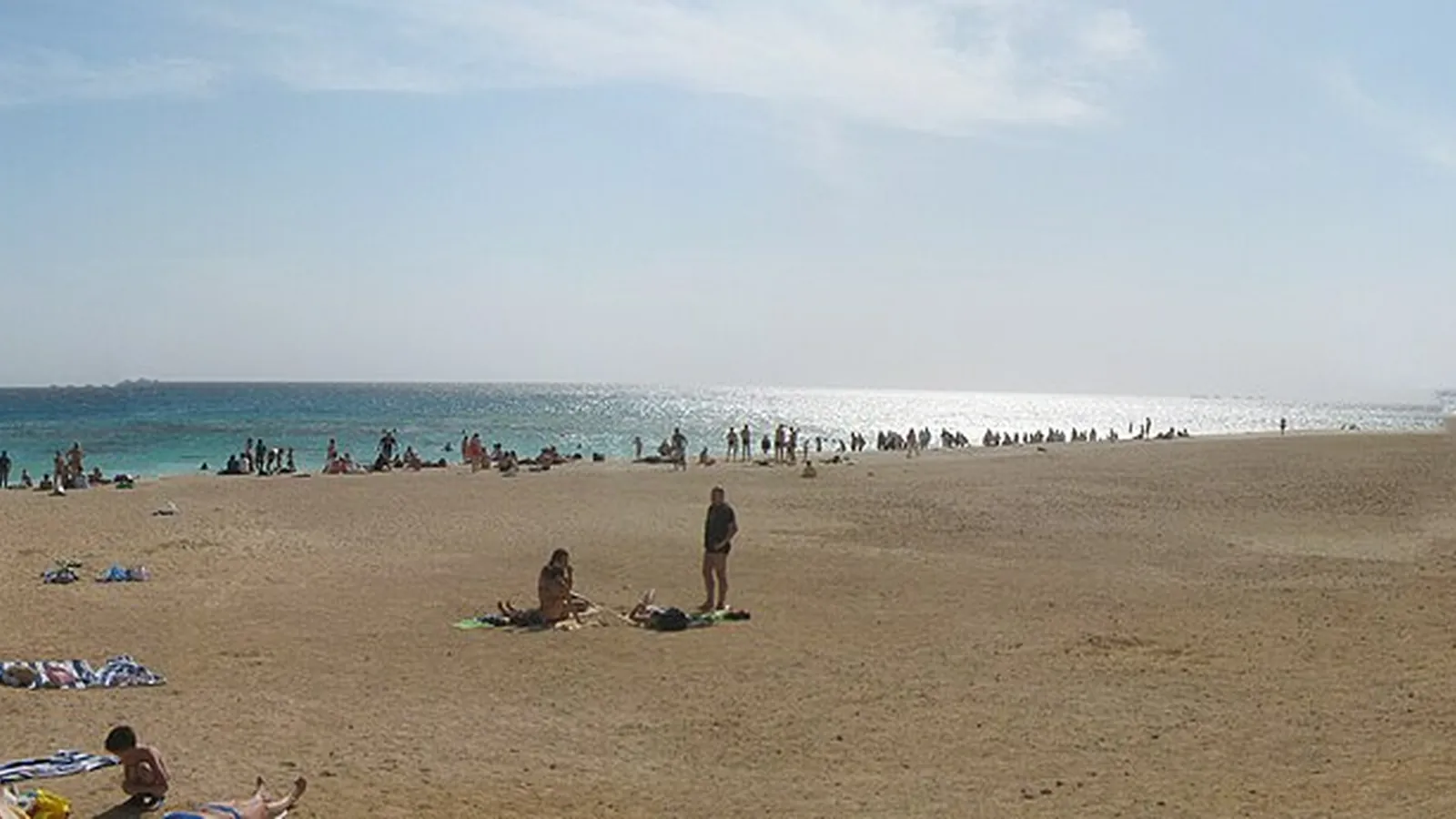
Hurghada Snorkeling Trips (2026): Best Reefs, Prices & How to Choose
Where to snorkel from Hurghada in 2026 — Orange Bay, Giftun, Mahmya, Utopia and Dolphin House — with boat types, marine life, month-by-month sea temperatures, family tips and real prices from 1,000+ bookable trips.
By TiE Editors7 min read
Egypt Tour Prices by Activity (2026): What Each Type Really Costs
What every type of Egypt experience costs — half day, full day or overnight — as a median and a mid-half range in US dollars, from 12,370 live bookable listings.
By TiE Editors6 min read