
Egypt Scams & Tourist Traps: How to Avoid Them (2026)
From the pyramid ‘free gift’ to camel price switches and taxi overcharging, here's how to spot Egypt's common tourist traps and handle them calmly, without ruining your trip.
Quick answer: Egypt is one of the safest and most rewarding destinations in the world for travelers — violent crime against tourists is rare, and the vast majority of Egyptians you meet will be genuinely hospitable. But like any major tourism economy built around a handful of iconic sites, Egypt has a small, persistent layer of hustles aimed squarely at first-time visitors. None of them are dangerous. Almost all of them are avoidable once you know the pattern. This guide walks through the real ones, how they actually play out, and exactly what to say or do in the moment. For the bigger picture on personal safety, see our guide to is Egypt safe.
Is Egypt Safe? The Real Picture
Start here, because it reframes everything below: these are hassles, not threats. Egypt's tourist police, its reliance on tourism revenue, and its genuinely warm culture mean you are extremely unlikely to be robbed, assaulted, or seriously defrauded. What you will encounter is persistent, well-rehearsed commission-seeking — vendors, unofficial guides, and touts working a system where a single successful sale to a naive tourist can cover a whole day's income. Understanding that the goal is your money, not your safety, changes how you react. You don't need to be suspicious of everyone; you need a few scripts ready for the predictable moments. Keep this guide open on your phone during your first two or three days — that's when you're most likely to encounter these setups, before you've learned to read the situations.
The ‘Free Gift’ and Baksheesh Setup
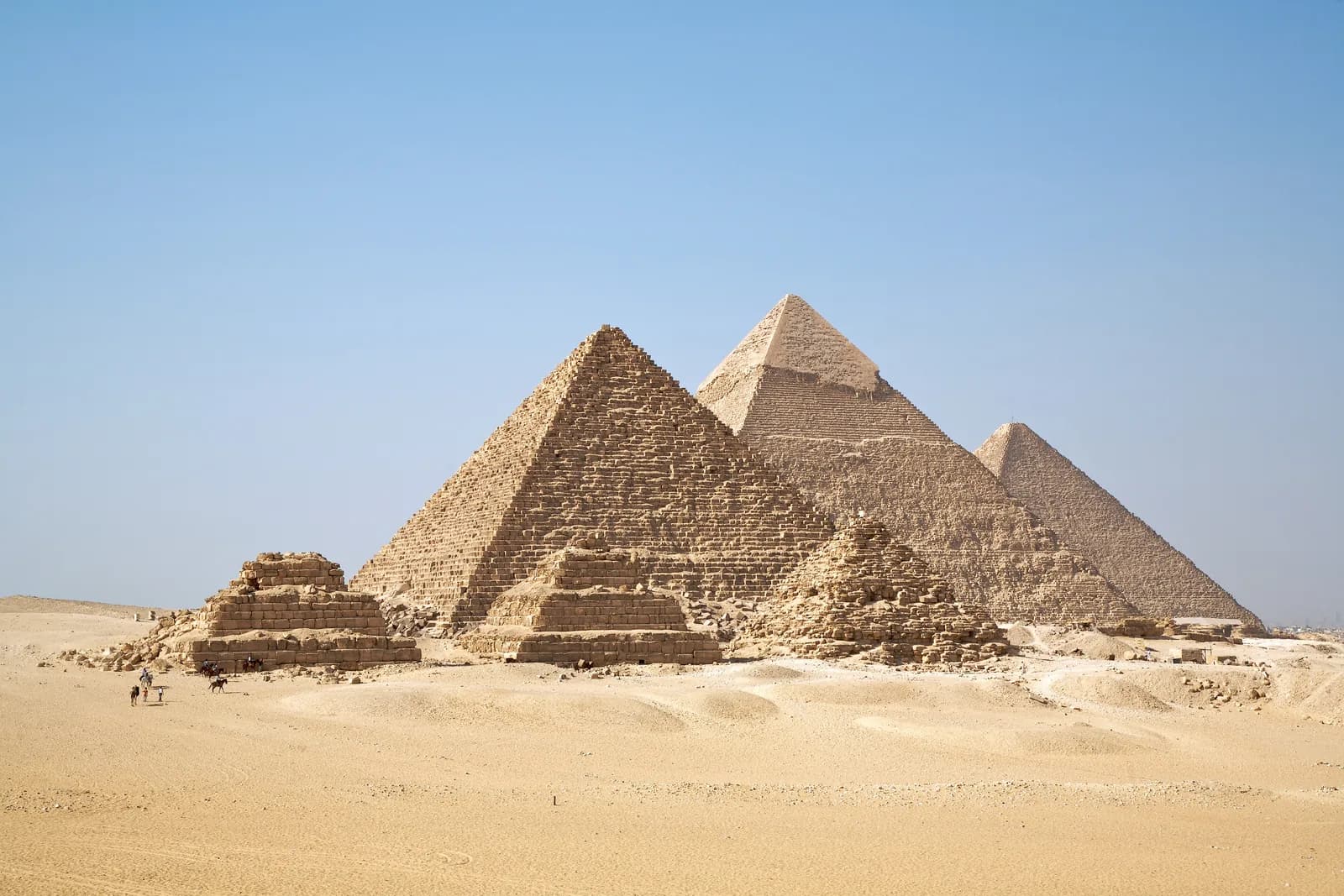
This is the single most common trap at the Pyramids of Giza, Karnak, and other major sites. Someone — often in a galabeya, sometimes claiming to be ‘site security’ or a ‘guard’ — offers to take your photo, hands you a scarf or a small trinket ‘as a gift,’ or waves you toward a ‘secret’ viewpoint or a spot where camels supposedly aren't allowed for regular tourists. Nothing is actually free. The moment you accept the item or follow them, they'll demand a tip (baksheesh), often 100–500 EGP, and can get insistent if you try to hand back a small note. The fix is simple: don't accept anything you didn't ask for, verbally decline before hands are full (‘la, shukran’ — no, thank you — works well), and don't follow anyone off the marked path, however official they look. Uniformed tourist police and site staff generally don't solicit tips for doing their job; if someone offers you something unprompted, assume it's transactional.
The Camel and Horse Ride Price Switch
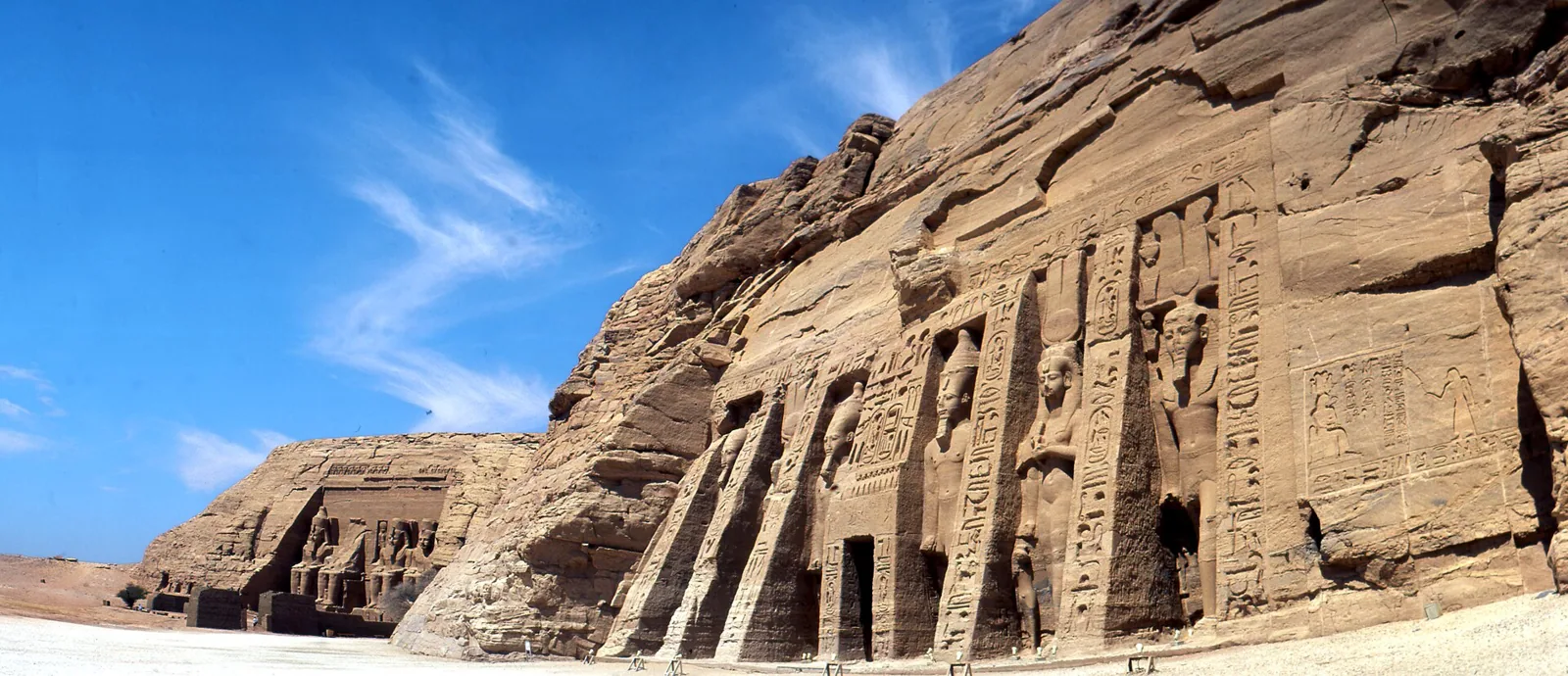
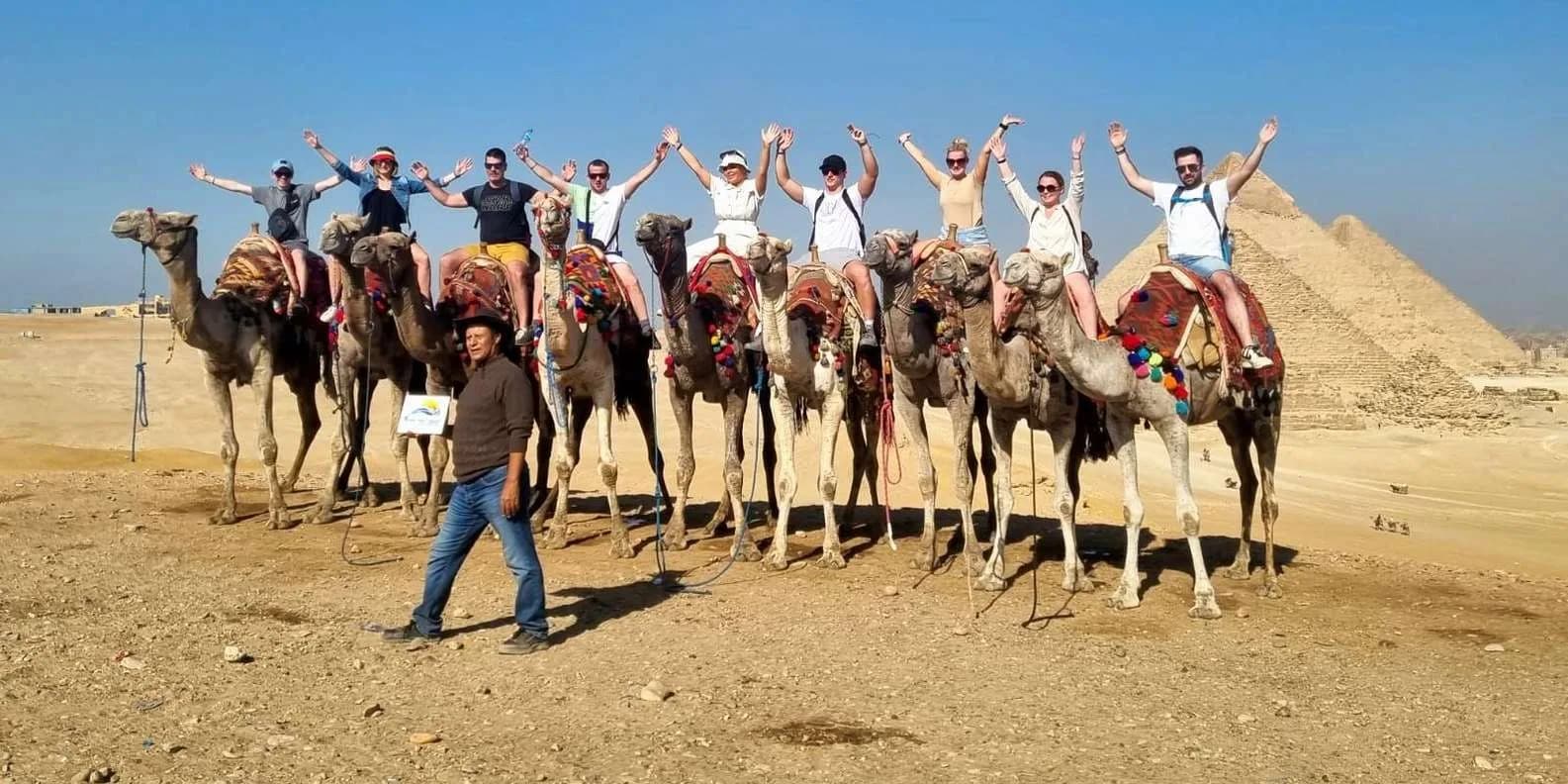
A camel or horse ride at Giza, with the pyramids in the background, is a genuinely great photo — and also the setting for Egypt's best-known scam. The price you negotiate on the ground is rarely the price you're told once you're already mounted. Handlers will walk or lead the animal further into the desert than agreed, then announce a much higher price to get down, sometimes adding fees for the ‘guide,’ a ‘photo,’ or simply refusing to stop the animal near the crowd. Because dismounting a camel unassisted is awkward and a little intimidating, most tourists just pay. To avoid this: agree on the full price in writing or via a photo of the agreed number, agree on the exact route and duration before mounting, pay only after you're back on solid ground, and pay the smallest bill you have rather than handing over anything large. If a price suddenly changes mid-ride, stay calm, repeat the agreed number, and don't escalate the situation — hand over only what was agreed and walk away.
Unofficial ‘Guides’ and Overzealous Helpers
At nearly every major site, men who are not affiliated with the site will offer to ‘show you the best spots,’ carry your bag, or explain the history — then demand payment, sometimes aggressively, for a tour you never asked for. Others will simply walk beside you narrating unprompted, making it hard to tell where politeness ends and a sales pitch begins. A firm, early ‘no, thank you, I have a guide’ (even if you don't) usually ends it. If someone continues after a clear no, keep walking toward a ticket booth, a uniformed guard, or a crowd — these situations de-escalate the moment you're near official staff. The cleanest fix is preventive: book a licensed Egyptologist guide in advance. It removes the entire category of hassle, because a legitimate guide's presence signals to everyone else that you're already ‘handled.’ See our private guided tours for vetted options at Giza, Luxor, and beyond.
Taxis, Rideshares, and Transport Overcharging
Unmetered street taxis are the most common source of low-grade overcharging in Cairo, Luxor, and Aswan. Drivers may claim the meter is broken, quote a flat fare far above the going rate, or take a longer route. The reliable fix is to use Uber or Careem, both of which operate widely in Egypt's major cities: the price is fixed and shown before you accept, the route is tracked, and there's no negotiation. If you do need a street taxi (common outside city centers or at 3am airport arrivals), agree on the price before getting in, not after, and have small notes ready since drivers routinely claim to have no change for large bills. Airport taxi touts inside and just outside arrivals are worth skipping entirely — walk to the official taxi stand or book a rideshare from the terminal.
Papyrus, Perfume, and Shop Commissions
A huge share of ‘free’ museum tours, hotel recommendations, and even taxi rides in Cairo and Luxor end with a stop at a papyrus institute, an essential oil shop, or a perfume bottling workshop. These aren't fake businesses — the papyrus is usually real, the oils are usually genuine — but prices are inflated 3–10x over fair value, and your driver or ‘guide’ earns a commission on anything you buy. The demonstration is often genuinely interesting, which is exactly why it works. There's no harm in going in, watching, and even browsing, as long as you treat the opening price as a starting point, not a fair one — bargain hard, or simply say you're not buying today and leave. If a driver insists on an unplanned stop, it's fine to say clearly that you'd rather go straight to your destination.
Fake Tickets, ‘Closed’ Sites, and ATM Tricks
A few more patterns worth knowing. Fake or resold tickets: buy site entry only at the official window or through a licensed tour operator, never from anyone approaching you outside the gate. ‘This site is closed today, but I know a better one’ (or ‘come to my cousin's shop instead’): sites in Egypt post real closure notices and staff at the actual gate — verify with a uniformed guard, not with someone who approached you on the street. ATM and currency tricks: use ATMs attached to bank branches rather than free-standing machines in tourist areas, always choose to be charged in Egyptian pounds (not the ATM's inflated dollar conversion), and count change immediately, since shortchanging with unfamiliar EGP notes is common at small shops and with street vendors. None of these require distrust of everyone — just a habit of verifying at the source (a ticket window, a bank-attached ATM, an official guard) rather than trusting the first person who offers to help.
How Much to Tip: Baksheesh Norms
Tipping (baksheesh) is a normal, expected part of Egyptian daily life — for waitstaff, hotel porters, restroom attendants, and tour staff — which is exactly what tourist-trap tipping demands exploit. Knowing the real going rates makes it easy to spot when someone is asking for far more than is customary. As a rough guide: restroom attendants expect 5–10 EGP, a bag-carrying porter 20–50 EGP per bag, a restaurant bill 10% if service isn't already included, and a full-day private guide or driver 100–300 EGP. A demand for 300–500 EGP for a photo or an unrequested tour is well outside these norms — that gap is your signal. For full detail by scenario, see our guide on how much to tip in Egypt.
How to Handle It: Scripts That Work
Most of these situations resolve in seconds with the right tone: calm, friendly, and firm, never confrontational or angry — Egyptians are warm and hospitable, and matching that energy while still saying no works far better than getting defensive. A few phrases to keep ready: ‘La, shukran’ (no, thank you) for anything unsolicited; ‘I already have a guide/driver’ to end unofficial-guide approaches instantly; ‘What's the price for this?’ asked before anything happens, not after; and ‘That's not what we agreed’ said flatly if a price changes mid-transaction, followed by paying only the agreed amount. If pressure continues, walking toward a uniformed guard, a ticket booth, or a crowded area almost always ends it — public, official settings are the one place these hustles don't work. And if you'd simply rather not manage any of this, booking through our Egypt travel guide recommended operators, or hiring a licensed guide for site visits, removes the negotiation entirely while supporting Egypt's legitimate tourism economy. None of this should overshadow the trip: the pyramids, the temples of Luxor, and the Nile are worth every bit of the hassle, and most travelers look back on these moments as funny stories, not close calls.
What's On in Egypt
Events in Cairo

Egypt Press Photo Exhibition
Tahrir Cultural Center (AUC) · Downtown (Wust El Balad)

Exhibition Open Call
Tahrir Cultural Center (AUC) · Downtown (Wust El Balad)

Talents Development Center Concert
Cairo Opera House · Zamalek
A real team available 24/7 to assist you — free
Seif and the team reply on WhatsApp 24/7 — trip questions, custom plans and booking help.
Ask Seif on WhatsAppCommon questions
Is Egypt safe for tourists in 2026?
Yes. Egypt sees millions of tourists a year with very low rates of violent crime against visitors. The realistic risks are minor hassles like overcharging and pushy touts, not danger — see our full guide to is Egypt safe for a detailed breakdown by region and activity.
Do I have to tip everyone who approaches me?
No. Tipping is customary for services you actually receive, not for unsolicited photos, gifts, or attention. If you didn't ask for it, you don't owe baksheesh for it — a polite but firm decline is completely normal and expected by locals too.
How do I avoid the camel and horse ride scam at Giza?
Agree on the total price and exact route in writing or via a photo before mounting the animal, pay only after you're back on the ground, and hand over small notes rather than large bills. If the price changes mid-ride, calmly repeat the agreed amount and pay only that.
Are the papyrus, perfume, and oil shops legit, or is it all a scam?
The products are usually genuine, but prices are typically marked up several times over fair value because your driver or guide earns a commission on your purchase. It's fine to browse and even buy if you negotiate hard, or simply decline the stop altogether.
Should I hire a guide to avoid tourist traps in Egypt?
A licensed Egyptologist guide is one of the most effective ways to sidestep unofficial touts, fake tickets, and commission-driven detours, since their presence signals you're already accompanied. See our private guided tours for vetted options at major sites.
Is Uber or Careem safe and reliable in Egypt?
Yes, both operate widely in Cairo, Luxor, Alexandria, and other major cities, with fixed upfront pricing, tracked routes, and no negotiation required. They're the most reliable way to avoid taxi overcharging and are generally considered safer for solo travelers.
What should I do if I feel pressured or harassed by a vendor or tout?
Stay calm rather than confrontational, say a clear no ('la, shukran'), and walk toward a uniformed guard, ticket booth, or crowded area — pressure situations almost always de-escalate near official staff or in public, visible settings.
Book it on This is Egypt
Turn this guide into a trip

Egypt's bestsellers
The experiences travelers book most, across the country




Keep reading

5-Star vs 4-Star Nile Cruise (2026): What the Rating Really Means
On the Nile, star ratings are issued locally and generously — almost every boat calls itself 5-star. Here is what actually separates the tiers, and how to read past the label to the real price and quality.
By TiE Editors4 min read

Nile Cruise vs Lake Nasser Cruise (2026): Which Should You Choose?
A Nile cruise sails the temple-lined Luxor–Aswan corridor with dozens of boats to choose from; a Lake Nasser cruise is a remote, uncrowded sail to Abu Simbel and the Nubian temples. Here is the honest comparison.
By TiE Editors4 min read
Liveaboard vs Day-Boat Diving in the Red Sea (2026): Which to Choose
A liveaboard reaches the remote reefs and wrecks day boats can't — the Brothers, Daedalus, deep-south Egypt — but a day boat is cheaper, flexible and beginner-friendly. Here's the honest choice.
By TiE Editors4 min read