
Saqqara, Memphis & Dahshur Tours
Visit the Step Pyramid of Djoser, ancient Memphis, and the Bent and Red Pyramids of Dahshur on a guided day trip from Cairo — the origin story of every pyramid that came after.
24 experiencias

Desde El Cairo: tour guiado de día completo a las pirámides de Guiza, la Esfinge, Saqqara y Menfis con entradas, almuerzo y traslados al hotel
Tour privado de día completo: pirámides de Guiza, Esfinge, Menfis y Saqqara

Tour privado de un día: pirámides de Guiza, Menfis y pirámides de Saqqara
Tour privado de un día: pirámides de Guiza, Esfinge, Menfis y Saqqara

Tour privado: pirámides de Guiza, ciudad de Menfis y pirámide de Saqqara
Pirámides de Guiza, Menfis y Saqqara

Tour de un día a Saqqara, Menfis y Dahshur

Tour de medio día a Menfis, Saqqara y las pirámides de Dahshur

Pirámides de Guiza, Esfinge, Saqqara y Menfis — tour de día completo por El Cairo
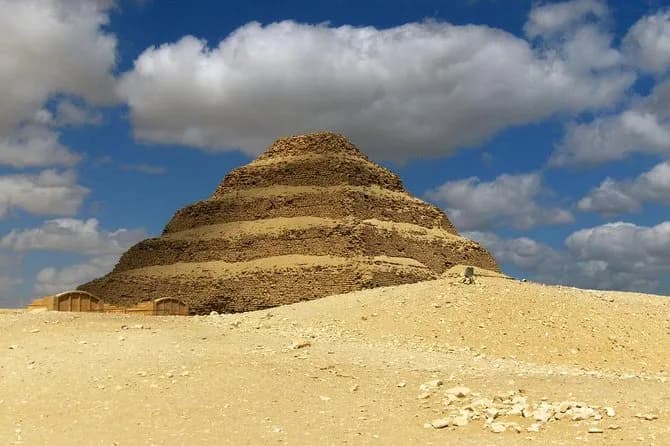
Excursión privada de un día a Memphis Sakkara y Dahshur desde El Cairo

Tour privado de un día: pirámides de Saqqara, Menfis y pirámides de Dahshur

Tour de medio día de 6 horas a Saqqara, Menfis y Dahshur

Tour de las pirámides de Guiza y Saqqara

Tour de El Cairo de 8 horas a las pirámides de Guiza, Menfis, Saqqara y Dahshur

Tour de las pirámides de Guiza, Menfis y Saqqara

Tour de día completo a las pirámides de Guiza, Menfis y Saqqara

Tour privado por Pirámides, Esfinge, Menfis y Saqqara

VIP todo incluido: pirámides de Guiza, Saqqara, Menfis e interior de la pirámide
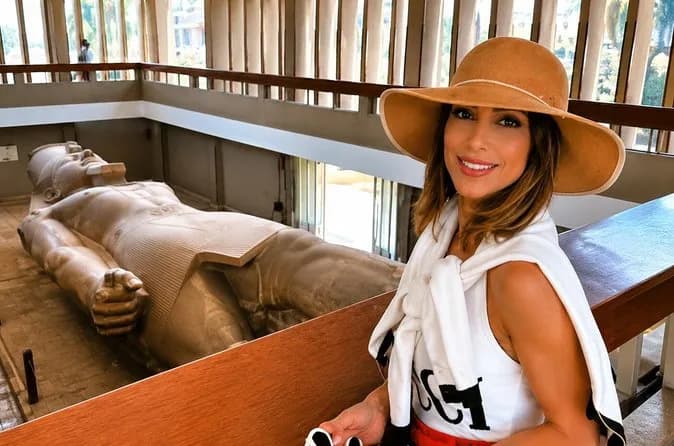
Ultimate VIP Giza, Saqqara, Menfis Tour, Camello Tour con Guía

All Inclusive: Day Tour to Giza Pyramids, Saqqara and Dahshur
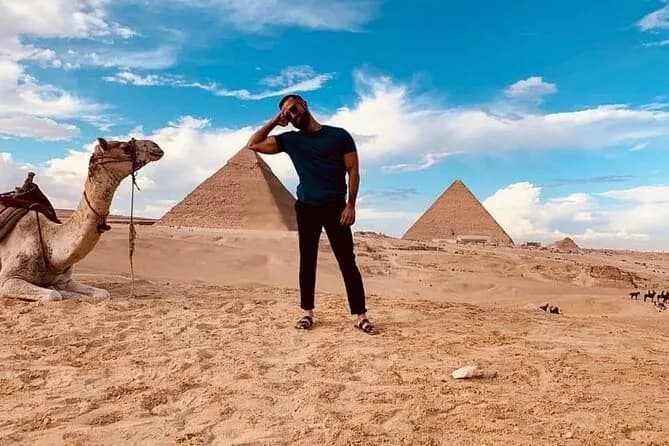
Giza, Sakkara, Memphis, Camel + Lunch - All Inclusive, Private

Tour privado por las pirámides de Guiza, la Esfinge, Saqqara, Menfis y paseo en camello

Tour privado: pirámides de Guiza, Esfinge, Menfis, Saqqara

Excursión privada de un día a las pirámides de Guiza, Menfis y Saqqara
The Birthplace of the Pyramid
Every pyramid in Egypt owes its existence to one structure: the Step Pyramid of Djoser at Saqqara. Built around 2670 BC by the architect Imhotep for the Third Dynasty pharaoh Djoser, it is the oldest large-scale stone monument on earth, a stack of six mastaba-like tiers rising nearly 60 meters. Imhotep's leap from mudbrick to cut limestone changed monumental architecture forever, and the surrounding Saqqara necropolis — Egypt's largest, used continuously for over 3,000 years — is where you actually see how that idea was tested, refined, and eventually perfected at Giza. A guided tour walks you through the Step Pyramid complex, its restored colonnade and courtyards, and gives the whole story a context that Giza alone can't provide.
The Serapeum and the Newly Opened Tombs
Beneath Saqqara lies the Serapeum, a subterranean gallery where the sacred Apis bulls were entombed in massive polished granite sarcophagi — one of the eeriest and most technically astonishing spaces in Egyptian archaeology. In recent years, Egyptian and international missions have opened a wave of previously inaccessible Old and New Kingdom tombs at Saqqara to visitors, including vividly painted noblemen's tombs with reliefs of daily life, offering scenes and colors rarely seen by tourists elsewhere. Good tours rotate in whichever of these tombs are currently accessible, so what you see can vary trip to trip.
Memphis: Egypt's First Capital
A short drive away, the open-air Memphis Museum marks the site of Egypt's ancient capital, founded around 3100 BC by Menes at the unification of Upper and Lower Egypt. Little remains of the city itself — centuries of Nile flooding and stone-robbing saw to that — but two showpieces survive: a colossal fallen statue of Ramesses II, carved from a single block of limestone, and a beautifully preserved alabaster sphinx guarding the site's approach. It's a brief stop, but an essential one for grasping how central Memphis once was to Egyptian civilization.
Dahshur: Where the Pyramid Shape Was Perfected
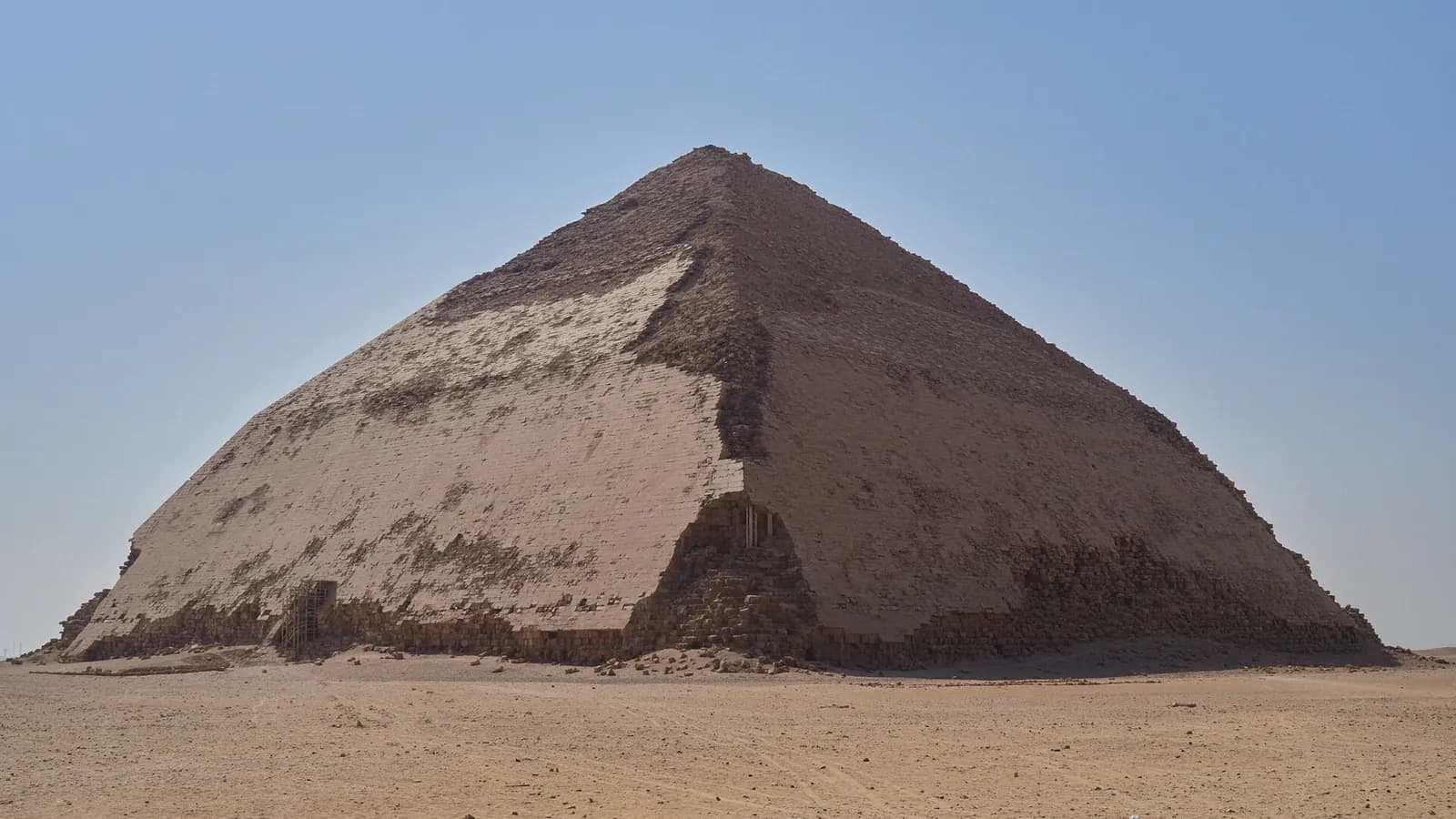
Dahshur completes the story. Here Pharaoh Sneferu, father of Khufu, built two pyramids while working out the geometry that would culminate at Giza. The Bent Pyramid changes angle partway up — dramatic evidence of a mid-construction correction — while the Red Pyramid, named for its rust-toned limestone core, is the first successful smooth-sided true pyramid ever built. You can climb down into the Red Pyramid's steep internal passage and stand inside its corbelled burial chamber, an experience increasingly restricted at Giza. Dahshur is also a military zone with limited access, which keeps visitor numbers refreshingly low.
Combining Saqqara, Memphis, Dahshur and Giza
Because all three sites sit within roughly 25-40 km of Giza and each other, they combine naturally into one full-day itinerary that traces the entire evolutionary arc of pyramid building — Saqqara's first experiment, Dahshur's breakthrough, and Giza's masterpiece — in chronological order. Many travelers pair this route with our Pyramids of Giza guide for a single, unforgettable pyramid-history day. Compared to a Giza-only visit, adding Saqqara and Dahshur trades a couple of hours of driving for markedly smaller crowds, real interior access, and a far richer understanding of why the pyramids look the way they do.
Planning Your Visit
Most tours depart Cairo or Giza hotels by minivan or private car in the morning, since Saqqara's site is large and best explored before midday heat sets in. Expect a full or half day depending on how many tombs and sites are included. Comfortable shoes matter — some interior passages require stooping and stairs. For deeper planning detail, see our Saqqara & Dahshur guide. Cooler months (November to February) are the most comfortable for walking between open-air sites; spring and autumn shoulder seasons also work well and see fewer visitors than midsummer.
Preguntas frecuentes
Is Saqqara worth visiting if I've already seen the Pyramids of Giza?
Yes. Saqqara shows the earlier, experimental stages of pyramid building that Giza doesn't — the Step Pyramid of Djoser predates Giza by roughly a century and reveals how the pyramid form was invented in the first place. It's also far less crowded, with several tomb interiors you can actually enter.
Can you go inside the pyramids at Dahshur?
Yes, the Red Pyramid is open to visitors and you can descend a long, steep passage into its burial chambers. This kind of interior access is increasingly limited at Giza's Great Pyramid, making Dahshur one of the best places left to experience a pyramid's interior firsthand.
How far is Saqqara from Cairo and how long does the trip take?
Saqqara is about 30 km south of central Cairo, roughly a 45-60 minute drive depending on traffic. A combined Saqqara, Memphis and Dahshur tour typically takes a full day; a Saqqara-and-Memphis-only trip can be done in a half day.
What is the Serapeum and is it included in tours?
The Serapeum is an underground gallery at Saqqara where the sacred Apis bulls were buried in giant granite sarcophagi. Many guided itineraries include it, but access can occasionally be restricted for conservation work, so it's worth confirming with your tour operator before booking.
Are Saqqara, Memphis and Dahshur suitable for children or travelers with mobility issues?
Memphis is an easy, flat open-air site suitable for most visitors. Saqqara involves walking over uneven sand and stone, and entering tombs or the Red Pyramid at Dahshur requires climbing steep, narrow stairs and stooping through low passages, so those areas are less suitable for young children or anyone with mobility limitations.
What is the best time of day and year to visit these sites?
Morning visits are best, before the midday heat and before tour buses from Cairo arrive in larger numbers. Seasonally, November through February offers the most comfortable temperatures for walking between the open-air sites, though spring and autumn are also good options with fewer crowds than peak winter.