

The Royal Mummies Hall (NMEC), Cairo: Meet the Pharaohs (2026)
NMEC's Royal Mummies Hall displays ~20 pharaohs including Ramesses II, Seti I and Hatshepsut, moved there in the 2021 Pharaohs' Golden Parade. What to see and how it differs from the GEM.
Book it on This is Egypt
Turn this guide into a trip

Quick answer: The Royal Mummies Hall at the National Museum of Egyptian Civilization (NMEC) in Old Cairo displays around 20 royal mummies — kings and queens including Ramesses II, Seti I, Hatshepsut and Thutmose III — in a purpose-built, dimly lit gallery. They were moved there from the old Egyptian Museum in the spectacular Pharaohs' Golden Parade of April 2021. It's a separate museum from the Egyptian Museum and the Grand Egyptian Museum, and the mummies are its signature draw. (Confirm opening hours and the separate mummies-hall ticket.)
Egypt's greatest pharaohs can be met face to face in one quietly powerful room in Cairo. Here is what the Royal Mummies Hall holds and how it fits with Cairo's other museums.
What the Royal Mummies Hall is
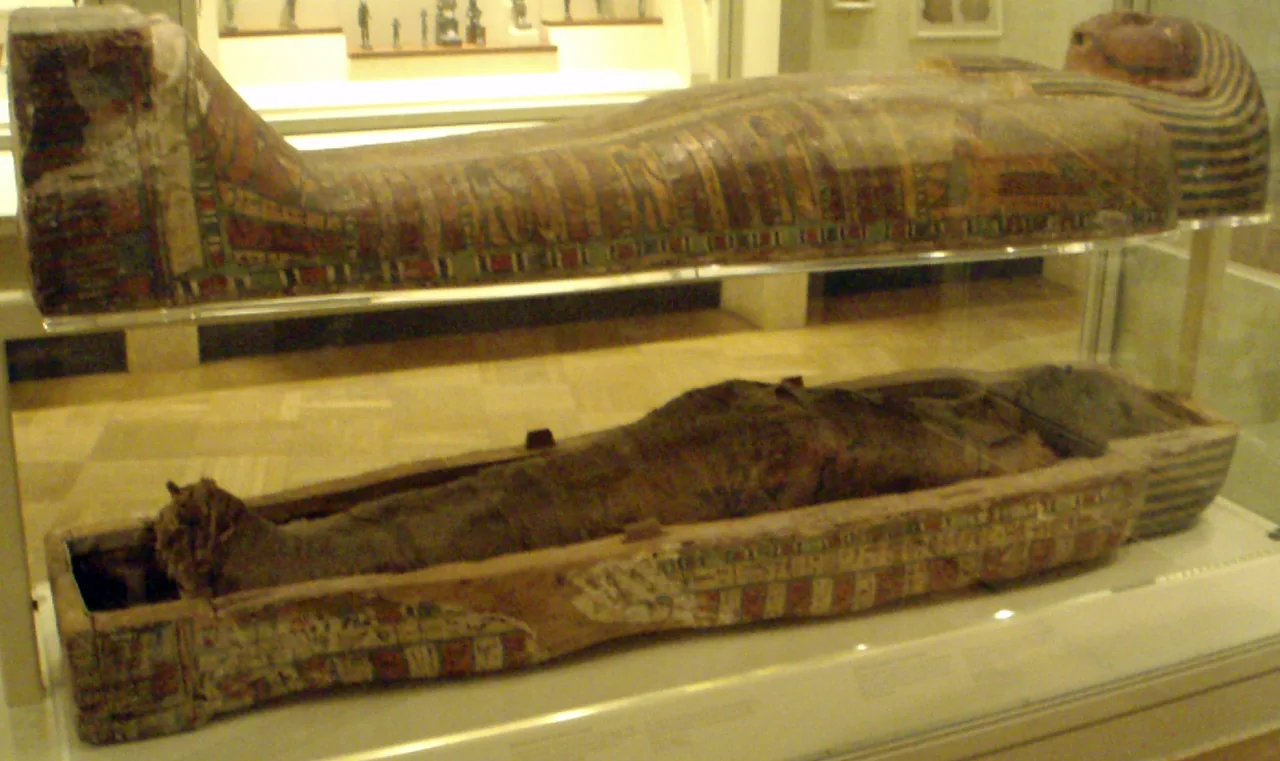
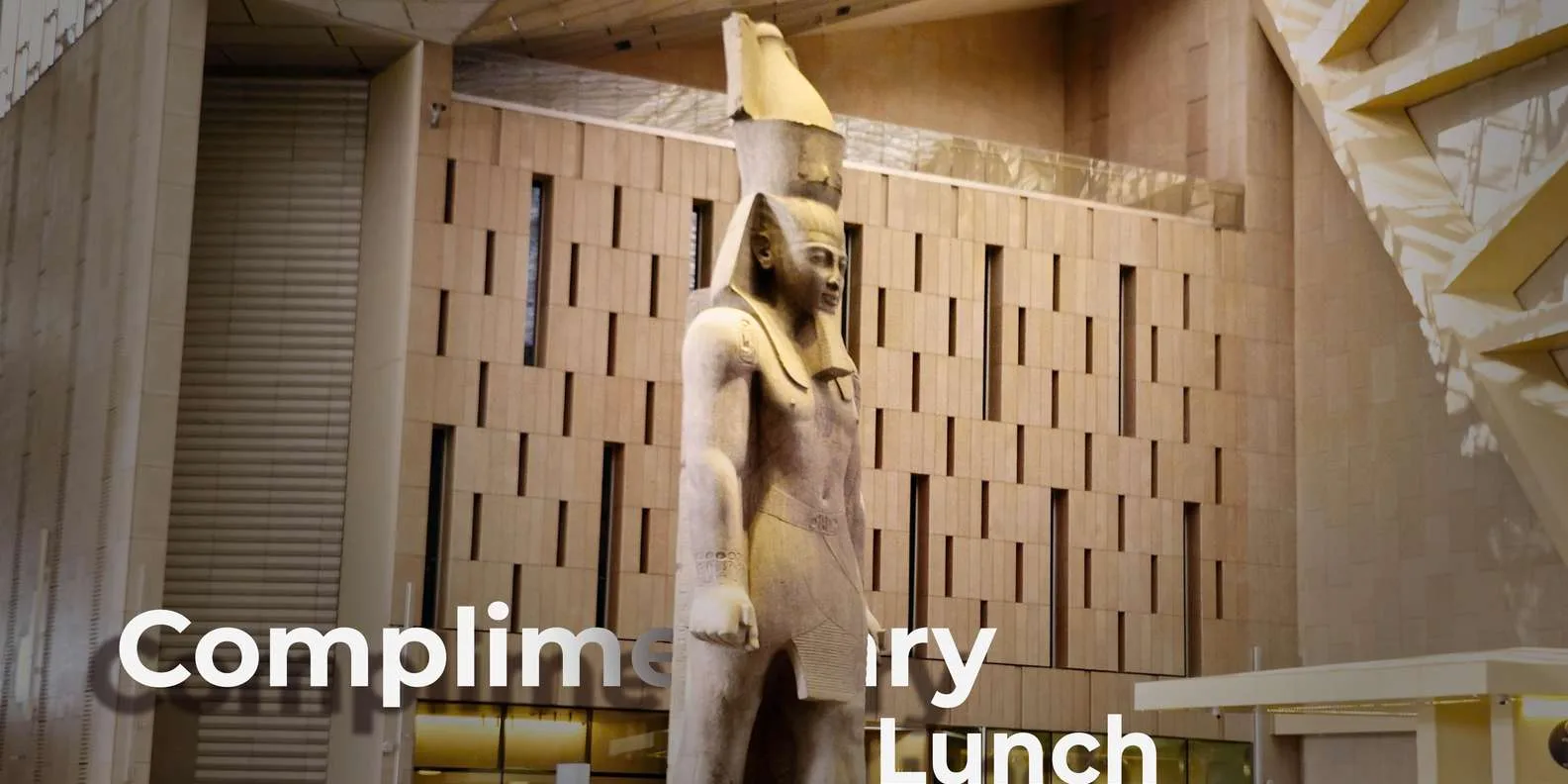
NMEC's mummies gallery was designed specifically for its purpose: a cool, low-lit, reverent space that treats the mummies as human remains rather than curiosities. Around twenty royal mummies lie here, each in a climate-controlled case with a clear, dignified explanation of who they were. Among them are some of the most famous names in history — Ramesses II (Ramesses the Great), his father Seti I, the female pharaoh Hatshepsut, the warrior king Thutmose III, and the pharaoh often linked with the Exodus story. Standing before the actual face of Ramesses the Great is an experience the grandest statue can't match.
The Pharaohs' Golden Parade
The mummies arrived at NMEC in April 2021 in an event the whole world watched: the Pharaohs' Golden Parade, when the royal mummies were carried across Cairo from the Egyptian Museum on Tahrir Square to their new home in Fustat, each on a decorated float, in order of reign. It was a piece of national theatre that also solved a real museum problem — giving the mummies the calm, controlled conditions they need.
NMEC vs the Egyptian Museum vs the GEM
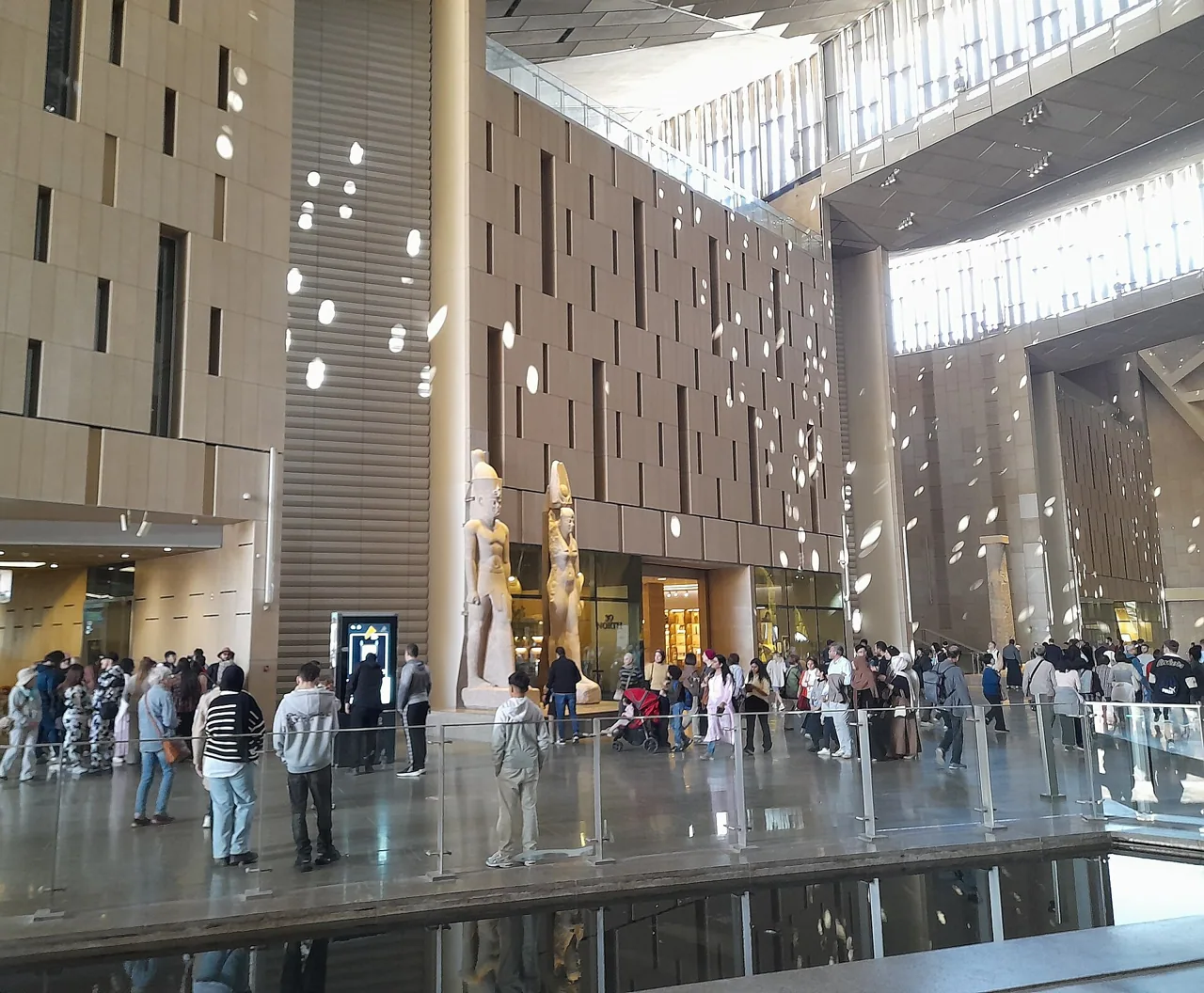
Cairo now has three great museums, and it helps to know what each is for. The National Museum of Egyptian Civilization (NMEC) tells the sweep of Egyptian civilization across all eras and holds the royal mummies. The Grand Egyptian Museum (GEM) near the pyramids holds the vast collection of artefacts, including the complete Tutankhamun treasures — see the GEM guide and how it compares in GEM vs the Egyptian Museum. The old Egyptian Museum on Tahrir Square remains a treasure house in its own right. The mummies are unique to NMEC.
Visiting NMEC
NMEC is in Fustat (Old Cairo), a little apart from the other museums, so plan it as its own visit. Entry to the Royal Mummies Hall usually carries a separate ticket on top of general admission, and photography is restricted in the hall out of respect. Confirm the current hours and ticket arrangements when you go.
What the mummies can tell us
The Royal Mummies Hall is not only moving, it's genuinely informative, because modern science has learned to read these bodies. Non-invasive CT scanning and DNA analysis in recent decades have turned the royal mummies into a kind of medical and genealogical archive. The scans have revealed the ages, diseases and injuries of the pharaohs: the severe arthritis and dental abscesses of the elderly Ramesses II, the arterial disease that shows these rulers were not spared the ailments of rich diets, and the terrible battle wounds of Seqenenre Tao, a king who seems to have died fighting. DNA work has helped identify mummies whose names were lost — most famously helping to confirm the mummy of the female pharaoh Hatshepsut — and to map the family relationships of the Tutankhamun lineage. Standing in the hall, then, you are not just looking at the faces of the great pharaohs; you are looking at bodies that continue to teach us about who they were, how they lived and how they died. That blend of the human and the scientific is what makes NMEC's mummies gallery so different from a room of statues — these were real people, and we are still, gently, getting to know them. Give the hall unhurried time, and don't rush the rest of NMEC while you're there: the museum's main gallery tells the story of Egyptian civilization across every era — from prehistory through the pharaohs to Coptic, Islamic and modern Egypt — with standout objects and a calm, well-lit design, and it overlooks the atmospheric Ain el-Sira lake in historic Fustat. Plan a couple of hours in total, arrive with the mummies-hall ticket sorted, and treat NMEC as a considered, quieter counterpart to the blockbuster crowds of the Grand Egyptian Museum across town.
The other pharaohs you'll meet
Beyond the headline names, the hall is a roll-call of the New Kingdom. Among the roughly twenty mummies are the warrior pharaoh Seqenenre Tao, whose skull still shows the axe wounds of the battle that likely killed him; Amenhotep I, so beautifully wrapped that scholars long left him undisturbed and studied him by CT scan instead; Thutmose II, Merneptah, Ramesses III and several royal women. Together they span centuries of Egypt's greatest age, laid out with a quiet dignity that lets you take each in turn. It is a room to move through slowly — these are not exhibits so much as an audience with the people who built the monuments you've seen everywhere else on your trip.
Getting there and visiting
NMEC is in Fustat (Old Cairo), a little apart from the other museums, so plan it as its own visit and combine it with nearby Coptic Cairo if you have time. Entry to the Royal Mummies Hall usually carries a separate ticket on top of general admission, and photography is restricted in the hall out of respect. Allow a couple of hours in all, go earlier for a calmer visit, and confirm the current hours and ticketing when you arrive.
Read the Grand Egyptian Museum guide and GEM vs the Egyptian Museum.
A real team available 24/7 to assist you — free
Seif and the team reply on WhatsApp 24/7 — trip questions, custom plans and booking help.
Ask Seif on WhatsAppCommon questions
Where are the royal mummies in Cairo?
In the Royal Mummies Hall at the National Museum of Egyptian Civilization (NMEC) in Fustat, Old Cairo. Around twenty royal mummies are displayed there, moved from the old Egyptian Museum in April 2021.
Which mummies can you see at NMEC?
Around twenty kings and queens, including Ramesses II (Ramesses the Great), Seti I, the female pharaoh Hatshepsut and the warrior king Thutmose III — some of the most famous rulers in history, each in a climate-controlled case.
What was the Pharaohs' Golden Parade?
A spectacular event in April 2021 when the royal mummies were carried across Cairo from the Egyptian Museum on Tahrir Square to NMEC in Fustat, each on a decorated float in order of reign, watched around the world.
Is the Royal Mummies Hall worth it?
For many visitors it's one of the most moving experiences in Cairo — meeting the actual faces of pharaohs like Ramesses the Great. The hall is calm and reverent. Entry usually carries a separate ticket; confirm the current arrangement.
What's the difference between NMEC, the GEM and the Egyptian Museum?
NMEC tells the sweep of Egyptian civilization and holds the royal mummies; the Grand Egyptian Museum near the pyramids holds the artefacts, including the full Tutankhamun treasures; the old Egyptian Museum on Tahrir Square is a treasure house in its own right. The mummies are unique to NMEC.
Can you take photos of the royal mummies?
Photography is restricted in the Royal Mummies Hall out of respect for the human remains. Confirm the current policy at the museum.
Which other mummies can you see at NMEC?
Beyond Ramesses II, Seti I and Hatshepsut, the hall holds around twenty royals — including the warrior pharaoh Seqenenre Tao (whose skull shows his battle wounds), the beautifully wrapped Amenhotep I, Thutmose II, Merneptah and Ramesses III, plus several royal women — spanning centuries of the New Kingdom.
How do you visit the Royal Mummies Hall?
NMEC is in Fustat (Old Cairo), a little apart from the other museums, so plan it as its own visit, perhaps with Coptic Cairo nearby. The mummies hall usually needs a separate ticket on top of admission, photography is restricted inside, and a couple of hours covers the whole museum.
Book it on This is Egypt
Turn this guide into a trip


Egypt's bestsellers
The experiences travelers book most, across the country




Keep reading
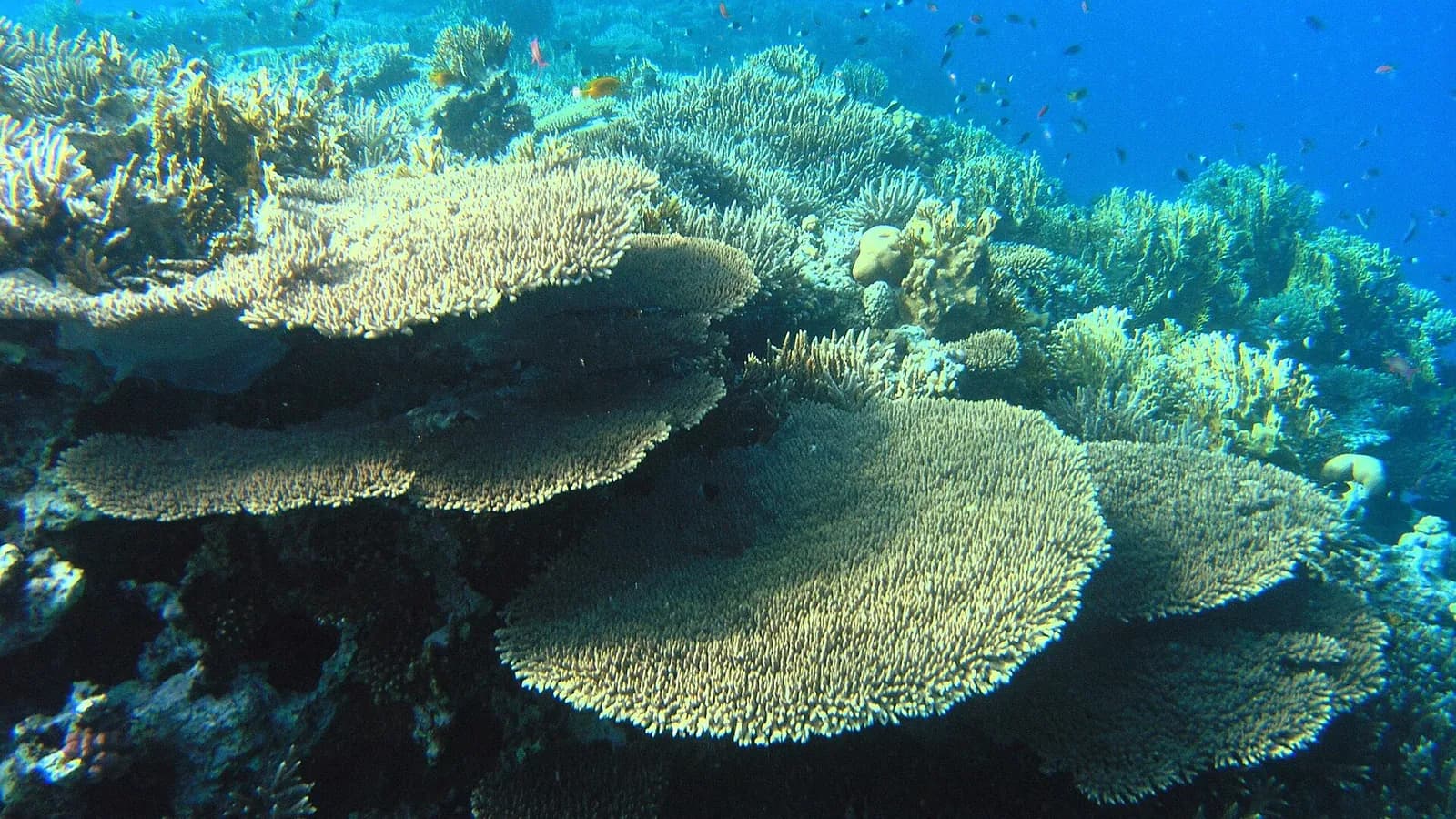
Hurghada Diving (2026): Best Sites, Packages & Prices
Diving in Hurghada — the best reefs (Giftun, Careless Reef, Dolphin House) and Abu Nuhas wrecks, Discover Scuba vs PADI courses, season and water temps, and real 2026 prices.
By TiE Editors7 min read
Hurghada Snorkeling Trips (2026): Best Reefs, Prices & How to Choose
Where to snorkel from Hurghada in 2026 — Orange Bay, Giftun, Mahmya, Utopia and Dolphin House — with boat types, marine life, month-by-month sea temperatures, family tips and real prices from 1,000+ bookable trips.
By TiE Editors7 min read
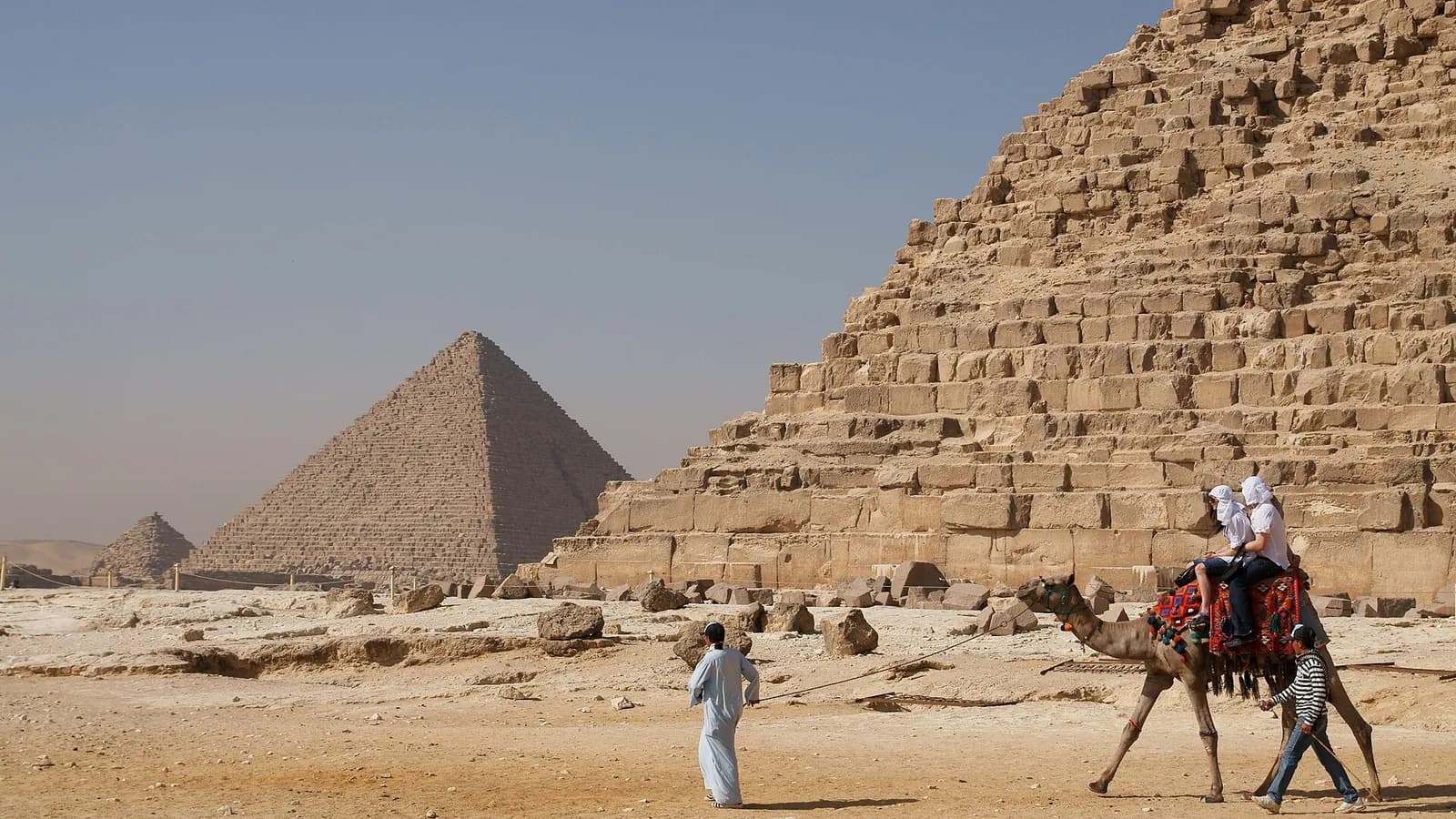
Egypt Tour Prices by Activity (2026): What Each Type Really Costs
What every type of Egypt experience actually costs — from a 1,700 EGP camel ride to a 48,500 EGP Nile cruise — based on 29,710 real bookable tours across seven platforms.
By TiE Editors6 min read