Map of Egypt: How to Plan Your Trip Region by Region
Egypt looks small on a map and feels enormous on the ground. Here's how the country actually fits together — and how to turn it into a trip that flows.
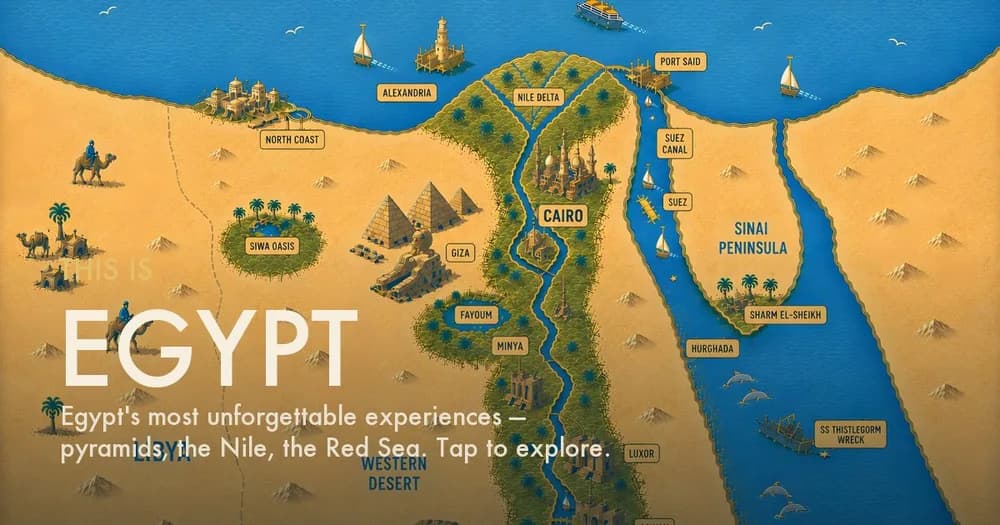
Almost every Egypt trip runs along two lines: the Nile, from Cairo south to Aswan, and the Red Sea coast, with a few unforgettable outliers in the deserts and on the Mediterranean. Once you can see those lines, planning stops feeling overwhelming.
The quickest way to get your bearings is to open the interactive map of Egypt — every region, city and wonder is pinned in its real place, so you can see how a week actually fits together instead of guessing from a list.
Cairo & Giza — start here
Nearly everyone begins in the capital, and they should. Giza gives you the Pyramids, the Great Sphinx and the Grand Egyptian Museum; across the river, medieval Islamic Cairo and the Khan el-Khalili bazaar sit over Coptic Cairo and centuries of history. Give it 2–3 days. See what's on in Cairo and Giza.
The Nile Valley — Luxor and Aswan
This is the heart of ancient Egypt. Luxor holds Karnak, the temples of the east bank and the Valley of the Kings on the west; Aswan is calmer and prettier, the launch point for Abu Simbel and Nile feluccas. Many people sail between the two on a cruise. Budget 2–3 days, more with a cruise. Explore Luxor and Aswan.
The Red Sea — reefs and downtime
When you've had your fill of temples, the coast is where Egypt exhales. Hurghada and Marsa Alam put world-class reefs an hour offshore; the water is warm most of the year. Two to four days is plenty to dive, snorkel and do nothing. Start with Hurghada.
Sinai & the Mediterranean — the outliers
Sharm el-Sheikh and laid-back Dahab offer some of the planet's best shore diving, plus the sunrise climb up Mount Sinai. Up north, Alexandria trades pharaohs for Greco-Roman ruins and sea breeze — an easy day trip from Cairo.
Putting it together
A classic first trip is Cairo → Luxor → Aswan (by cruise or flight) → a few days on the Red Sea. Distances are real: Cairo to Luxor is a short flight or an overnight train, not a day drive. Sketch your route on the map before you book anything.
🗺️ See it in context: Open the interactive map of Egypt and trace your route region by region.
Common questions
What's the best region of Egypt for a first-time visitor?
Cairo & Giza for the pyramids and museums, then the Nile Valley (Luxor and Aswan) for the great temples. Add a few days on the Red Sea if you want to relax.
How do I get between regions?
Short domestic flights connect Cairo, Luxor, Aswan and the Red Sea; overnight trains and Nile cruises are popular for the Cairo–Luxor–Aswan corridor. Distances are long, so most people fly between regions.
How many days do I need to see Egypt?
A well-paced first trip is 8–12 days: 2–3 in Cairo, 2–3 in the Nile Valley (often on a cruise), and 2–4 on the Red Sea.
Book it on This is Egypt
Turn this guide into a trip
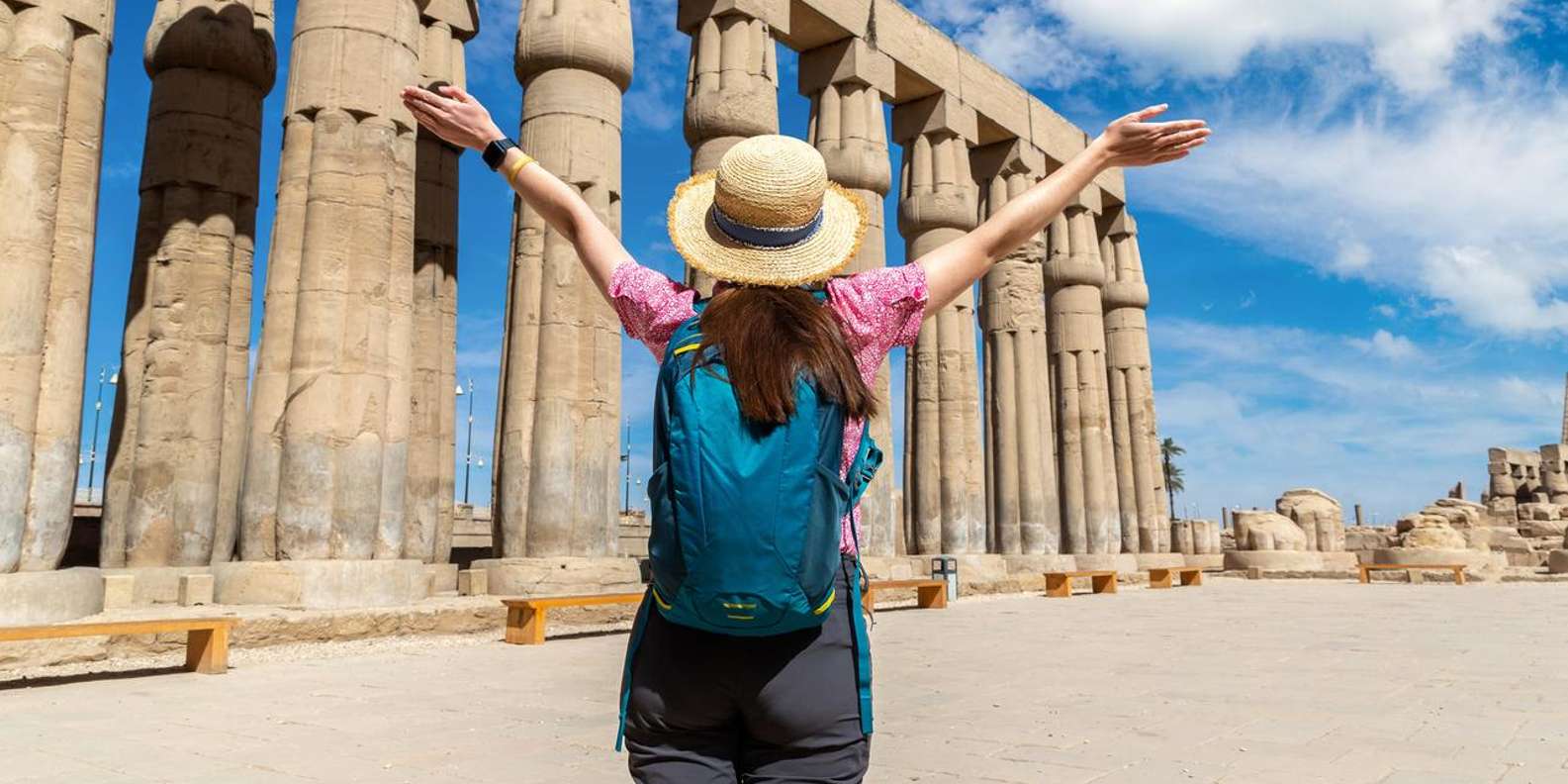
Luxor Day Trip from Hurghada Small Group & Tutankhamun Tomb

Hurghada: 3 Islands, Dolphins & Snorkel Yacht Trip w/ Lunch
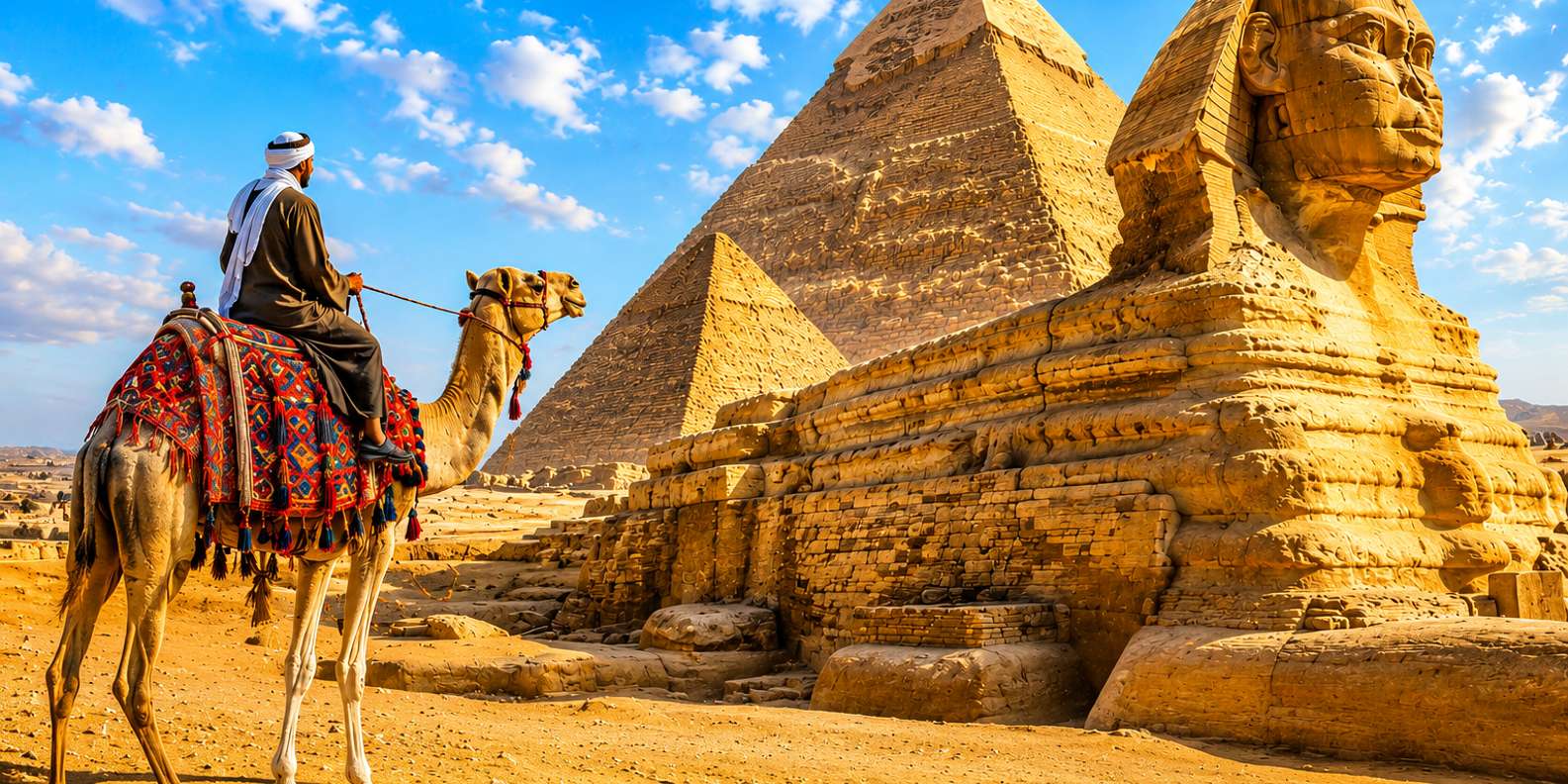
Cairo: Pyramids & Great Sphinx Private Tour with Camel Ride
Keep reading
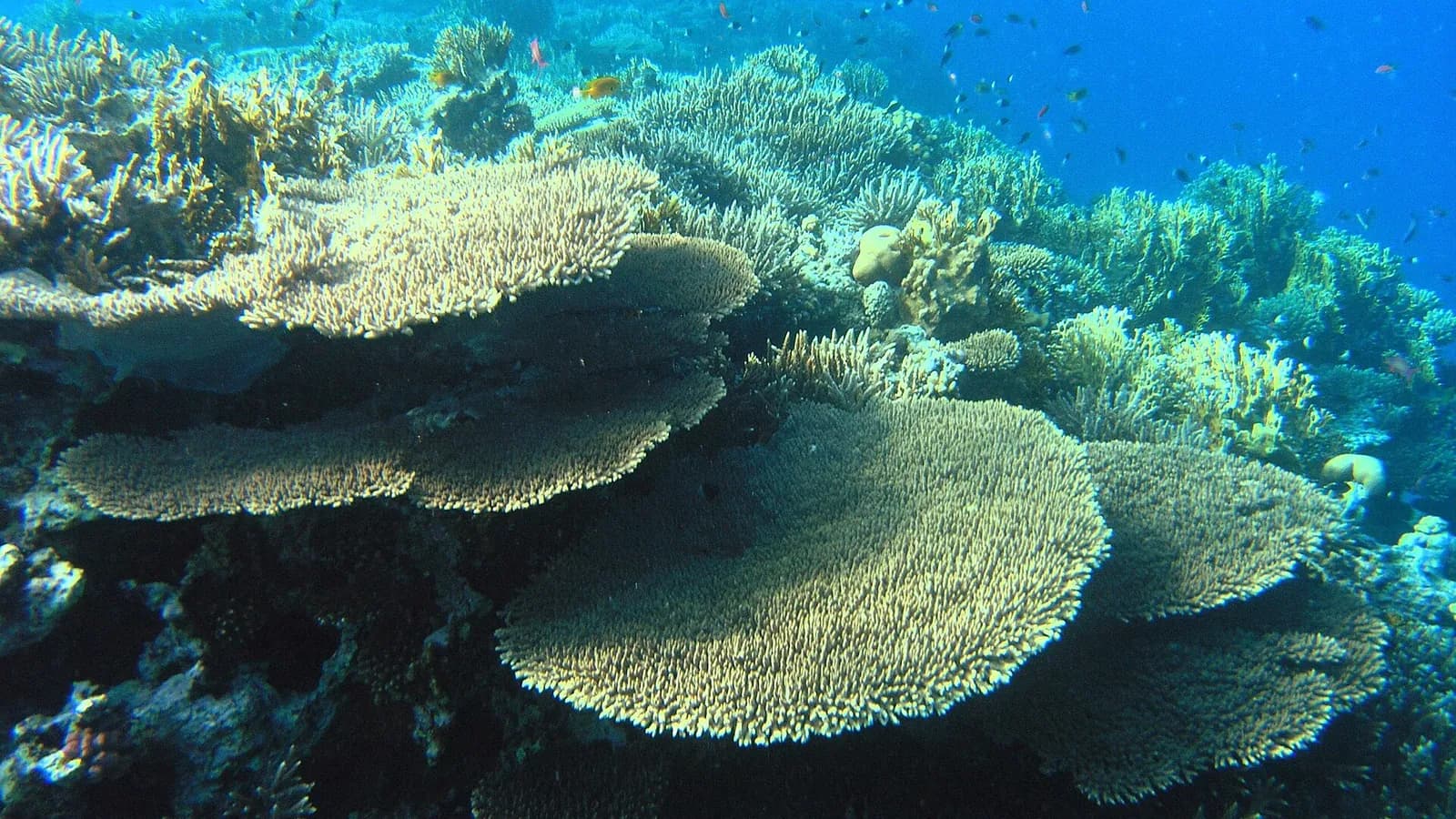
Hurghada Diving (2026): Best Sites, Packages & Prices
Diving in Hurghada — the best reefs (Giftun, Careless Reef, Dolphin House), intro dives vs PADI courses, real 2026 prices from 160+ trips, and the top-rated dive days.
By TiE Editors7 min read
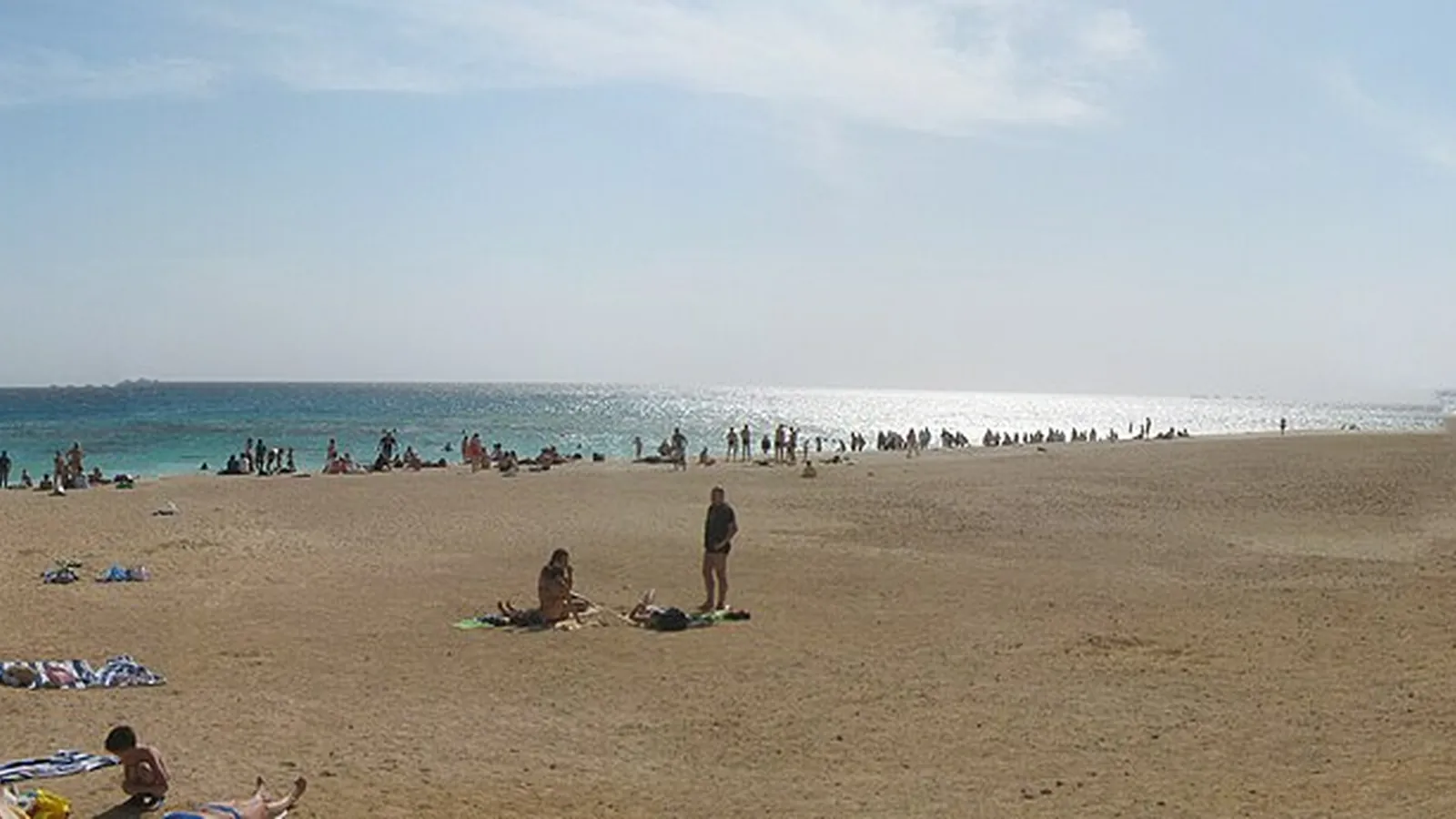
Hurghada Snorkeling Trips (2026): Best Reefs, Prices & How to Choose
The best reefs and islands to snorkel from Hurghada — Orange Bay, Giftun, Dolphin House — with real 2026 prices from 880+ bookable trips and the season, marine life and tips you need.
By TiE Editors7 min read
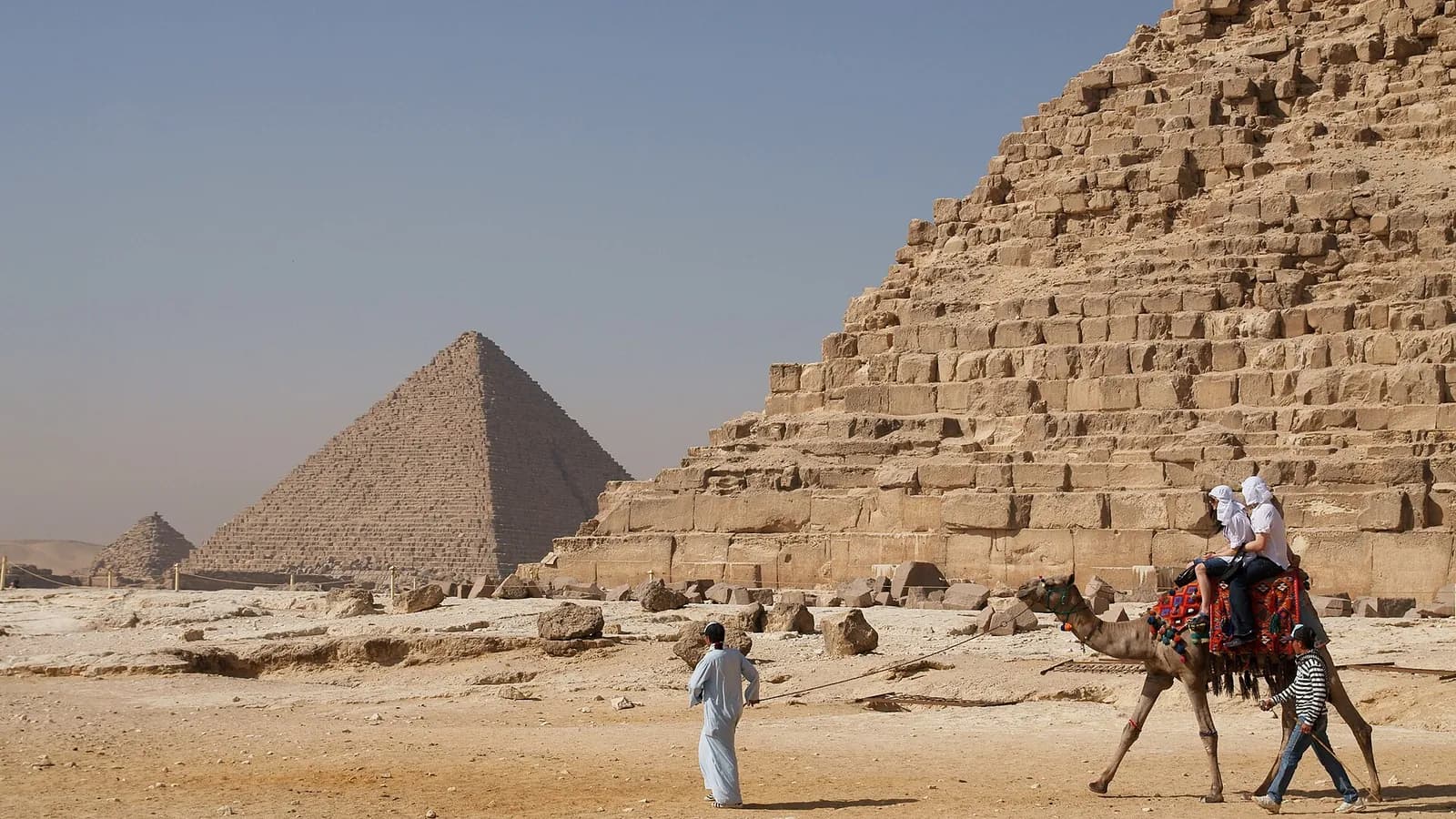
Egypt Tour Prices by Activity (2026): What Each Type Really Costs
What every type of Egypt experience actually costs — from a 1,700 EGP camel ride to a 48,500 EGP Nile cruise — based on 29,710 real bookable tours across seven platforms.
By TiE Editors6 min read