

Egypt on a Budget (2026): The Cheapest Great Experiences
You can see the Pyramids with a camel ride and lunch for under 500 EGP. The cheapest well-rated experiences in every major city, and how to keep costs down.
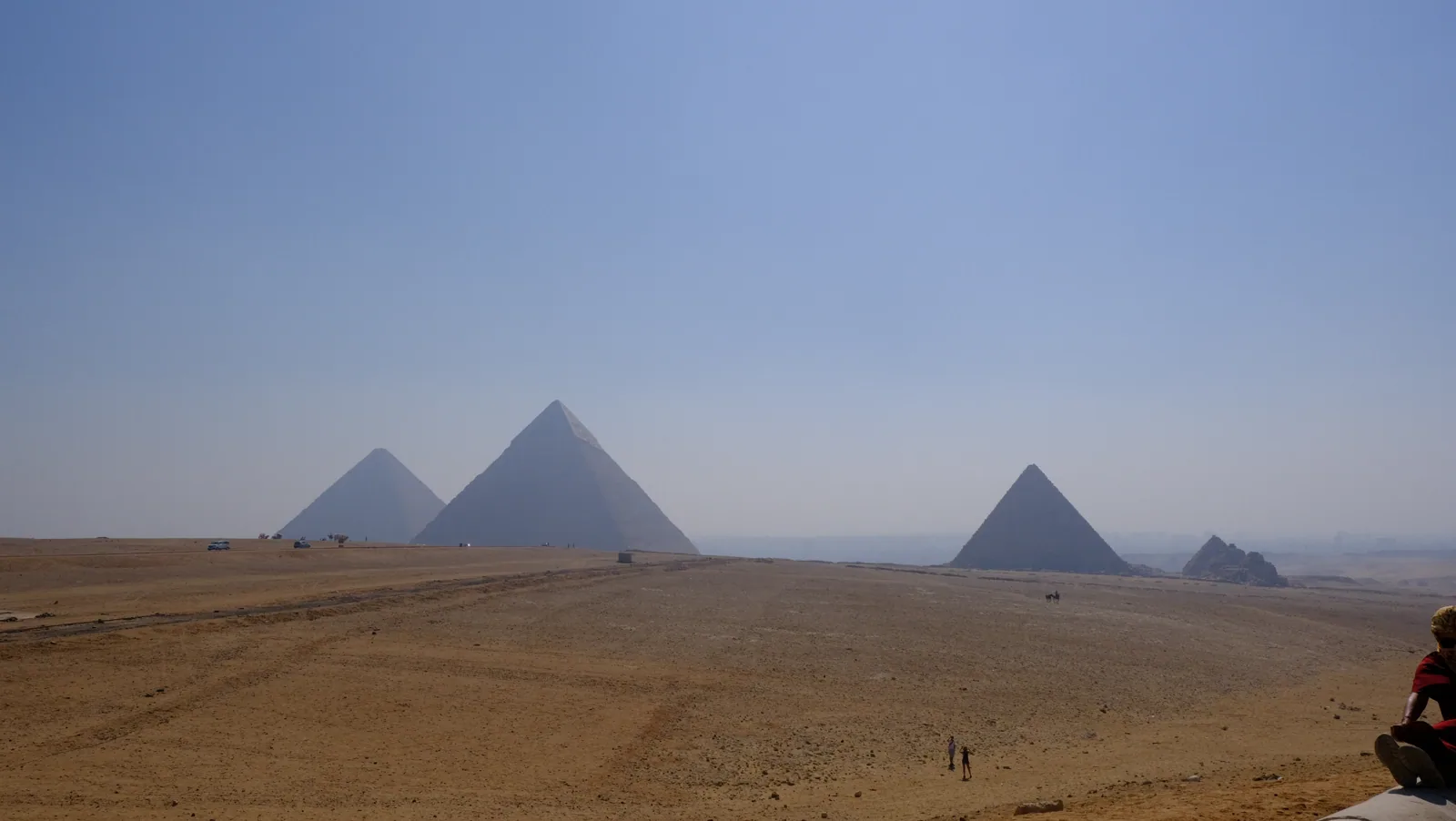
Quick answer: Egypt is one of the best-value destinations in the world once you know where to look. From the live prices of nearly 23,000 tours across seven platforms, we pulled the cheapest experiences that are also genuinely well-rated, so this is not a list of nasty bargains but of real value. The standout finding: you can visit the Pyramids of Giza with a camel ride and lunch, rated 4.7 across more than 1,200 reviews, from under 500 EGP, about 10 US dollars. On a lean day you can eat, move around, and do a headline activity for well under 1,000 EGP a head. Here is how to see Egypt without overspending.
The cheapest well-rated experience in each city
| City | Experience | From (EGP) | Rating |
|---|---|---|---|
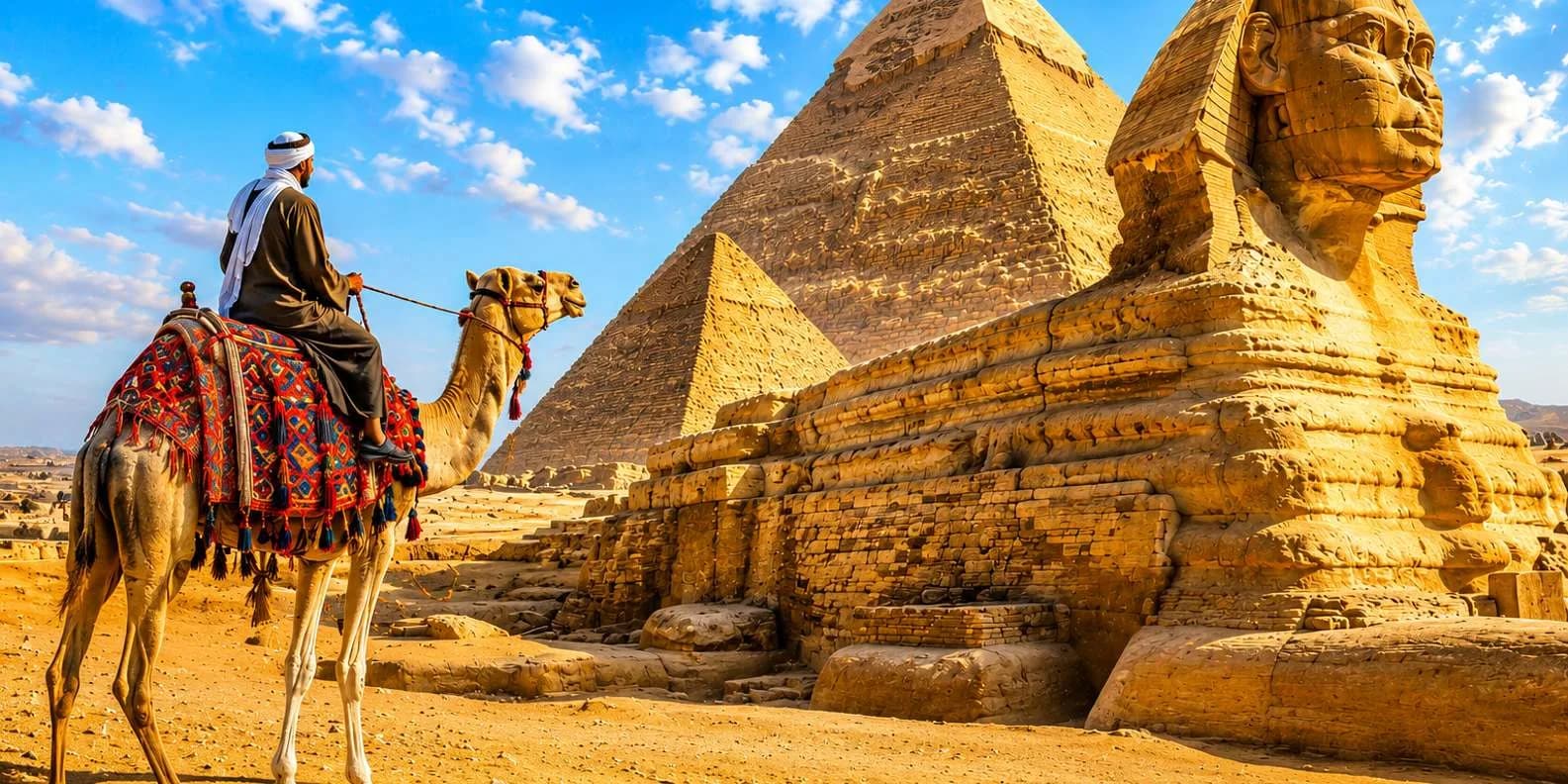
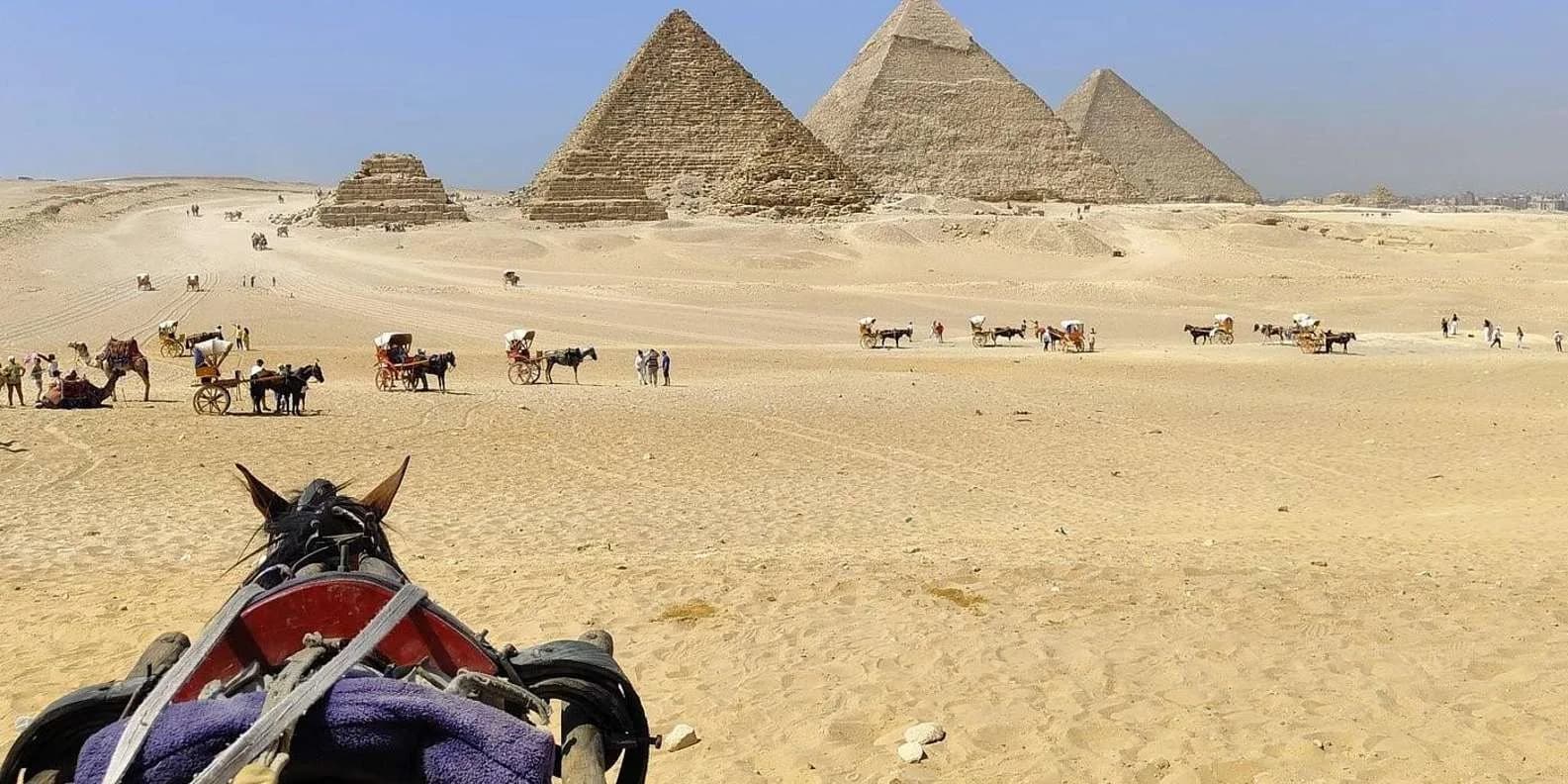
| Cairo / Giza | Pyramids, Sphinx, camel ride and lunch | 493 | 4.7 |
| Sharm El Sheikh | City highlights and shopping tour | 557 | 4.8 |
| Sharm El Sheikh | ATV quad bike desert safari | 669 | 4.53 |
| Sharm El Sheikh | Parasailing over the Red Sea | 693 | 4.9 |
| Hurghada | Private city tour with guide | 701 | 4.62 |
| Cairo | Dahshur, Memphis and Saqqara half-day | 740 | 4.7 |
| Hurghada | Beach and desert horse riding | 812 | 4.87 |
| Aswan | Shared half-day Nubian Village tour | 1,238 | 4.64 |
| Luxor | Private sunset felucca sail | 1,436 | 4.9 |
| Marsa Alam | Sea and desert horse riding | 1,618 | 4.7 |
Notice that the single cheapest great experience in the country is the headline one: the Pyramids of Giza, from 493 EGP. Budget travel in Egypt does not mean skipping the icons. For a fuller city-by-city price picture, see our Egypt tour prices by city guide.
Where your money goes furthest
The Red Sea is the budget traveller's friend. Sharm El Sheikh and Hurghada fill the cheap end of every list, with parasailing, quad safaris, horse riding and city tours all under about 800 EGP and most rated above 4.6. A day of Red Sea fun can cost less than a single restaurant meal back home. The Nile Valley costs more, but even there a sunset felucca in Luxor (1,436 EGP) or a shared Nubian Village tour in Aswan (1,238 EGP) keeps a day memorable without breaking the budget.
Free and nearly-free things to do
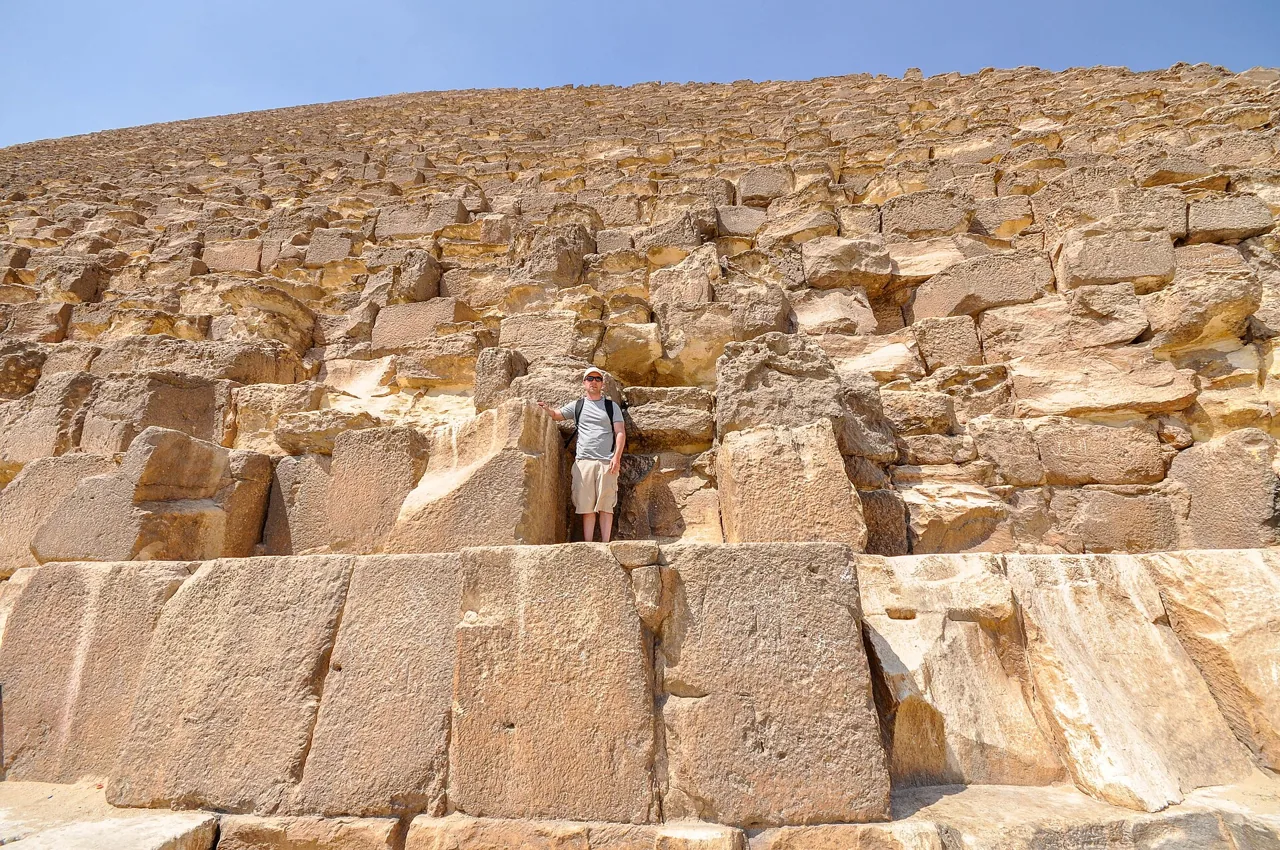
Some of the best hours in Egypt cost nothing at all. Walking the old streets of Islamic Cairo around Al-Muizz Street and Khan El Khalili is free, and the bazaar is a spectacle in itself if you are only browsing. The corniche in Alexandria, Aswan and Luxor makes for a free sunset stroll along the water. Watching feluccas drift past on the Nile from a public riverside costs nothing. Mosques such as Al-Azhar and the Mosque of Muhammad Ali (inside the Citadel, which does charge) welcome respectful visitors, and many neighbourhood mosques are free. Coptic Cairo's churches and the surrounding lanes are free to wander. Even the Pyramids reward a free view: you can see them clearly from the plateau road, from rooftop cafes in Giza village, and from the desert edge without buying a ticket, though you will want the ticket to get close.
The main paid sites are cheaper than most first-timers expect. As of 2026 the general Giza plateau entry is around 700 EGP for foreign adults, the Valley of the Kings base ticket is about 750 EGP (covering three tombs), and the Grand Egyptian Museum is about 1,450 EGP. Students with a valid ID pay roughly half at most sites. Note that major archaeological sites have moved to a cashless system, so bring a card. Buying these tickets yourself, rather than through a marked-up tour, is one of the simplest ways to save.
What a budget day actually costs
With the Egyptian pound around 50 to the US dollar in 2026, a careful day adds up fast in your favour. Here is a realistic lean-but-comfortable daily breakdown for one person.
| Item | Budget (EGP) | Notes |
|---|---|---|
| Hostel dorm or cheap guesthouse | 250-500 | Dorm bed to simple private room |
| Three local meals | 150-350 | Koshari, ful, taameya, street food |
| Local transport | 50-150 | Metro, microbus, occasional Uber |
| One paid site or activity | 500-800 | The cheap great experiences above |
| Water, tea, snacks, tips | 50-100 | Small change matters here |
| Daily total | ~1,000-1,900 | Roughly 20 to 38 USD |
Backpackers eating street food and sleeping in dorms genuinely get by on 30 US dollars a day. A more comfortable independent traveller runs 40 to 60 US dollars. The single biggest lever is activities, which is exactly why the cheap-but-great list above matters. For a full trip-length breakdown, see our Egypt trip cost guide.
Cheap eats: what to order and what it costs
Egyptian street food is delicious, filling, and absurdly cheap. Eating like a local is the easiest way to cut a budget without cutting enjoyment.
| Dish | Typical price (EGP) | What it is |
|---|---|---|
| Taameya sandwich | 15-25 | Egyptian falafel, the national breakfast |
| Ful medames | 15-30 | Slow-cooked fava beans, a plate or sandwich |
| Koshari | 30-75 | Rice, pasta, lentils, fried onion, tomato sauce |
| Fresh bread (baladi) | 1-5 | Straight from the oven |
| Sugarcane or hibiscus juice | 10-25 | Street-stall staple |
| Full ful-and-taameya breakfast for two | 60-120 | Sit-down neighbourhood spot |
Koshari is the budget traveller's power meal: a big bowl for 30 to 75 EGP keeps you going for hours. Prices climb 15 to 45 percent in tourist zones, so walk one or two streets back from the main sights and you will pay local rates. Tap water is not safe to drink; buy bottled water, which is cheap, or a filter bottle.
Getting around on the cheap
Egypt's public transport is one of the great travel bargains, if you are willing to keep small notes on hand.
- Cairo Metro. A single ride is roughly 10 to 20 EGP depending on distance, less than half a US dollar. It is fast, avoids traffic, and reaches many central sights. Women can use the dedicated carriages.
- Microbus. The workhorse of Egyptian streets. A hop such as Tahrir toward Giza costs only a few pounds, typically 5 to 10 EGP. Routes are informal and unmarked, so ask locals, but for confident travellers it is the cheapest way to move.
- Uber and Careem. In Cairo and Alexandria, app rides remove the haggling and are still cheap by global standards. Always prefer them to unmetered street taxis, where tourists are routinely overcharged.
- Trains. For city-to-city travel, standard air-conditioned first and second class trains used by middle-class Egyptians are excellent value on routes like Cairo to Luxor or Aswan. The tourist sleeper train is far pricier (well over 90 US dollars one way), so book a regular AC seat to save.
- Domestic flights. Book early for Cairo to Luxor, Aswan or the Red Sea; last-minute fares are the budget-killer.
Where to sleep for less
Accommodation is where Egypt is kindest to a budget. Hostel dorms run about 5 to 10 US dollars a night, and budget guesthouses or simple private rooms sit around 15 to 25 US dollars. Cairo's downtown and the areas near the Giza pyramids have a dense cluster of backpacker-friendly hostels, many with rooftop views of the plateau. In Luxor and Aswan, family-run guesthouses on the west bank and near the Nile offer clean rooms with breakfast at low prices. Booking a few nights and negotiating a longer stay often earns a discount. Skip the five-star Nile-view hotels unless a special night is worth it to you.
When to go for the lowest prices
Timing moves prices more than almost anything else. Winter (December to February) is peak season with the best weather and the highest prices. The cheapest window is summer, roughly June through August, when Upper Egypt heat pushes hotel and activity rates down 30 to 50 percent and flights hit their annual low. If you can handle 40C-plus days and start sightseeing at dawn, the savings are large. The sweet spot for most budget travellers is the shoulder season: late September, October, November, March and April, when prices ease off the winter peak but the weather is still very manageable. September in particular pairs low prices with excellent Red Sea water conditions.
Group versus private
The single biggest swing on any tour price is group versus private. A shared group tour splits the guide and vehicle across everyone, while private books both for you alone, often doubling or tripling the cost for the exact same sights. For solo travellers and couples, group tours are almost always the budget choice, and the cheap-but-great experiences above are mostly group departures. Private makes sense only if you are three or four people splitting the cost, or if you genuinely value the flexibility. If in doubt, book group and put the difference toward one unforgettable extra.
How to avoid overpaying and dodge scams
Egypt is friendly and safe for travellers, but the tourist economy has its share of markups. A few habits keep your budget intact:
- Compare the same tour across platforms. The identical experience varies by a median of 41 percent depending on where you book. A minute of comparison can save a third of the price. Our best-value Egypt tours guide does this legwork.
- Agree every price before you accept anything. Camel rides, taxi fares, and "free" bazaar tea all have a number; ask for it first, in writing on your phone if needed.
- Never follow a stranger who says a site is "closed" and offers to show you a better one. It is a classic redirect to a shop or overpriced tour.
- Use metered apps, not street taxis, and carry small notes so you are not forced to overpay when nobody has change.
- Buy attraction tickets yourself where a guide adds little; entry is cheap and tours mark it up.
- Tip modestly but expect to tip. Small baksheesh (5 to 20 EGP) is normal for helpful service and keeps interactions smooth.
What is worth paying up for
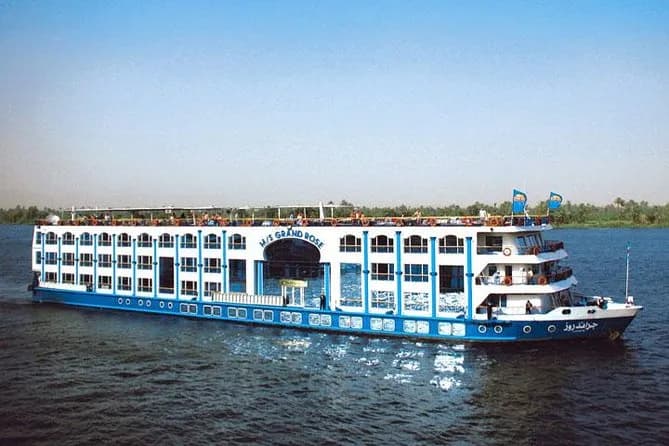
Budgeting well is also about knowing where not to skimp. A licensed guide at the Pyramids or in the Valley of the Kings turns stones into stories and is worth the modest extra. A reputable, well-reviewed Nile cruise boat is worth more than the cheapest option, since a bad boat can spoil days. And a hot air balloon over Luxor, though not cheap at around 5,400 EGP, is a once-in-a-lifetime morning that few regret. Save on the everyday, spend on the unforgettable.
A sample five-day budget trip
Here is what a lean but full five days can look like for one person, mixing Cairo icons with a Red Sea break.
| Item | Cost (EGP) |
|---|---|
| 4 nights hostel / guesthouse | 1,600 |
| Pyramids tour with camel and lunch | 493 |
| Dahshur, Memphis and Saqqara half-day | 740 |
| Grand Egyptian Museum ticket | 1,450 |
| Red Sea activity (quad safari) | 669 |
| Food, 5 days at ~250/day | 1,250 |
| Local transport, 5 days | 600 |
| Cairo-Hurghada budget flight (est.) | 1,800 |
| Water, tea, tips | 400 |
| Total | ~9,000 EGP (~180 USD) |
That is five days including the Pyramids, the world's newest great museum, a desert safari, and a Red Sea day, for under 200 US dollars beyond your international flight. Trim the domestic flight and museum and you are near 100 US dollars.
The bottom line
Egypt rewards budget travellers more than almost any major destination. The cheapest well-rated experiences, including the Pyramids themselves, start under 500 to 800 EGP, roughly 10 to 17 US dollars, especially on the Red Sea. Book group tours, buy tickets separately, compare platforms, eat local, travel in the shoulder or low season, and you can see the best of Egypt for a fraction of what most visitors assume it costs. Search all Egypt experiences to compare live prices and find your own cheapest great day.
Egypt cost & budget guides
For the complete picture, start with How much does an Egypt trip cost?. More cost angles:
- How much does an Egypt trip cost? — the full 2026 breakdown — flights, hotels, food, tours
- How much does an Egypt tour cost? — guided-tour and package pricing
- Egypt tour prices by city — Cairo, Luxor, Aswan and the Red Sea compared
- Egypt tour prices by activity — diving, Nile cruises, day trips, balloon rides
- Is Egypt expensive? — the honest answer, with daily budgets
- Egypt budget itinerary — a day-by-day low-cost plan
A real team available 24/7 to assist you — free
Seif and the team reply on WhatsApp 24/7 — trip questions, custom plans and booking help.
Ask Seif on WhatsAppCommon questions
What is the cheapest way to see the Pyramids of Giza?
The cheapest well-rated option is a group Pyramids, Sphinx, camel ride and lunch tour from about 493 EGP (roughly 10 USD) per person, rated 4.7 across more than 1,200 reviews. Buying the plateau entry ticket yourself (around 700 EGP for foreign adults in 2026) and skipping a private guide keeps it even lower.
How much does a budget day in Egypt cost?
A lean but comfortable day runs roughly 1,000 to 1,900 EGP (about 20 to 38 USD) for one person, covering a hostel or cheap guesthouse, three local meals, local transport, and one paid site or activity. Backpackers in dorms eating street food can get by on around 30 USD a day.
Is Egypt cheap to visit?
For experiences, yes, it is one of the best-value destinations in the world. The cheapest well-rated tours, including the Pyramids, start under 500 to 800 EGP (about 10 to 17 USD), especially on the Red Sea, where parasailing, quad safaris and horse riding are all cheap and highly rated. Food, transport and hostels are all inexpensive too.
What are the cheapest things to do in Egypt?
Red Sea activities in Sharm El Sheikh and Hurghada dominate the cheap end: a Sharm city tour from 557 EGP, an ATV safari from 669 EGP, parasailing from 693 EGP, and beach and desert horse riding from 812 EGP. The Pyramids with a camel ride and lunch, from 493 EGP, is the cheapest great experience overall. Wandering Islamic Cairo, the bazaars, and Nile corniches costs nothing.
What does street food cost in Egypt?
Egyptian street food is very cheap: a taameya (falafel) sandwich is about 15 to 25 EGP, ful medames 15 to 30 EGP, and a big bowl of koshari 30 to 75 EGP. A full sit-down ful-and-taameya breakfast for two runs 60 to 120 EGP. Prices climb 15 to 45 percent in tourist zones, so eat a street or two back from the main sights.
How do I get around Egypt cheaply?
The Cairo Metro costs roughly 10 to 20 EGP a ride, microbuses just a few pounds, and Uber or Careem are cheap and remove haggling. For city-to-city travel, standard air-conditioned first or second class trains used by locals are far better value than the tourist sleeper train, which costs over 90 USD one way.
When is the cheapest time to visit Egypt?
Summer, roughly June through August, is cheapest, with hotel and activity prices down 30 to 50 percent and flights at their annual low, though Upper Egypt heat can top 40C. For a balance of low prices and manageable weather, aim for the shoulder season: late September, October, November, March and April.
How do I save money on Egypt tours?
Book group rather than private tours, buy attraction tickets separately where a guide adds little, fill Red Sea days with cheap high-rated activities, compare the same tour across platforms (prices vary a median 41 percent), travel in the shoulder or low season, and eat local street food. Spend your savings on the few unforgettable extras like a licensed guide or a Luxor balloon ride.
Book it on This is Egypt
Turn this guide into a trip



Egypt's bestsellers
The experiences travelers book most, across the country





Keep reading
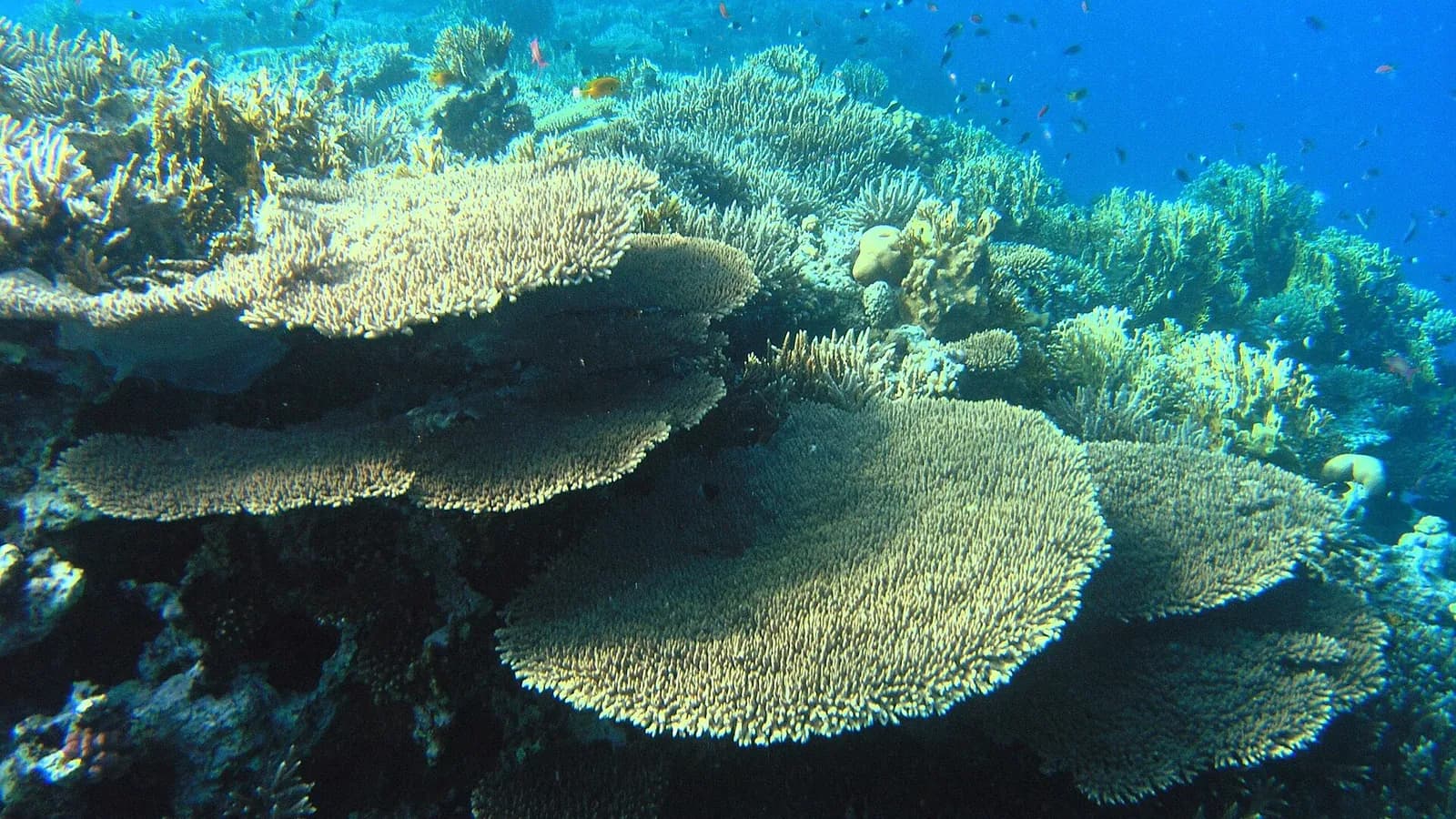
Hurghada Diving (2026): Best Sites, Packages & Prices
Diving in Hurghada — the best reefs (Giftun, Careless Reef, Dolphin House) and Abu Nuhas wrecks, Discover Scuba vs PADI courses, season and water temps, and real 2026 prices.
By TiE Editors7 min read
Hurghada Snorkeling Trips (2026): Best Reefs, Prices & How to Choose
Where to snorkel from Hurghada in 2026 — Orange Bay, Giftun, Mahmya, Utopia and Dolphin House — with boat types, marine life, month-by-month sea temperatures, family tips and real prices from 1,000+ bookable trips.
By TiE Editors7 min read
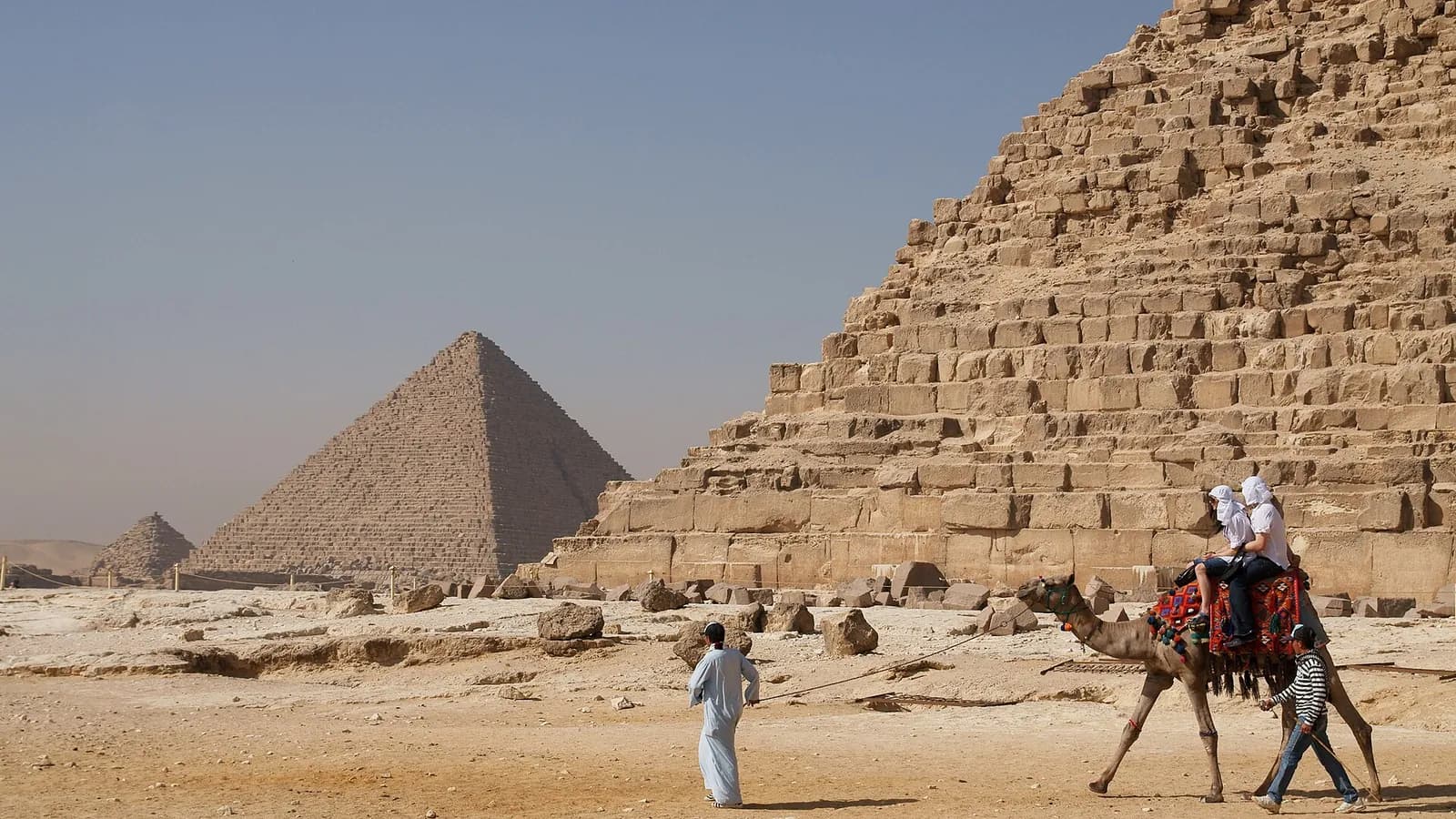
Egypt Tour Prices by Activity (2026): What Each Type Really Costs
What every type of Egypt experience costs — half day, full day or overnight — as a median and a mid-half range in US dollars, from 12,370 live bookable listings.
By TiE Editors6 min read