Egypt Photography Tours: Capture Ancient Wonders in Light
Book photography-friendly tours to Giza, Luxor, Aswan and the White Desert, timed for sunrise and sunset light and led by guides who know the best vantage points.
19 expériences

Visites à pied authentiques et photographie haut de gamme en privé au Caire

Giza Pyramids Photo Tour with Jumping Horse, Camel & Local Crafts

Private Egypt Tours: Giza Pyramids & Photography Experience

Luxor Photography Tour

Half-Day Giza Pyramids Tour with Prof Photography&Historian Guide

Demi-journée aux Pyramides de Gizeh et au Sphinx avec un photographe de talent

Soirée VIP du Caire à Gizeh : Dîner bédouin, Live Show & Photographe

Half photography Day Tour Giza Pyramids with Lunch & Camel Ride

Visite photographique de Louxor

VIP : pyramides de Gizeh, Grand Musée égyptien et photographe

Giza Pyramids Sphinx Camel Ride Lunch with Camera Photographer

Private Old Cairo Photography Tour: Mosques, Souqs and Palaces

Private Photography tour to famous Islamic attractions of Cairo

Private Tour to Pyramids with Professional Photographer

Private Tour Giza Pyramids Sphinx with Professional Photographer

Private Cairo Photography Tours

Expérience en montgolfière avec photographie personnalisée

Balloon Experience with Personalized Photography

Luxor VIP Balloon Experience with Personalized Photography
Egypt rewards photographers more generously than almost anywhere on earth: raking desert light, 3,000-year-old carved stone, and a Nile that turns copper at dusk. A dedicated photography tour buys you two things a normal sightseeing bus cannot — timing and access. Early-entry slots at Giza and Karnak get you past the crowds before the light turns flat and hazy, and a guide who shoots (or has led shooters for years) knows exactly where to stand for the shot everyone else misses.
Giza, the Sphinx and the desert panorama
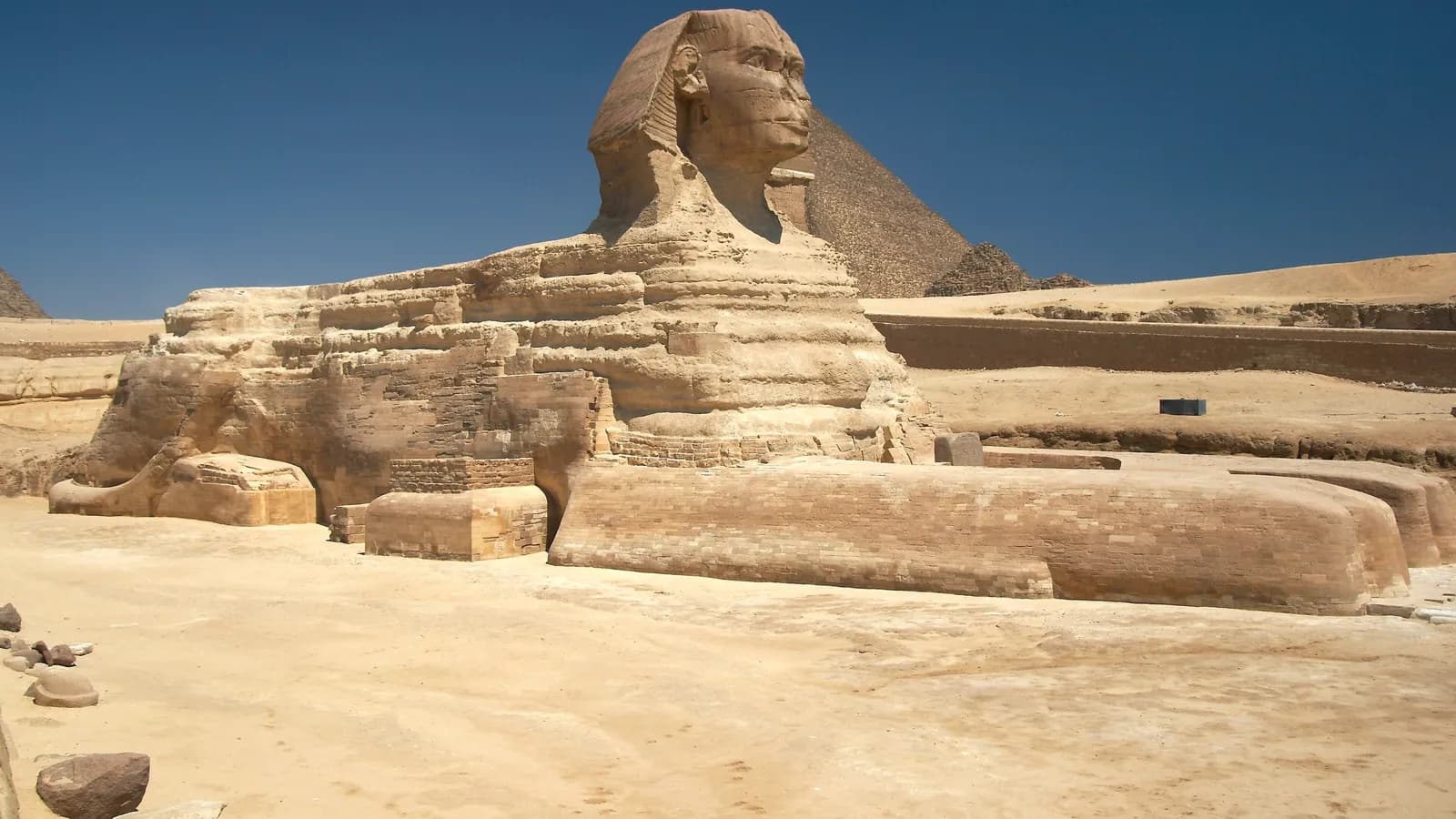
The Pyramids of Giza are best photographed at golden hour, either at opening (roughly sunrise) when the stone glows warm and the site is emptiest, or in the last hour before sunset. The panorama point on the plateau's southern ridge gives you all three pyramids in one frame with camels or horses for scale — a classic composition worth the short detour. The Sphinx faces east, so morning light hits it directly; afternoon shooters should work from the side or silhouette it against the pyramids behind.
Luxor and Karnak: columns, shadow and scale
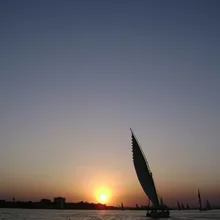
Karnak Temple's hypostyle hall, with its forest of towering columns, is a study in shadow and repetition — arrive at opening for shafts of low light between the pillars. Across the river, the Colossi of Memnon and the temples of the West Bank suit late afternoon light, while a Nile felucca at sunset, sails lit orange against the water, is one of the most photographed scenes in Egypt for good reason. Luxor's temple, illuminated at night, is worth a second visit after dark for a completely different frame.
Abu Simbel and the White Desert
Abu Simbel's colossal facade faces east and is most dramatic in the first hour after sunrise, before tour buses arrive in force. Further west, the White Desert's wind-carved chalk formations turn from white to gold to pink over the course of a single sunset, and camping overnight there opens up star-trail and Milky Way shots impossible near city light pollution.
Aswan and Nubian colour
Aswan's Nubian villages, painted in bright blues, yellows and pinks, are a change of pace from temple stone — plan a visit for street and portrait photography, ideally with a local guide who can make introductions respectfully. The Nile itself, dotted with feluccas and framed by granite boulders and Elephantine Island, photographs well through most of the day.
Cairo street photography
Islamic Cairo and Khan el-Khalili offer dense, chaotic, wonderful street photography — spice stacks, lantern-lit alleys, artisans at work. Midday light is harsh in the open souk lanes, so early morning or the couple of hours before sunset work best. For a fuller list of stops, see our guide to things to do in Cairo.
Gear, drones and practical tips
A lightweight zoom (roughly 24-70mm) covers most temple and street work; a wider lens helps in tight hypostyle halls, and a longer lens is useful for desert wildlife and candid portraits. A sturdy but compact tripod suits low-light interiors and night shots, though rules vary by site and are often enforced inconsistently, so check ahead and ask on arrival. Drones are heavily restricted in Egypt and flying one without prior permits can mean confiscation — read our Egypt photography and drone rules guide before you pack one. The best overall season for photography is October to April, when haze is lower and the harsh midday sun is easier to work around; a photography-focused tour will build your day around the light rather than a generic bus schedule, moving you between sites during the golden hours and holding back on the least photogenic midday stretch.
Questions fréquentes
Can I bring a drone to Egypt for photography?
Drones face heavy restrictions in Egypt. Flying one without the correct permits, arranged in advance, risks confiscation at the airport or on-site. Check current rules before you travel and never assume a tour includes drone permissions.
What's the best time of day for photos at the Pyramids and other sites?
Golden hour, just after sunrise or in the last hour before sunset, gives the warmest light and thinnest crowds. Giza opens early and the Sphinx faces east, so mornings favor a direct-light shot while afternoons suit silhouettes.
Are tripods allowed at the Pyramids, Karnak and other monuments?
Tripod rules vary by site and are enforced inconsistently. Some sites allow small tripods for stills, others restrict them or require an extra fee for professional-looking gear. Ask your guide or site staff on arrival rather than assuming.
Which are the best photography spots in Egypt?
Top picks include the Giza panorama point for all three pyramids in one frame, Karnak's hypostyle hall for columns and shadow, a Nile felucca at sunset near Luxor or Aswan, Abu Simbel at sunrise, the White Desert's chalk formations, and the Nubian villages around Aswan for colour.
Do museums and temples charge an extra fee for cameras?
Many Egyptian sites and museums charge a separate photography ticket on top of general admission, and some restrict flash or require an additional fee for tripods or professional equipment. Fees and rules change, so budget a little extra and confirm at the ticket window.
Any tips for shooting golden hour in Egypt?
Arrive before the gates officially open where possible so you're in position when the light turns, shoot toward the sun for silhouettes and away from it for warm, direct light on stone, and expect the best window to last only 20-30 minutes as the desert sun rises and sets quickly.