9月17日周四 · 下午1:00Art & Exhibitions
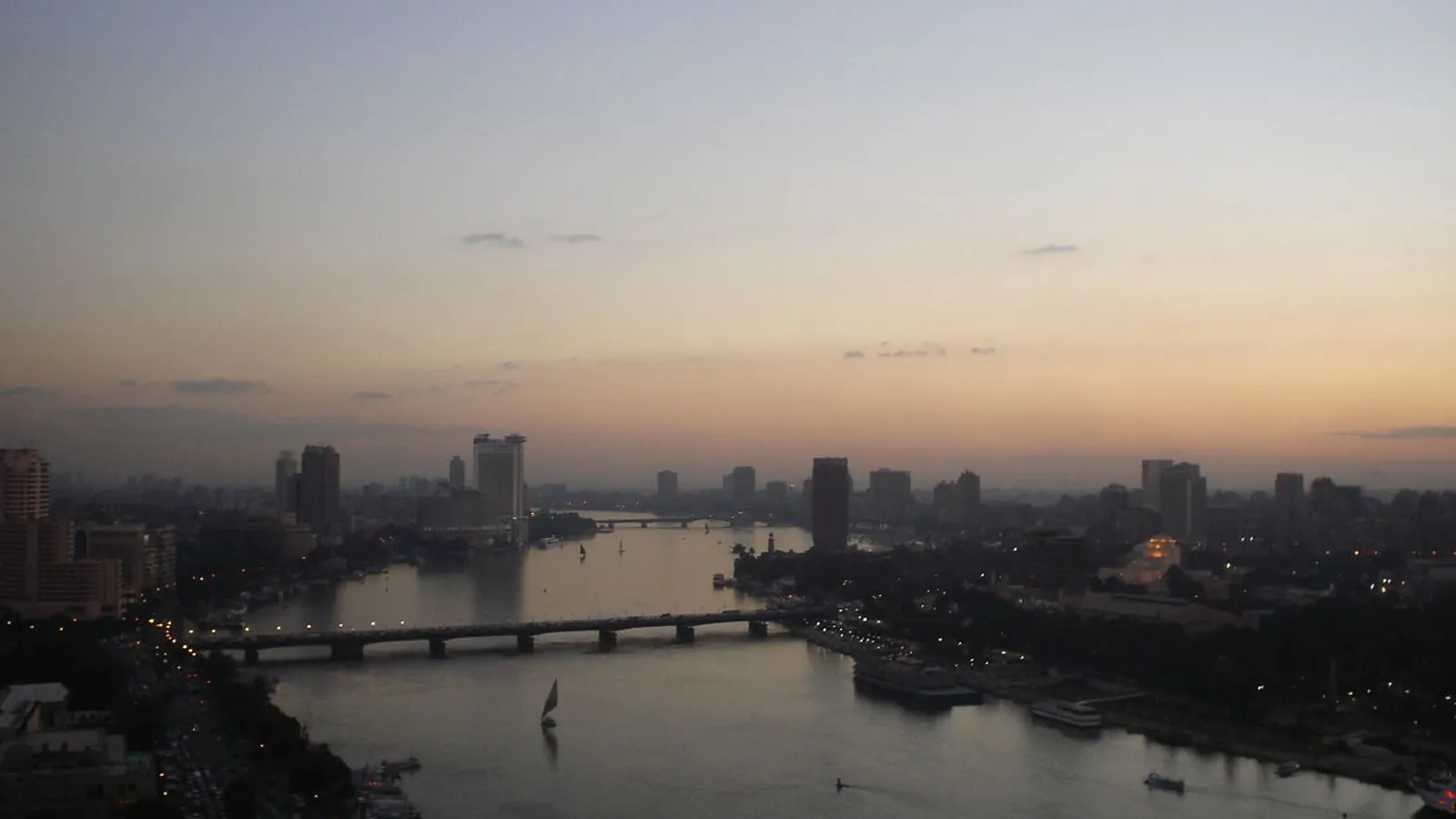
Egypt Press Photo Exhibition
Tahrir Cultural Center (AUC) · Downtown (Wust El Balad)
Helwa Ya Baladi
Dalida


2026年10月7日星期三 · 下午1:00
Tahrir Cultural Center (AUC) · Downtown (Wust El Balad)
Join Dilyara Agisheva , adjunct faculty member in the Department of History at The American University in Cairo and research fellow at Max-Weber-Kolleg at the University of Erfurt, for a talk on how Russian imperial rule was constructed in Crimea between 1783 and 1850. Russia’s annexation of Crimea in 1783 brought a predominantly Muslim territory, formerly connected to the Ottoman Empire, under the authority of an expanding empire. Although Catherine II promised to protect the religion, property, and institutions of her new subjects, annexation raised a fundamental problem: how would the Russian Empire govern a Muslim population whose courts, property relations, documentary practices, and religious authorities had developed within an Islamic legal and political order? This talk examines how Russian imperial rule was constructed in Crimea between 1783 and 1850. It asks how the empire defined the place of Islam within its legal and administrative order, how it reorganized Muslim institutions, and how Crimean Muslims responded to and participated in these transformations. It argues that Russian rule did not emerge through the straightforward replacement of Islamic law by imperial law. Instead, the state selectively preserved, at times restricted, and primarily bureaucratized existing Islamic institutions. In doing so, it transformed Islam into both an officially recognized religion and a category of imperial governance. Yet this process was not directed exclusively from the imperial center. Muslim judges, muftis, landowners, petitioners, translators, and local intermediaries shaped how Russian policies operated in practice. The presentation draws on the 1783 Manifesto of Annexation, Crimean oaths of allegiance, sharia court registers, imperial decrees, petitions, land-commission records, cadastral surveys, regulations governing Muslim religious institutions, and senatorial investigations. These sources reveal how questions of jurisdiction, property, documentary proof, religious authority, and political loyalty became intertwined during the incorporation of Crimea into the empire. Crimea therefore offers a particularly revealing vantage point from which to examine the making of Russian imperial rule. The presentation demonstrates that the empire was produced not only through conquest and legislation, but through prolonged negotiations over institutions, documents, property, and belonging.
Tahrir Cultural Center (AUC) · Downtown (Wust El Balad)