

Liveaboard vs Day-Boat Diving in the Red Sea (2026): Which to Choose
A liveaboard reaches the remote reefs and wrecks day boats can't — the Brothers, Daedalus, deep-south Egypt — but a day boat is cheaper, flexible and beginner-friendly. Here's the honest choice.
Quick answer: Choose a liveaboard if you're a certified, reasonably experienced diver who wants the remote offshore sites day boats can't reach — the Brothers, Daedalus, Elphinstone, the deep-south reefs and the best wrecks — and you want to dive four to five times a day for a week. Choose a day boat if you're a beginner or newly certified, want flexibility (dive when you like, sightsee on off days), are travelling with non-divers, or want the cheaper, lower-commitment option. Liveaboards reach more; day boats ask less of you.
Both are how you dive the Egyptian Red Sea, and they suit genuinely different divers. Here's the honest comparison.
At a glance
| Liveaboard | Day boat | |
|---|---|---|
| Access | Remote offshore reefs & wrecks | Sites within ~1–2 hrs of port |
| Dives per day | 4–5 (incl. night dives) | 2 (occasionally 3) |
| Trip length | Usually 7 nights | One day, repeatable |
| Level | Certified, some experience | All levels, incl. beginners |
| Cost | Higher, all-in for the week | Lower, pay per day |
| Non-divers | Not really | Fine — they sightsee on off days |
| Best for | Serious diving weeks | First trips, flexibility, mixed groups |
What a liveaboard gets you
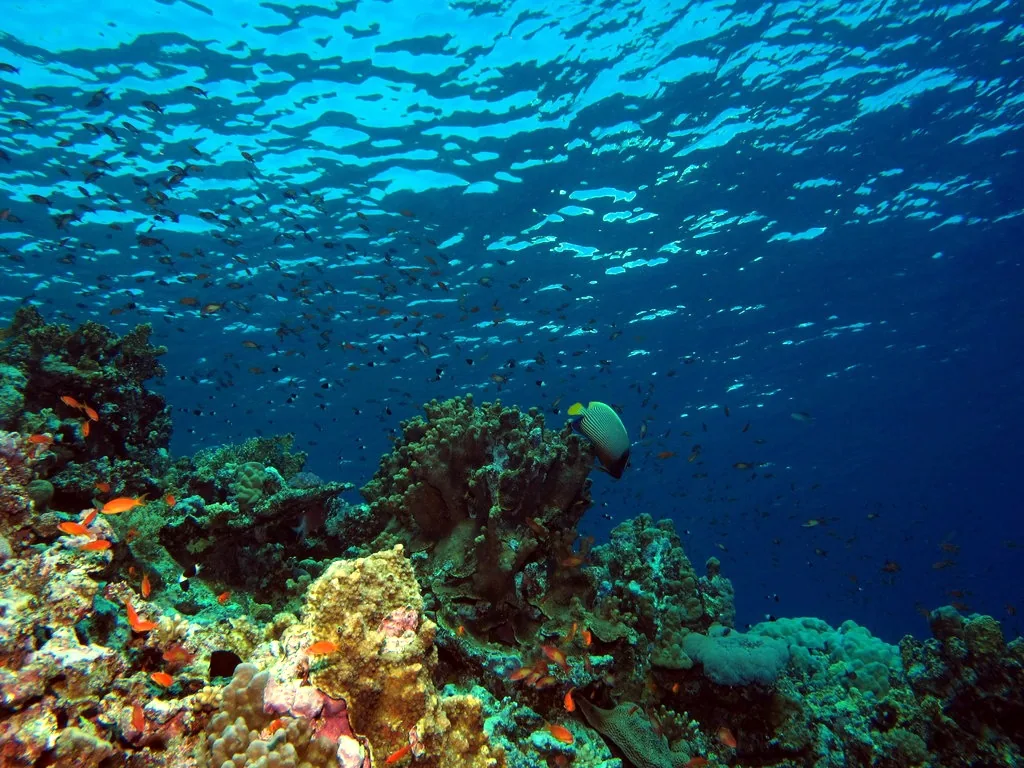
A liveaboard is a dive boat you live on for (usually) a week, sailing out to sites too far from shore for a day trip. That's the whole point: the Brothers Islands, Daedalus and Elphinstone in the south, the St John's and Fury Shoal deep-south reefs, and the classic wreck-and-reef northern route (the SS Thistlegorm, Abu Nuhas, Ras Mohammed). You dive four to five times a day, including night dives, and you wake up already moored at the next site. For a certified diver chasing sharks, walls and wrecks, nothing else compares. Routes are seasonal — the Brothers/Daedalus/Elphinstone ("BDE") southern routes run spring to autumn; the northern wreck route runs closer to year-round.
What a day boat gets you
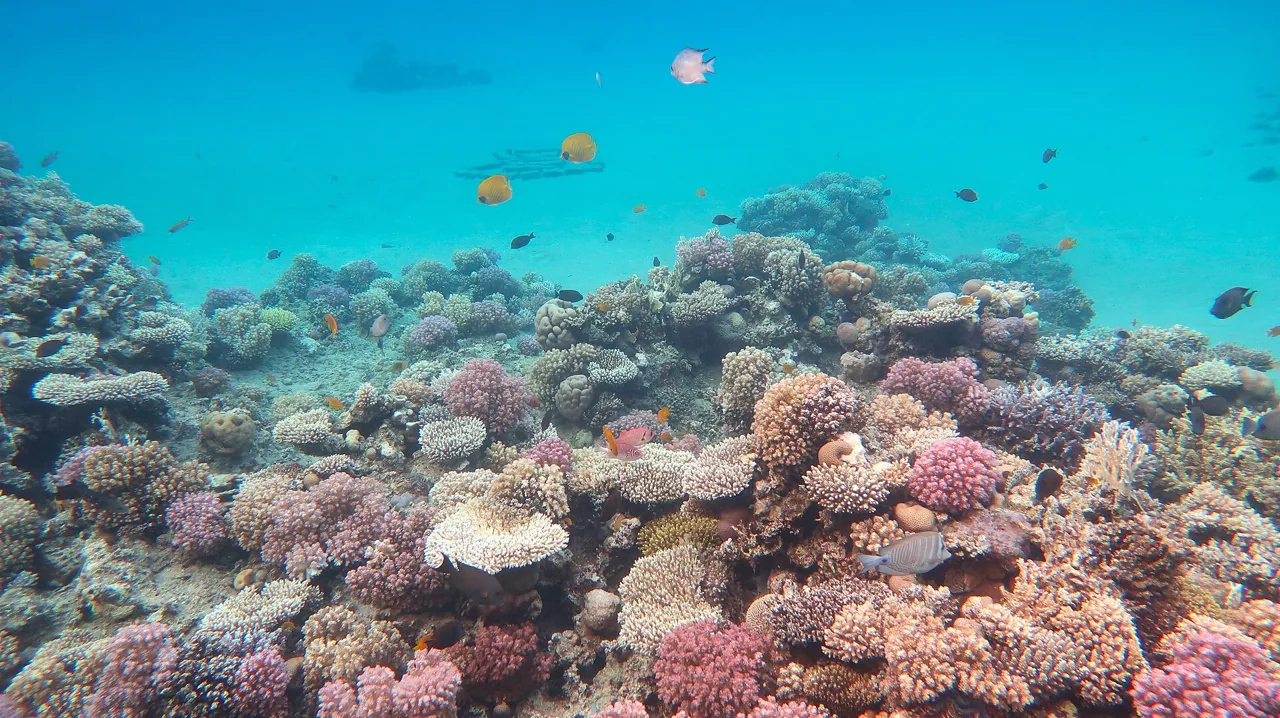
A day boat runs from a port — Hurghada, Sharm, Marsa Alam — to sites within an hour or two, two dives and lunch, back by late afternoon. It's the flexible, lower-commitment choice: dive the days you want, take a day off, bring a non-diving partner who'll happily sightsee or beach while you dive. It's also where you learn — every Open Water course and Discover Scuba runs from day boats and house reefs. You won't reach the far offshore sites, but Hurghada's Giftun reefs, Sharm's Tiran and Ras Mohammed, and Marsa Alam's Elphinstone (on a long day) are all day-boat range.
Cost and commitment, compared
The two models ask for very different things from your wallet and your week. A liveaboard is a single up-front sum for the whole week — boat, cabin, all meals, tanks, weights and typically four to five guided dives a day — which works out efficient per dive, but it's a lot of diving to commit to and a week at sea with no off switch. A day boat is pay-as-you-go: you buy dives a day or a package at a time, so a couple can dive three days and rest two, a family can mix diving with beach and desert trips, and you're never locked into more diving than you want. For a pure dive-maximiser the liveaboard is better value per dive; for anyone balancing diving against the rest of a holiday, the day boat's flexibility is worth more than the per-dive maths. Factor in seasickness too: a week on a liveaboard in open water suits sea-legs that a two-hour day-boat run never tests, so if you're unsure, a few day trips first will tell you whether a liveaboard week is for you.
Which should you choose?
- Choose a liveaboard if: you're certified with some logged dives, you want the remote sites and maximum diving, you're comfortable being at sea for a week, and diving is the trip's whole purpose.
- Choose a day boat if: you're a beginner or newly certified, you want flexibility and off days, you're travelling with non-divers, you want to keep costs and commitment lower, or you're learning to dive.
A useful rule of thumb: your first Red Sea trip is almost always better as a day-boat trip, and your first liveaboard is best saved until you have a couple of dozen logged dives and know you love it. Many divers do both over time — day boats to build experience and certifications, then a liveaboard once they're ready for the offshore sites. If you're not yet certified, start with a day boat and a course: see the best centres in Hurghada, Sharm and Dahab, read the Red Sea liveaboard guide for routes, and browse dive trips on This is Egypt.

Parla con una persona reale — gratis
Seif e il team rispondono su WhatsApp 24/7 — domande di viaggio, piani su misura e aiuto per la prenotazione.
Chiedi a Seif su WhatsAppDomande frequenti
Is a liveaboard or a day boat better for diving the Red Sea?
Neither is universally better. A liveaboard reaches the remote offshore reefs and wrecks (the Brothers, Daedalus, Elphinstone, deep south) and offers four to five dives a day for a week, best for certified, experienced divers. A day boat is cheaper, flexible and beginner-friendly but limited to sites within an hour or two of port.
Do you need to be experienced for a Red Sea liveaboard?
For most routes, yes — you should be certified with some logged dives, as sites can be deep, current-swept and far from shore. The southern Brothers/Daedalus/Elphinstone routes in particular suit experienced divers. Beginners are better served by day boats and courses first.
How many dives do you get on a liveaboard vs a day boat?
A liveaboard typically offers four to five dives a day including night dives, over a week. A day boat runs two dives (occasionally three) and returns to port the same day. Liveaboards simply pack in far more diving.
Is a liveaboard worth it in the Red Sea?
For a certified diver who wants the remote sites — the Brothers, Daedalus, the best wrecks and deep-south reefs — a liveaboard is the only way to reach them and is well worth it. For beginners, non-divers or those wanting flexibility and lower cost, a day boat makes more sense.
Can beginners do a Red Sea liveaboard?
Some easier northern wreck-and-reef routes accept newly certified divers, but most liveaboards, especially the southern routes, expect experience. Beginners are usually better off diving from day boats and building logged dives first, then joining a liveaboard once ready.
Which Red Sea sites need a liveaboard?
The far offshore ones: the Brothers Islands, Daedalus Reef, and the deep-south St John's and Fury Shoal reefs are effectively liveaboard-only. Elphinstone and the Thistlegorm can be reached on long day trips, while most reefs off Hurghada, Sharm and Marsa Alam are comfortable day-boat range.
Prenotala su This is Egypt
Trasforma questa guida in un viaggio





I bestseller dell'Egitto
Le esperienze più prenotate in tutto il paese









Continua a leggere
Immersioni a Hurghada (2026): migliori siti, pacchetti e prezzi
Immersioni a Hurghada – i reef più belli (Giftun, Careless Reef, Dolphin House), battesimi vs corsi PADI, prezzi reali 2026 da oltre 160 escursioni e le giornate di immersione più apprezzate.
Di TiE Editors7 min di lettura
Immersioni a Sharm El Sheikh (2026): Ras Mohammed e i reef
Sharm è la capitale delle immersioni in Egitto, con Ras Mohammed e White Island a due passi. Le migliori escursioni di immersione e snorkeling, i prezzi reali e cosa possono fare anche i non subacquei.
Di TiE Editors9 min di lettura
Immersioni Subacquee e Apnea a Dahab: La Guida Completa
Dahab è uno dei posti più economici al mondo per ottenere un brevetto subacqueo. Ecco i siti di immersione accessibili da riva, i prezzi dei corsi, l'apnea, i migliori centri diving e il quadro onesto sulla sicurezza.
Di TiE Editors6 min di lettura